
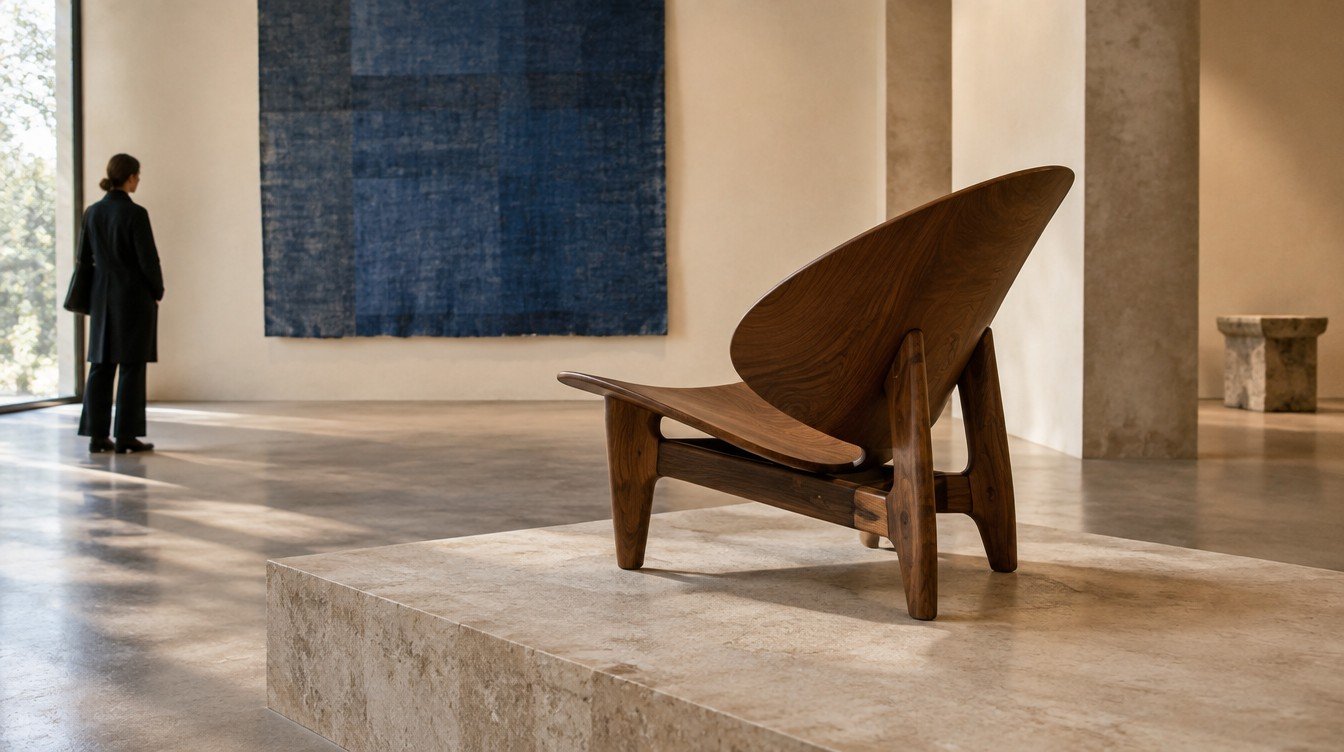
Collectible design invites a different kind of attention. A chair can hold the body and shape the atmosphere of a room. A lamp can illuminate a reading corner while revealing an artist’s approach to colour, proportion and material. These objects bring collecting into the spaces we use every day.
For a collector accustomed to paintings or sculpture, that combination raises an interesting question: what makes a functional object worth sustained attention? The answer involves more than an unusual silhouette or a prestigious name. It begins with the relationship between an idea, its making and the experience of living with it.
Part 01 · Understanding the category
What Is Collectible Design?
Collectible design is a broad collecting category that includes furniture, lighting and other designed objects valued for their authorship, historical importance, material expression or approach to function. It can encompass a unique studio-made table, a contemporary editioned lamp or a significant example of twentieth-century furniture.
There is no universal test that turns an object into collectible design. Some pieces are made in very small numbers; others were originally manufactured in larger quantities. An important production chair can have a place in a design collection alongside a one-off object. Rarity matters in context, but it cannot explain the quality of a design by itself.
Design Miami’s introduction to its marketplace describes a range of one-of-a-kind, limited-edition and small-batch works, including furniture, lighting and ceramics. That gives a useful picture of one part of the contemporary field. Historical design extends the conversation further, into questions of period, manufacturing and the way people once lived.
For the collector, the productive question is specific: what does this object contribute through its form, construction or place in a designer’s practice? A high price, a dramatic photograph or the word “exclusive” cannot answer that question.
Part 02 · A longer history
Furniture Has Always Carried Ideas
The relationship between furniture and artistic expression did not begin with contemporary design fairs. The Victoria and Albert Museum’s furniture collection spans more than six centuries. Looking across that history reveals how domestic objects can express technical invention, social habits and changing ideas about beauty.
A useful example is George Nakashima’s Conoid Lounge Chair, represented in The Metropolitan Museum of Art’s collection. The museum connects Nakashima’s work with Japanese folk traditions, Shaker furniture and modernism. The chair offers a way to consider how an individual practice can bring several influences into a coherent object.
This is a valuable habit for contemporary collecting too. Look beyond one memorable piece. Does the designer return to a particular material or structural problem? How has that investigation developed? A practice becomes easier to understand when you see several works together, including quieter examples that receive less attention online.
— Best Art Gallery editorial perspective
Part 03 · Looking closely
Read the Material, Then Look at How It Is Made
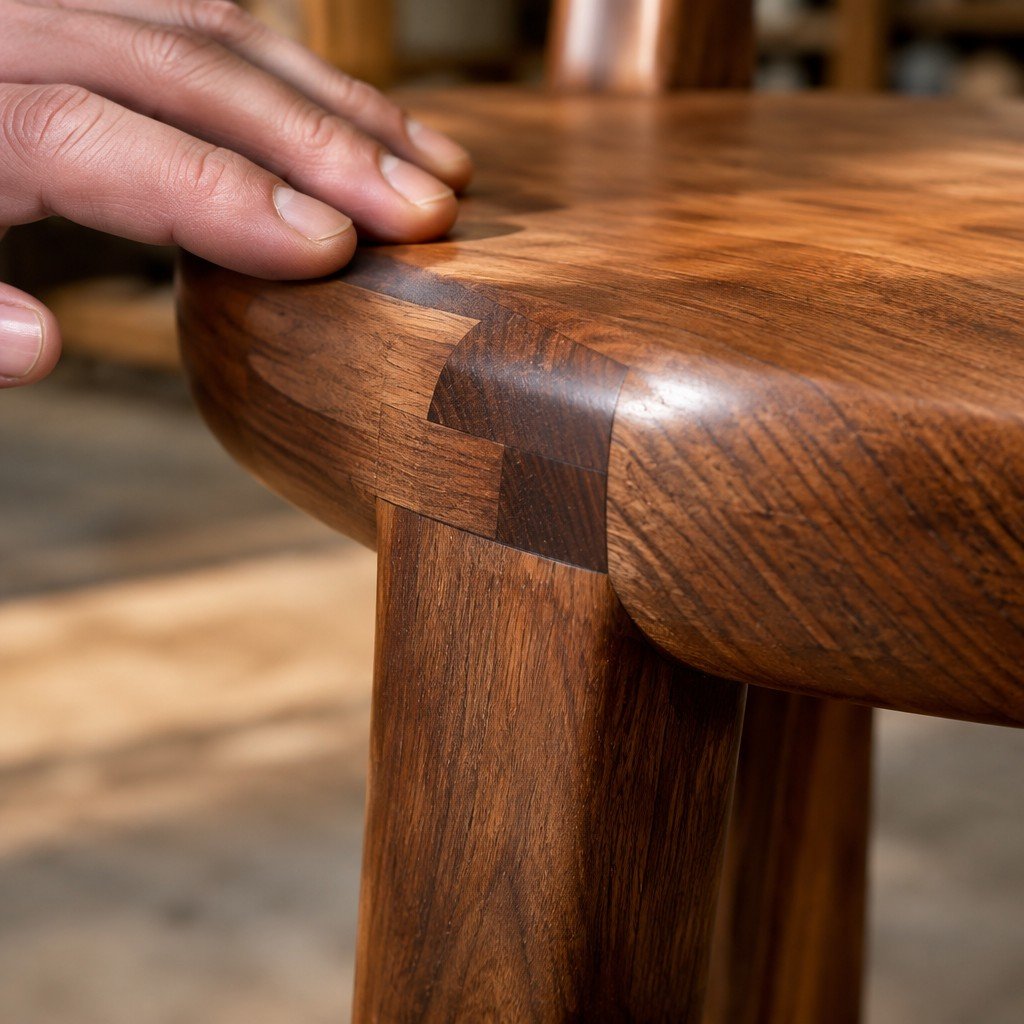
Begin with the overall form. Walk around the piece if you can. Notice where it feels heavy, where it opens into space, and how its outline changes from another angle. A photograph may emphasise the most theatrical view. The object should reward a slower encounter.
Then move closer. In a wooden chair, a joint can reveal how the structure carries weight. In cast metal, the surface may preserve evidence of a mould or finishing process. A ceramic lamp can make glaze variation part of its character. These details help explain how the idea became physical.
Expensive materials do not automatically make a design more thoughtful. A modest material can be used with remarkable intelligence. Equally, visible irregularity is not automatically evidence of craftsmanship. Ask which variations are intentional, which are inherent in the process and which may be condition concerns.
The maker’s explanation should deepen what you can see. When a description promises “exceptional craftsmanship,” ask for specifics: the construction method, the finish, the workshop and the choices that distinguish this object from another made in the same material.
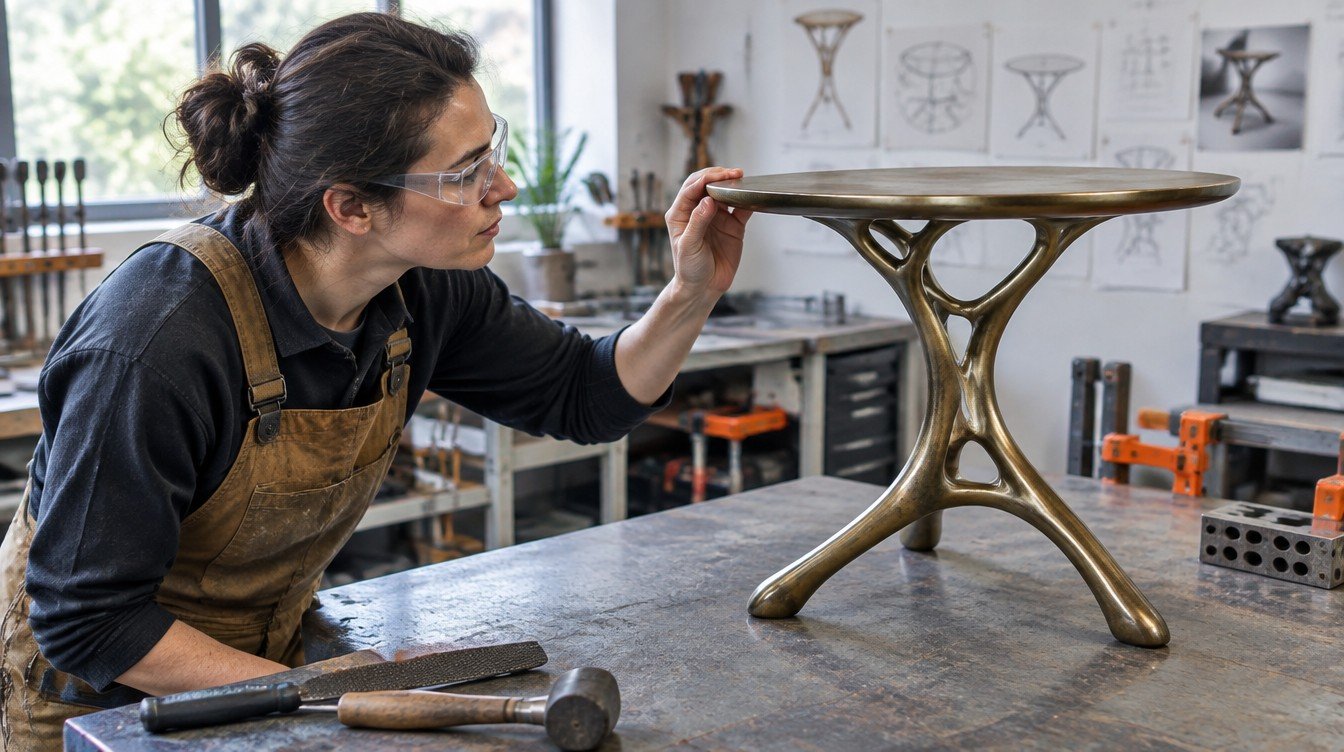
Authorship and fabrication deserve separate attention. A designer may develop the concept while a specialist workshop casts, carves or assembles it. Such collaboration can be central to the work. Ask who designed the piece, who fabricated it and how the designer participated in production. Understanding those roles gives a more accurate account than assuming every object was entirely made by one person’s hands.
Part 04 · Editions and identity
Understand Which Version You Are Looking At
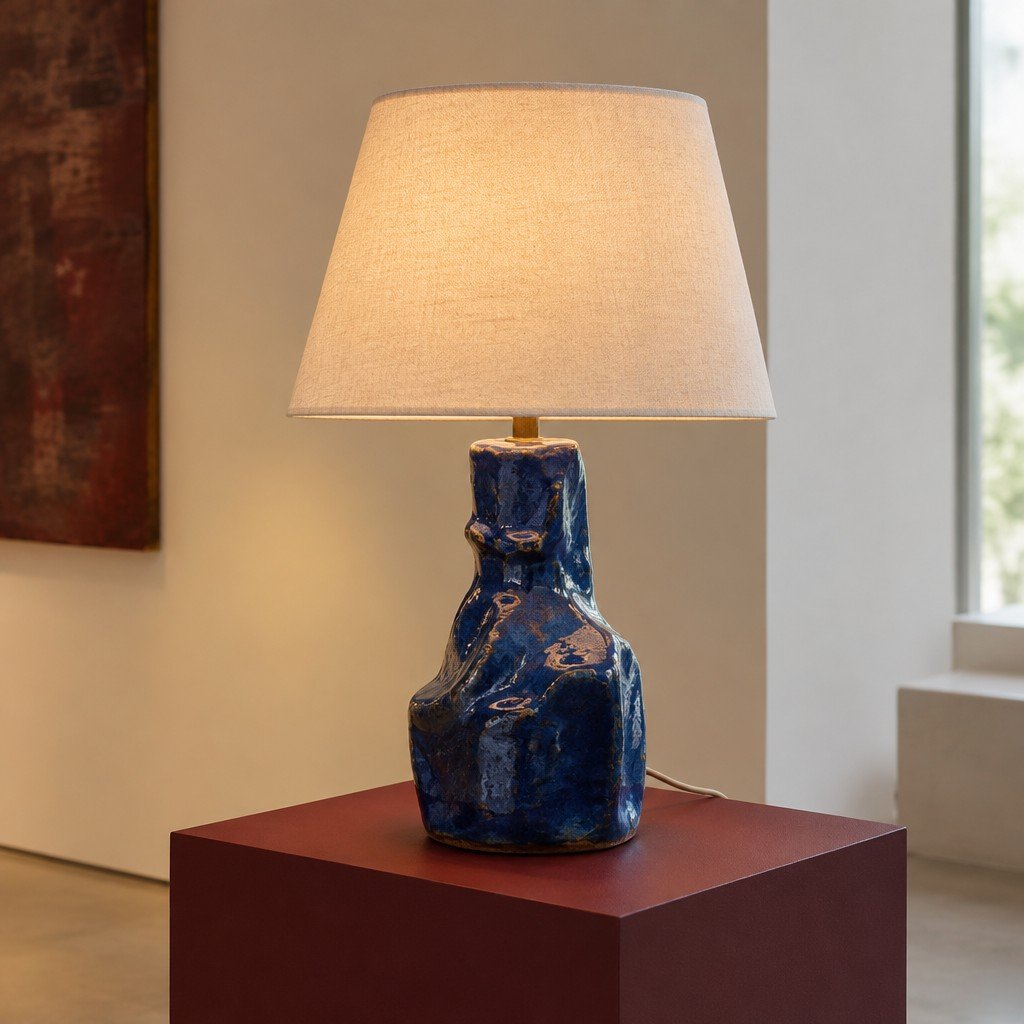
Two objects with the same design name may have very different histories. One could be an early production example, another an authorised contemporary reissue, and another a recent variation made in a different material. Each can deserve consideration, but the identity of the object needs to be clear.
For an editioned contemporary work, ask what the edition includes. Does the number apply to this material, this size or the design as a whole? Are there additional colourways, prototypes or proofs? Will the piece be made to order, and how much variation is expected between examples?
For historical furniture, ask how the date and manufacturer have been established. Labels, stamps, photographs, invoices and specialist research can help support an attribution. The word “vintage” alone establishes very little. Request information about replacement parts, refinishing and restoration, particularly when those changes affect the appearance or construction.
Keep the description, edition details and relevant records with the object. These documents support its identity and future care. They also make it easier to explain what you have collected without relying on a sales listing that may later disappear.
Part 05 · Function and experience
Decide How the Object Will Be Used
Function introduces a dimension that a wall-based artwork may not have. A chair asks about posture, comfort and support. A table meets the hand at a particular height. A lamp changes a room differently when switched on. These experiences belong to the design, so they deserve attention before the piece comes home.
Ask whether the object is intended for daily use, occasional use or primarily display. A chair-shaped sculpture may have a different purpose from a dining chair. If you wish to sit on a gallery piece, ask permission first and follow the gallery’s guidance. Photographs cannot establish comfort, stability or an appropriate load.
Consider the realities of your household. A delicate surface, sharp projection or fragile component may need a placement that avoids frequent contact. For older lighting, ask about the condition of the electrical components and arrange an assessment by a qualified professional before use.
Request care instructions for the specific materials and finishes. A coating, patina or glaze can be part of the intended appearance. Cleaning or refinishing it casually may change the work. When the instructions are unclear, seek advice from the maker, gallery or a suitable conservator.
Part 06 · Seeing in context
Use Design Fairs to Train Your Eye
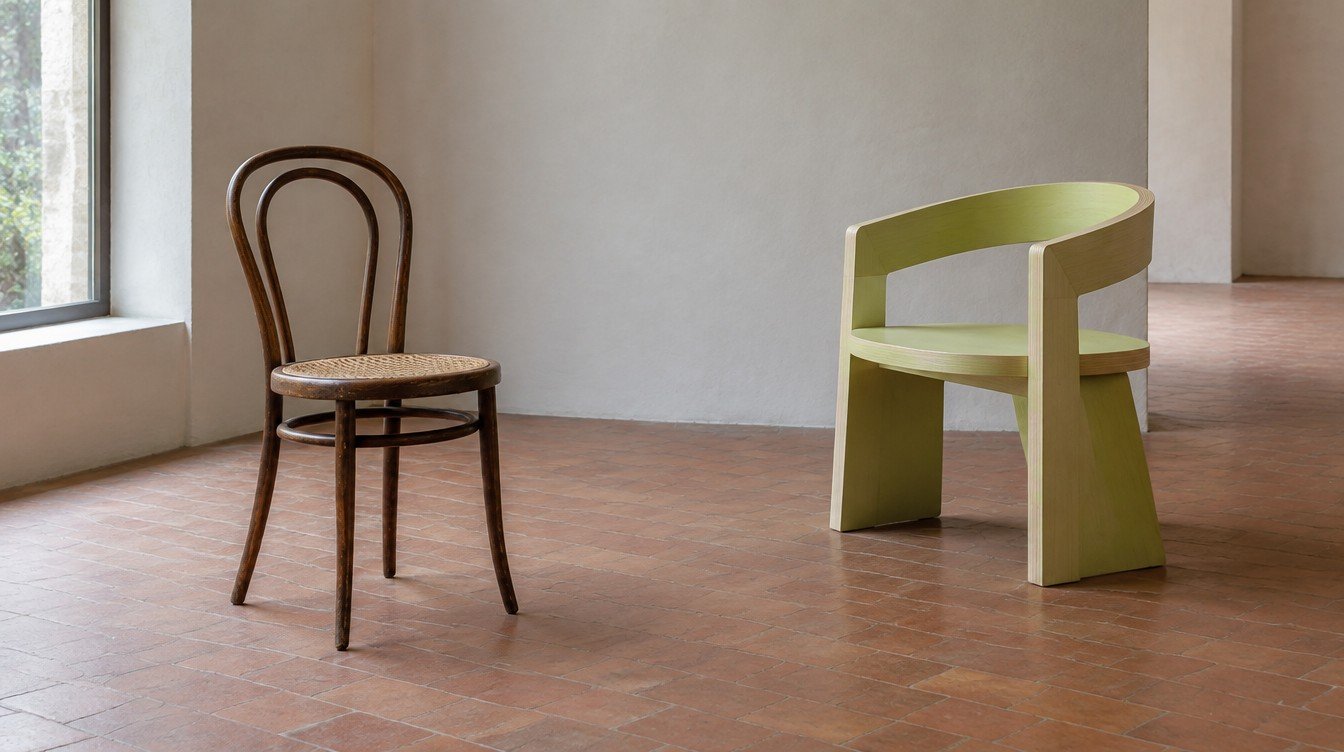
October 2026 offers a timely opportunity to explore this field. PAD London is scheduled for 13–18 October 2026 in Berkeley Square, Mayfair. Its presentation brings historical and contemporary design into the same setting, making it a useful place to compare approaches across periods.
A fair visit can be valuable even when you have no intention of buying that day. Choose a manageable question: how do three designers handle bronze, how do different chairs create support, or how does a light work when illuminated? A focused visit often teaches more than trying to remember every stand.
Ask galleries to explain the objects that hold your attention. Listen for concrete information about production, materials and the designer’s wider practice. Make notes after each conversation. Returning to those notes later helps distinguish a lasting interest from the energy of the event.
If you cannot visit a fair, compare museum collection records, gallery exhibitions and studio documentation. Look for views of the reverse, construction details and installations that show scale. Images can start an investigation; an in-person encounter, where possible, adds information they cannot supply.
Part 07 · Building a collection at home
Let One Object Create a New Conversation
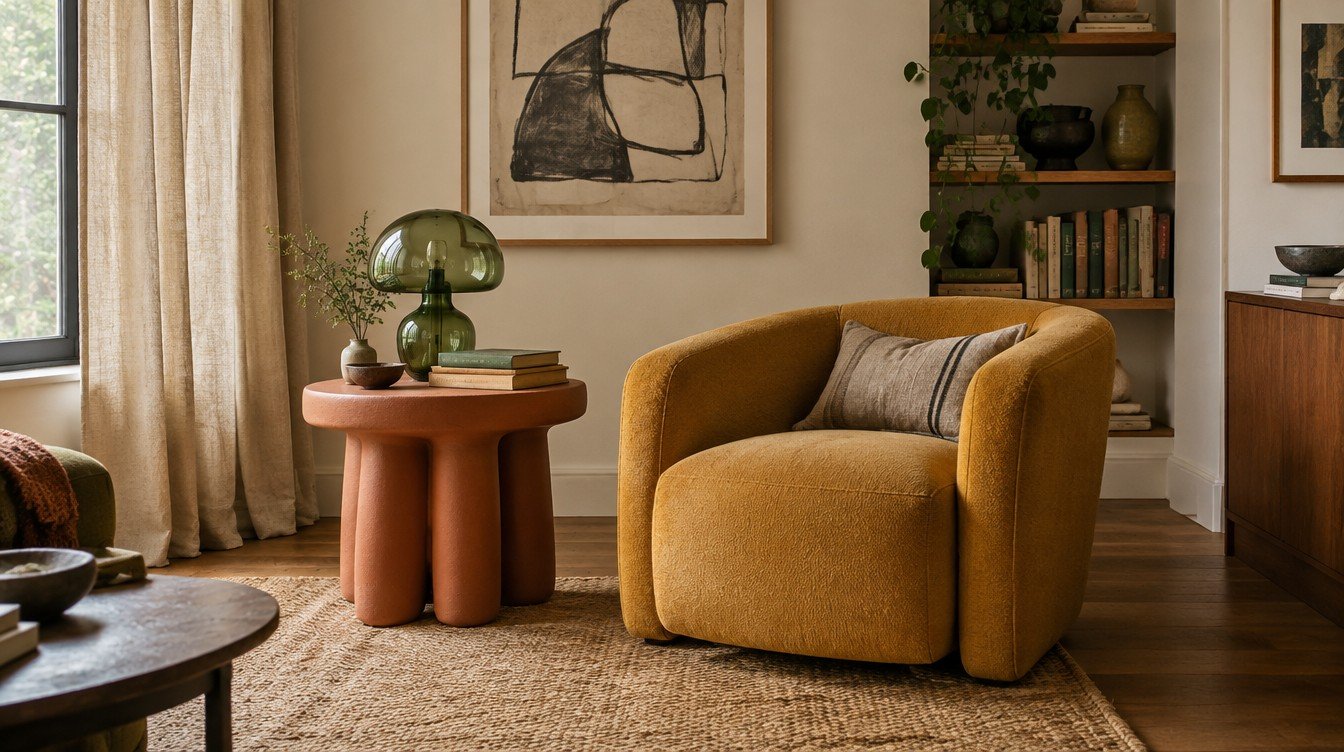
Collectible design can sit naturally beside paintings, drawings and sculpture. The connection need not be a matching colour. A table might echo the rhythm of a drawing; a lamp might introduce a softer material beside a hard-edged painting. Differences can make each work easier to see.
Give a distinctive object enough room. Check its full dimensions, circulation around it and the route through doors or stairs before delivery. A piece that looks compact on a fair stand may occupy a room very differently. Space around the object is part of how you experience its form.
For a first design acquisition, choose one area to explore with care. That might be studio ceramics, contemporary lighting or a particular period of furniture. You do not need to settle on a permanent collecting identity. You need a starting point that encourages comparison and further looking.
Plan the total cost, including packing, transport, installation and any specialist assessment. Our first-artwork buying guide covers the broader questions of seller records, payment and delivery. Here, the additional task is to understand how a designed object will work in your life.
Collectible design carries no automatic promise of financial return. Its immediate reward is more personal: an encounter with form and making that continues through ordinary use. A considered acquisition can change how you notice the objects already around you.
Discover how artists develop ideas through materials, surfaces and form. Explore the individual practices featured at Best Art Gallery.
Frequently Asked Questions
What makes furniture collectible?
Collectors may value a piece for its design, authorship, historical significance, construction or relationship to a wider practice. Condition and documented identity also matter. A high price or a small production run alone does not establish its quality.
Does collectible design have to be a one-off?
No. The field includes unique objects, limited editions and historically significant production designs. Ask what was produced, in which versions and by whom, so you can understand the particular example being offered.
Can I use collectible furniture every day?
Some pieces are intended for regular use; others need more careful handling or are primarily for display. Confirm the intended use and care requirements with the maker or seller. Assess whether those requirements fit your household.
Is an authorised reissue the same as a vintage original?
They have different production dates and histories. An authorised reissue can be a legitimate contemporary version of a design, but it should be described clearly. For a historical example, ask for evidence supporting its period, manufacturer and condition.
Where should a new design collector begin?
Start with a material, designer or type of object that interests you. Compare several examples, study museum and gallery records, and view pieces in person when possible. Set a comfortable total budget and choose something you would enjoy living with without depending on resale.
Collectible Design
Art Collecting
Furniture as Art
Craftsmanship
Images are AI-generated editorial illustrations of imagined objects and settings; they do not depict the named designers, museums or fair exhibits. Event information checked on 3 October 2026.
