Archives

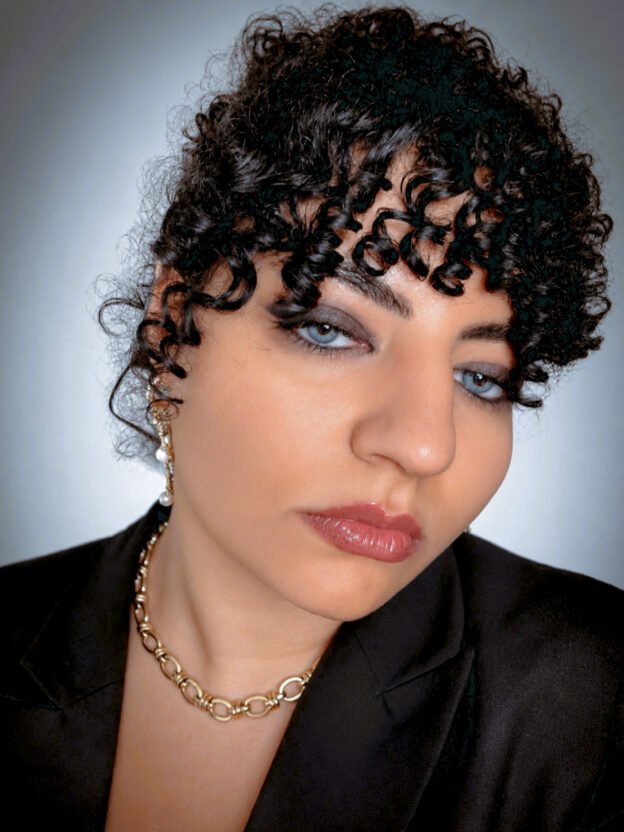
Florencia Noeli Tolstoy — Emotional Abstraction, Resilience, and the Psychology of Human Experience

Florencia Noeli Tolstoy
Practice & Vision

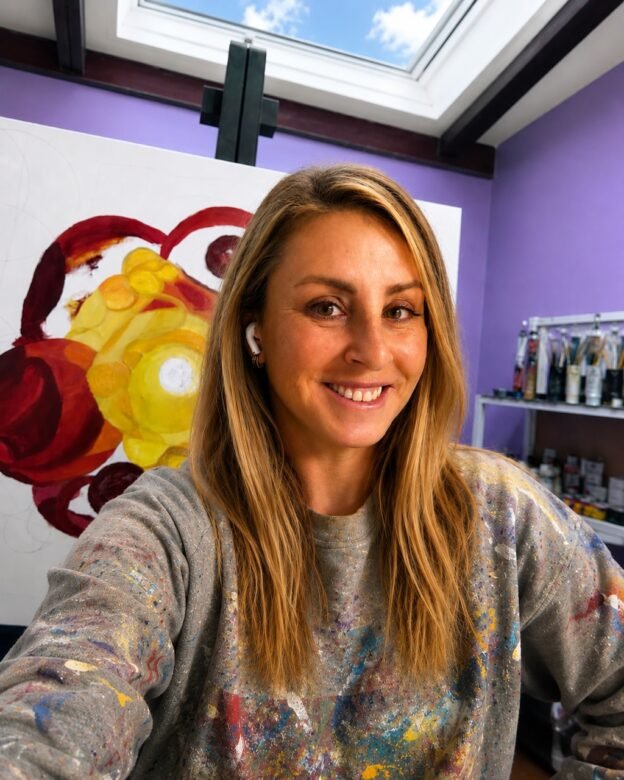
Florencia Noeli Tolstoy is an abstract artist whose work explores emotional resilience, psychological tension, and personal transformation. Through minimalist abstraction, she creates visual spaces where emotions become visible, inviting viewers to engage with feelings that often remain hidden beneath the surface of everyday life.

Her paintings combine texture, color, and intuitive mark-making to examine themes connected to vulnerability, strength, growth, and emotional awareness. Rather than illustrating specific events, she translates emotional experiences into abstract forms that encourage reflection and personal interpretation.

Florencia Noeli Tolstoy
Journey & Psychology

Florencia’s creative practice developed through a deep interest in human emotions and psychological processes. Her background in psychology continues to influence the way she approaches painting, shaping her exploration of resilience, transformation, and emotional complexity.

Many of her works begin with personal experiences or observations. However, her goal is not to tell a private story. Instead, she transforms individual emotions into universal visual experiences that can resonate with a wider audience. Throughout her career, she has remained interested in how art can communicate feelings that are difficult to express through words alone.

Florencia Noeli Tolstoy
Feminist Abstraction

Contemporary feminist abstraction plays an important role in Florencia Noeli Tolstoy’s artistic language. She explores emotional states that society often encourages people to hide, particularly emotions connected to women’s experiences.

Her work creates space for vulnerability, frustration, contradiction, resilience, and personal growth. Rather than treating these emotions as weaknesses, she presents them as essential parts of the human experience. Artists such as Agnes Martin, Amy Sillman, Cecily Brown, and Gerhard Richter have influenced her understanding of abstraction as an emotional and psychological language.

Florencia Noeli Tolstoy
Intuitive Process

Intuition guides much of Florencia’s creative process. She often begins with a sketch, emotional theme, or initial concept, but the work evolves naturally as the painting develops.

Color, texture, and materials emerge through experimentation rather than strict planning. As a result, each painting becomes a conversation between artist and artwork. The final piece frequently differs from the original idea, reflecting emotional shifts and discoveries made during the process. This openness allows her paintings to remain alive and responsive throughout their creation.

Florencia Noeli Tolstoy
Culture & Dialogue

Several experiences shaped Florencia’s understanding of art and its role within society. A powerful conversation with a Holocaust survivor introduced her to ideas about resilience, freedom, and human transformation. Later, a visit to an art university in Barcelona exposed her to the belief that artists can actively influence culture.

These experiences strengthened her commitment to creating work that encourages reflection and emotional awareness. Through abstraction, she questions social expectations surrounding emotion, identity, and personal expression. Her paintings invite viewers to examine emotions that are often overlooked while creating opportunities for empathy, understanding, and self-recognition.

Florencia Noeli Tolstoy
Emotion & Transformation

Florencia Noeli Tolstoy sees the world through the lens of emotion, psychological tension, and continuous transformation. She believes that many important experiences exist beneath visible reality, shaping how people think, feel, and connect with one another.

Through abstract painting, she translates these invisible emotional states into tangible visual experiences. Her work encourages viewers to slow down, reflect, and engage with the complexity of human emotions. Guided by Louise Bourgeois’ belief that “Art is a way of recognizing oneself,” Florencia continues to create contemporary abstract art that explores resilience, vulnerability, and the emotional realities that connect us all.
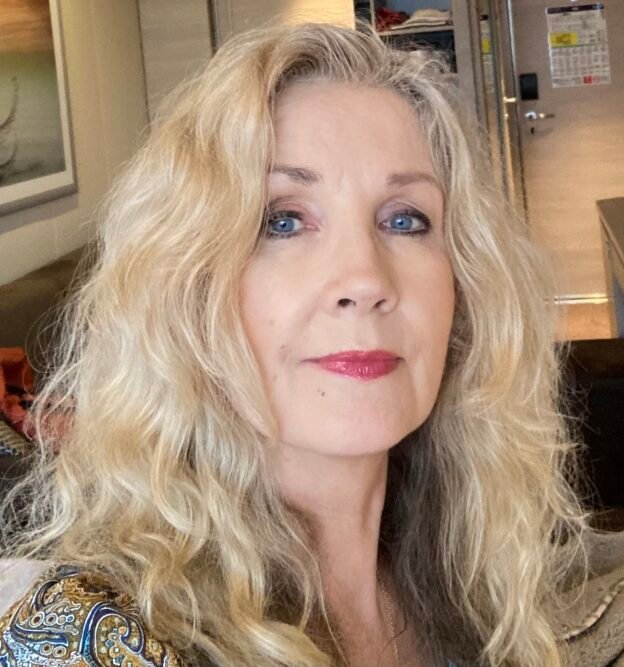
Stefanie Woschek — Returning to Art, Returning to Life

Stefanie Woschek
Practice & Vision

Stefanie Woschek is a German contemporary artist whose work is driven by a lifelong need to transform thoughts, experiences, observations, and emotions into visual form. Born in Germany in 1961, she has been painting for as long as she can remember, drawing inspiration from literature, everyday life, personal reflection, and the subjects that move her deeply. For Stefanie, painting is not simply a creative practice—it is a way of making ideas visible and sharing personal perspectives with the world. Each work becomes a visual conversation, translating inner experiences and observations into expressive and meaningful imagery.

Stefanie Woschek
Journey & Rediscovery

Although art was an essential part of her identity from an early age, life temporarily pulled her away from her creative path. After moving to Denmark in 1983, education, travel, and changing circumstances gradually distanced her from painting, creating a sense that she had abandoned an important part of herself. In 2001, however, she rediscovered her connection to art while attending painting courses. The moment she stepped into a studio and smelled oil paint again, she knew she had found her way back. This renewed passion led to the establishment of her own gallery in northern Copenhagen in 2005, where she exhibited her work, taught art, and experienced one of the most fulfilling periods of her life as an artist.

Stefanie Woschek
Loss & Return

The financial crisis of 2010 brought significant challenges, eventually forcing the closure of her gallery and her return to Germany in 2014. What followed was a difficult chapter marked by grief, personal loss, and nearly a decade away from painting. The loss of family members and the abrupt shift away from the creative life she had built profoundly affected her sense of identity. Yet in 2022, an unexpected turning point arrived when a coach encouraged her to return to painting. Though hesitant at first, Stefanie gradually reconnected with her artistic practice and discovered something transformative: art was not simply something she did—it was her calling.

Stefanie Woschek
Resilience & Purpose

Today, painting is at the center of Stefanie Woschek’s life. Through her work, she expresses emotions, experiences, and perspectives that resonate far beyond her own story, creating connections with viewers who recognize similar feelings within themselves. Her journey reflects resilience, perseverance, and the courage to return to one’s true path after profound loss and uncertainty. Guided by Paul Klee’s belief that “Art does not reproduce the visible but makes visible,” Stefanie continues to create work that transforms personal experience into shared human understanding, proving that sometimes the path we are meant to follow patiently waits for us to find our way back.

Tobi Held — An Abstract Exploration of Emotion, Spirituality, and Individual Expression

Tobi Held
Practice & Vision

Tobi Held is an abstract artist who approaches painting as a deeply emotional and spiritual practice—one that transforms inner experiences, vulnerability, and unseen energies into expressive visual form. Through layered textures, intuitive brushwork, and dynamic use of color, her work explores emotions and life experiences that often exist beyond language. Painting becomes more than image-making; it functions as a personal space for connection, reflection, and release. Rooted in the belief that individuality is something to be embraced rather than hidden, each composition reflects the beauty of human difference, imperfection, and emotional complexity.

Tobi Held
Journey & Discovery

Tobi’s artistic journey has been shaped by a lifelong connection to creativity and the emotional freedom found within abstraction. Over time, art evolved from a natural instinct into a process of healing, self-discovery, and spiritual exploration. Standing before a blank canvas continues to carry the same excitement and sense of purpose that first inspired her practice, allowing intuition and emotion to guide the creative process organically. Through abstraction, she discovered the ability to communicate experiences that cannot always be expressed verbally—transforming emotion, memory, and internal energy into immersive visual experiences.

Tobi Held
Authenticity & Dialogue

At the center of her practice is a commitment to authenticity and emotional honesty. Painting serves as both sanctuary and release: a space where internal experiences can be translated into movement, texture, and atmosphere. Motivated by the possibility of creating meaningful emotional connections, Tobi Held’s work invites viewers to engage with their own interpretations and emotional responses rather than imposing fixed narratives. Each piece becomes an open dialogue between artist, material, and observer.

Tobi Held
Color & Spirit

Through color, rhythm, and abstraction, Tobi interprets the world as layered, evolving, and beautifully imperfect. Human experiences, emotions, and spiritual states are treated as fluid and interconnected, mirrored through energetic compositions that balance vulnerability with freedom. Rather than depicting reality directly, her work seeks to express the emotional and spiritual energy that exists beneath it—creating paintings that encourage reflection, connection, and personal meaning through abstract visual language.

Suzette Schutze — Memory, Texture, and the Quiet Language of Material

Suzette Schutze
Practice & Vision

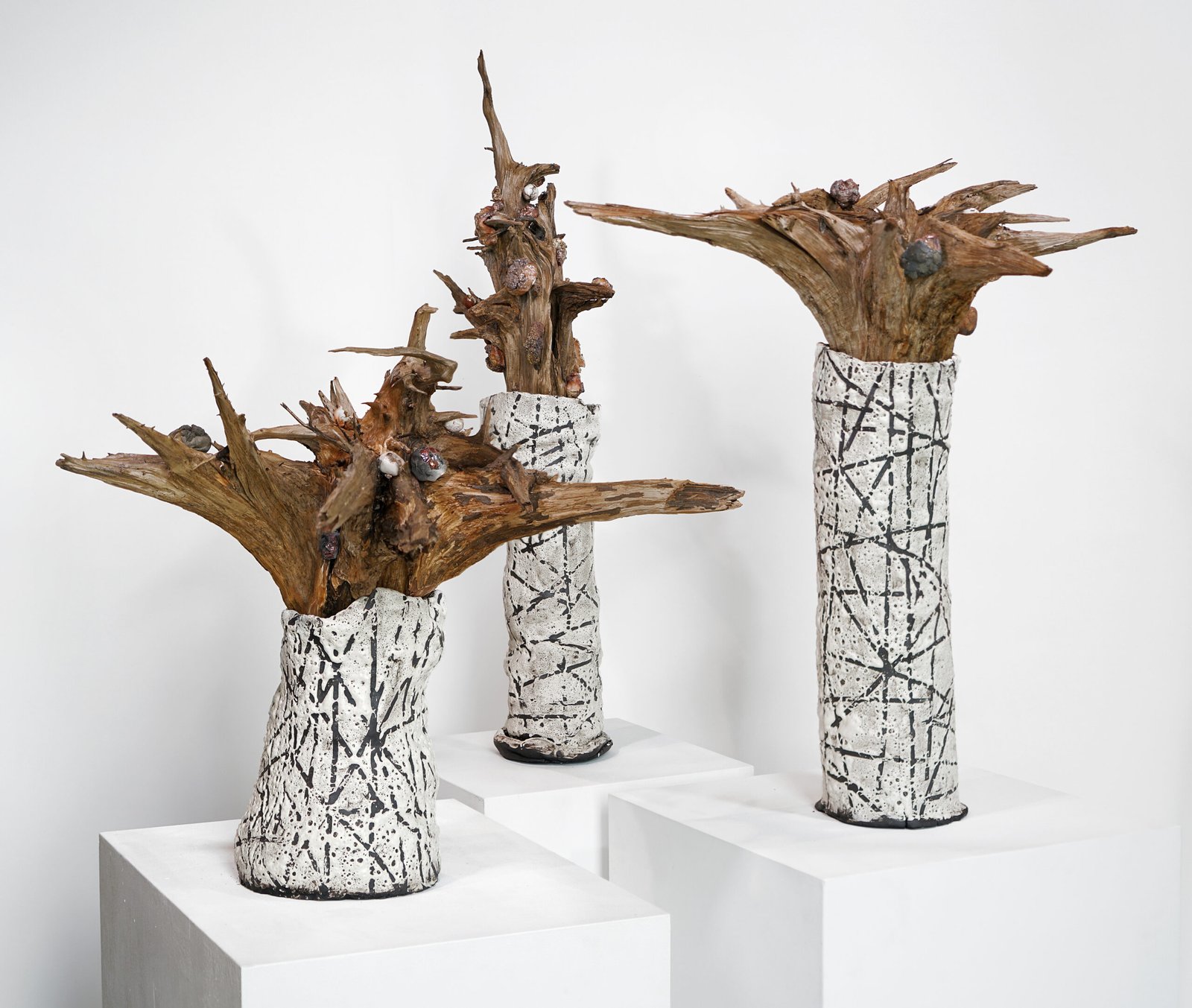
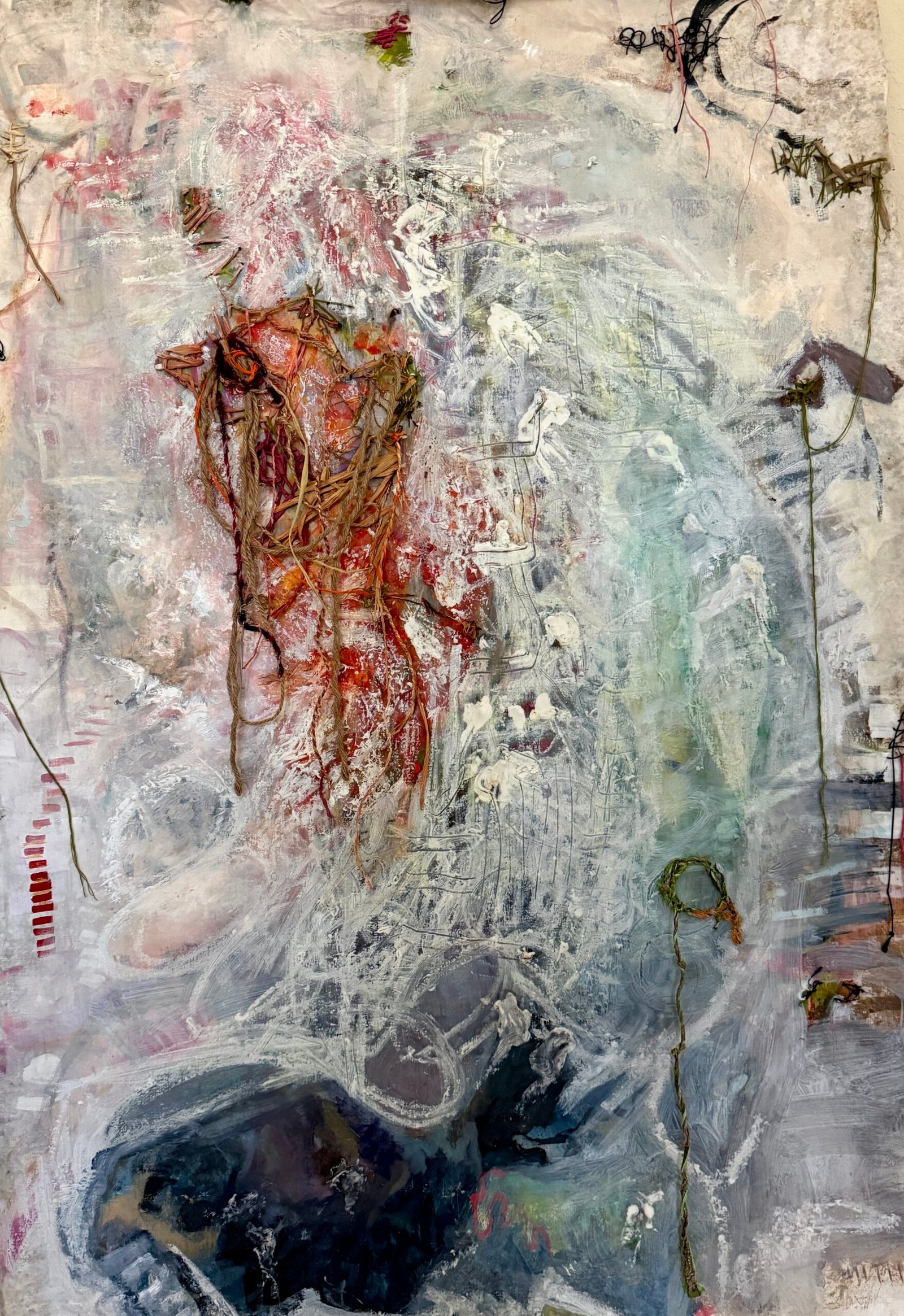
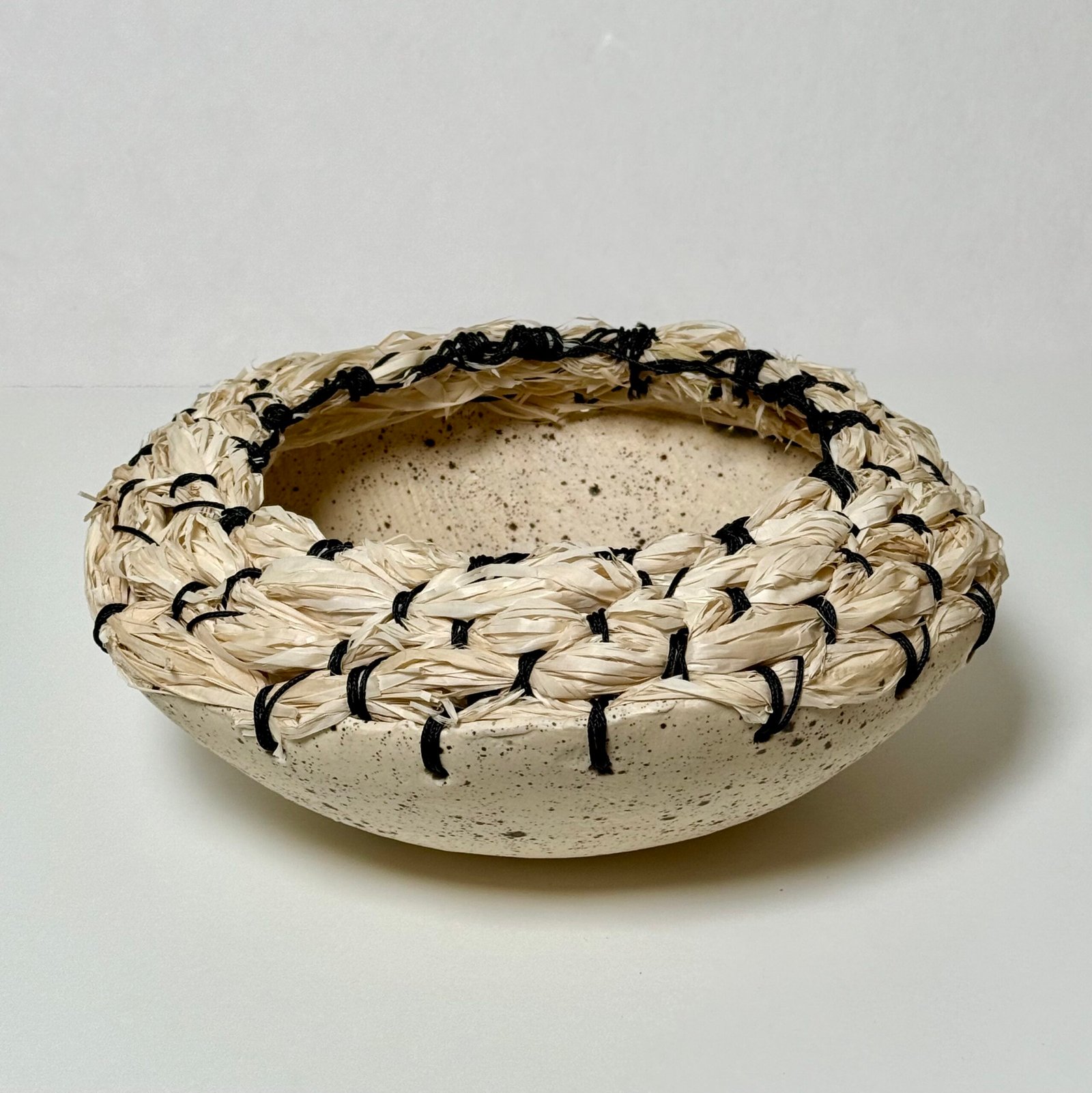
Suzette Schutze is a multidisciplinary artist driven by an inner compulsion to transform ideas into form. Drawn to the outdoors and the quiet details of landscapes, textures, and found materials, her practice moves fluidly between painting, clay, fiber, and experimentation. She sees art as a process of discovery—layering, excavating, building, and responding. Whether working with thread, paint, or clay, she creates pieces that explore memory, place, and the traces we leave behind. Each work becomes part of a larger journey, marking where she has been while revealing where she is headed—layered, imperfect, and always unfolding, where meaning develops through making.

Suzette Schutze
Journey & Process

Suzette’s path as an artist has never been linear. Her practice evolved through exploration—moving between painting, clay, fiber, paper, and sculptural work in search of forms that feel honest, tactile, and emotionally resonant. Over time, she became less interested in polished images and more drawn to surfaces that carry evidence of time, memory, erosion, repair, and transformation. Experiences in rural environments, particularly in France, deepened her interest in quiet abstraction and the emotional weight of place. One medium continually led her to the next: thread entered the work as a way of connecting and repairing, while clay introduced permanence, fragility, and physical memory. Today her practice is unified not by material, but by process—excavation, accumulation, and discovery. She stopped trying to force the work to become an image and began allowing it to become an artifact.

Suzette Schutze
Motivation & Nature

What motivates Suzette to dedicate her time and energy to her craft is a deep connection to the outdoors and the experience of discovering beauty in weathered, quiet, and imperfect places. She is drawn to spaces deep within the natural world where silence allows subtle details to emerge—the sound of the wind, the hum of insects, shifting light, erosion, and traces of time on surfaces. These places can be difficult to find, but when encountered they are transformative. That influence carries through everything she makes—whether in clay, painting, stitching, or sculpture. Materials that feel tactile and alive allow the process to unfold intuitively rather than forcing a fixed outcome, and creating becomes a way of translating experiences, places, and memories into physical form.

Suzette Schutze
Seeing & Feeling

Suzette sees the world through texture, memory, and transformation. Drawn to both beauty and the imperfections found within the natural world, her work reflects places and materials that carry evidence of time—weathered surfaces, shifting landscapes, handmade objects, and quiet details that are often overlooked. Rather than creating literal representations, she uses abstraction, layering, stitching, clay, and tactile materials to translate the emotional experience of a place or moment. Her work is less concerned with capturing exactly what she sees and more interested in preserving what she feels: stillness, erosion, connection, movement, and memory. As Andy Goldsworthy observed, “The underlying tension is between the fragility of the work and the strength of the ideas”—a sentiment that resonates deeply throughout her practice.

Tina — Imagination, Healing, and the Magic of Surreal Expression

Tina
Practice & Vision

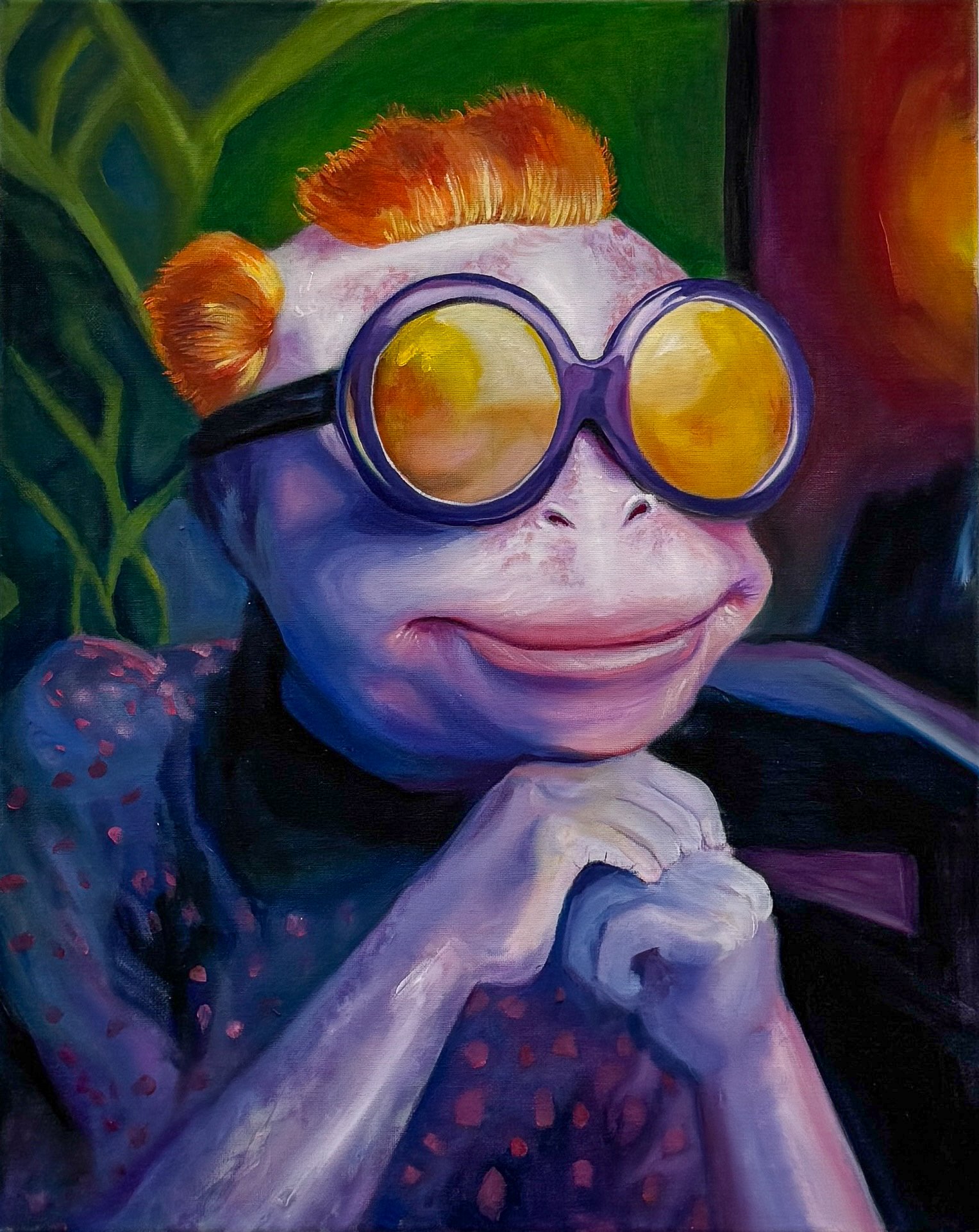
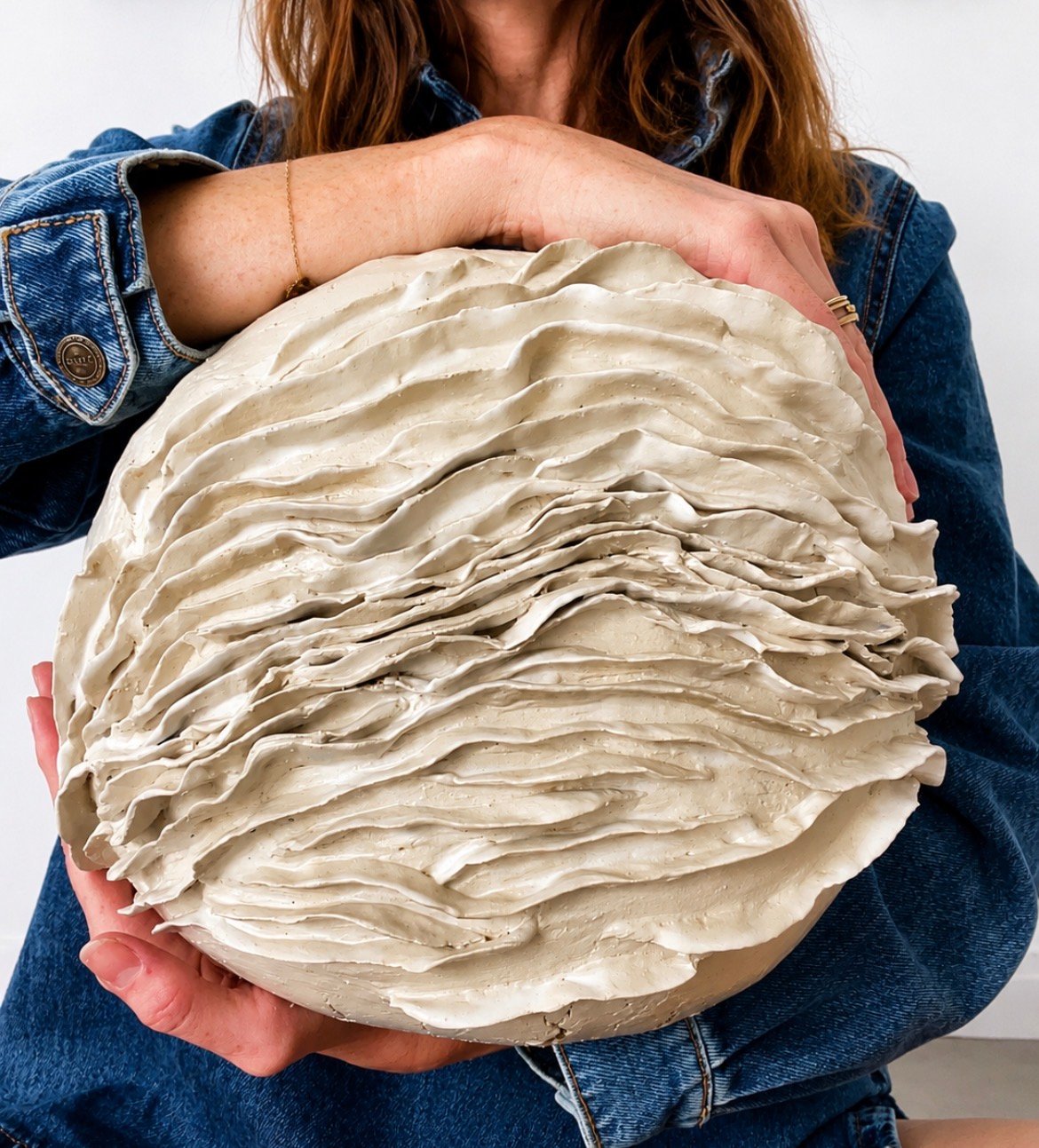
Tina is a British multidisciplinary artist whose work exists within a deeply imaginative and surreal visual universe shaped by colour, memory, storytelling, and emotional transformation. Originally from Plymouth, Devon, England, she describes herself as kind, quirky, and endlessly drawn toward unusual and visually enchanting objects—like a “colourful magpie” collecting fragments of the world and reassembling them into magical artistic forms. Working across collage, painting, drawing, and sculpture, Tina creates works that blur the boundaries between dream and reality, often transforming everyday experiences into emotionally charged worlds filled with symbolism, fantasy, and wonder. Influenced by artists such as Tate-exhibited surrealist Dorothea Tanning, alongside figures like Picasso, Chagall, Giacometti, Calder, Warhol, and Escher, her practice celebrates imagination as both an artistic language and a form of emotional survival.
Tina
Childhood & Origins

From childhood, creativity became Tina’s natural way of understanding the world. While others worked at tables, she preferred the openness of the floor—where space felt unrestricted and imagination could expand freely. Surrounded by paper cut-outs, handmade creatures, miniature houses, patterns, and vibrant colour, she developed an instinctive relationship with visual storytelling that would later define her practice. During her college years, she began creating surreal self-portraits and emotionally layered compositions inspired by personal relationships and psychological atmosphere. It was during this period that she realized painting could become a true artistic voice, leading her deeper into the worlds of surrealism, portraiture, textiles, sculpture, and experimental materials.
Tina
Resilience & Healing

Her creative journey, however, was far from linear. Following the loss of her father and a period of serious health struggles, Tina’s artistic path became intertwined with healing, resilience, and self-reconstruction. Despite setbacks, interrupted studies, and moments of uncertainty, she never abandoned the impulse to create. Instead, art became a form of emotional continuity—a way of carrying imagination through grief and transformation. Eventually relocating to Glastonbury, Somerset, Tina began rebuilding her artistic life, exhibiting paintings and drawings in local venues before later presenting work at spaces including the Saatchi Gallery and giving talks about her artistic journey at the Royal Academy of Arts.

Tina
Art & Devotion

For Tina, art is inseparable from healing and personal evolution. Motivated by imagination, emotional truth, and the belief that creativity is a gift to be honored, she approaches art as both devotion and necessity. Her work often feels like stepping “through the looking glass”—into spaces where surreal imagery, memory, symbolism, and emotion merge into something deeply human yet fantastical. Guided by the words of her father—”Follow your dream, follow your art”—Tina continues to create works that celebrate the boundless possibilities of imagination while reflecting the resilience required to keep creating through every chapter of life.

Fatma Mariey — An Exploration of Perception, Psychological Space, and the Unseen

Fatma Mariey
Practice & Vision

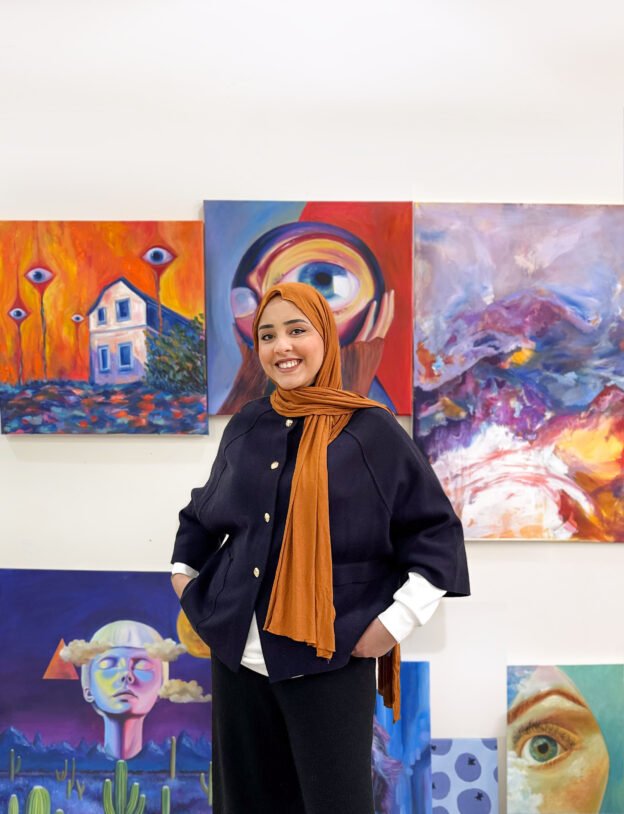
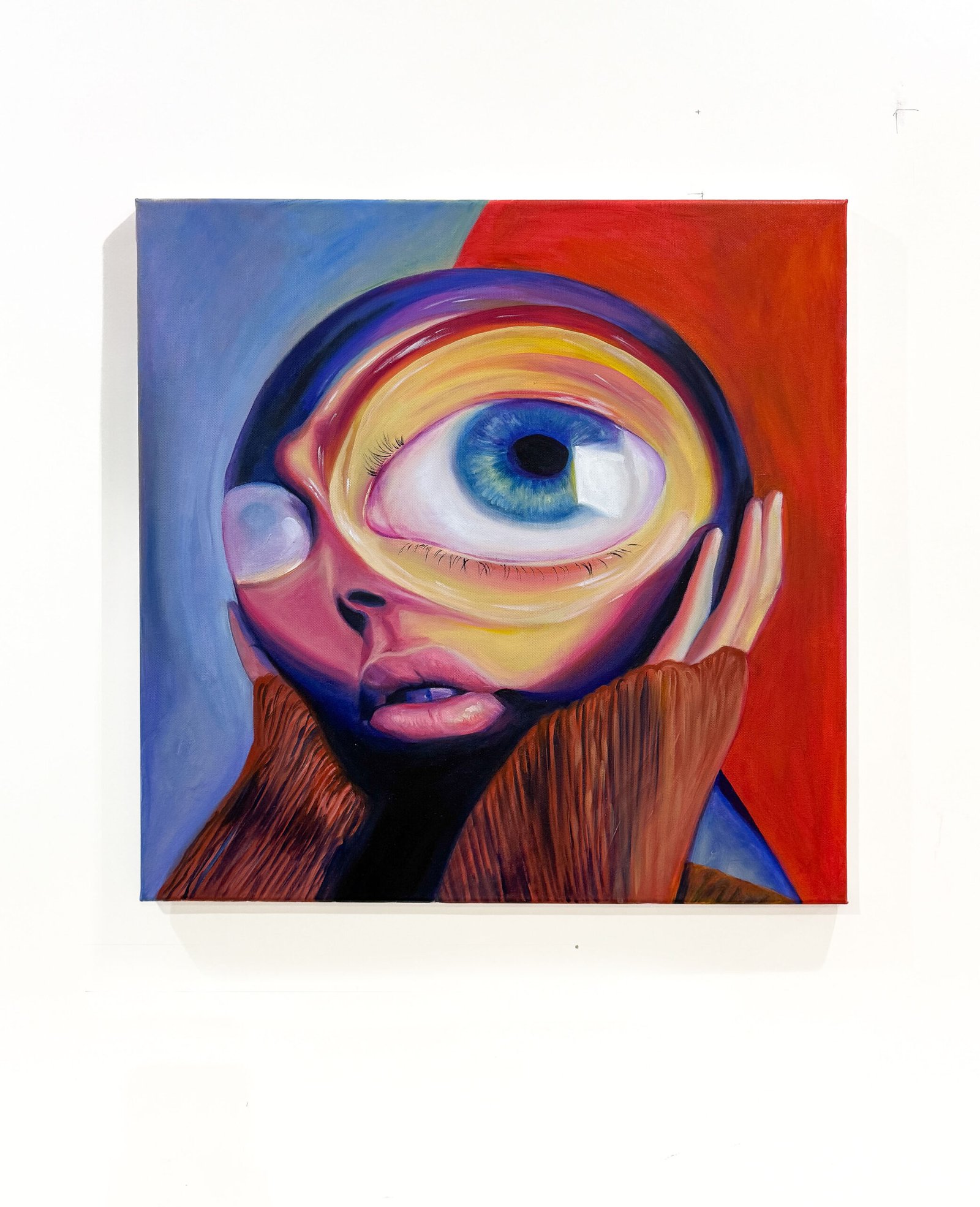
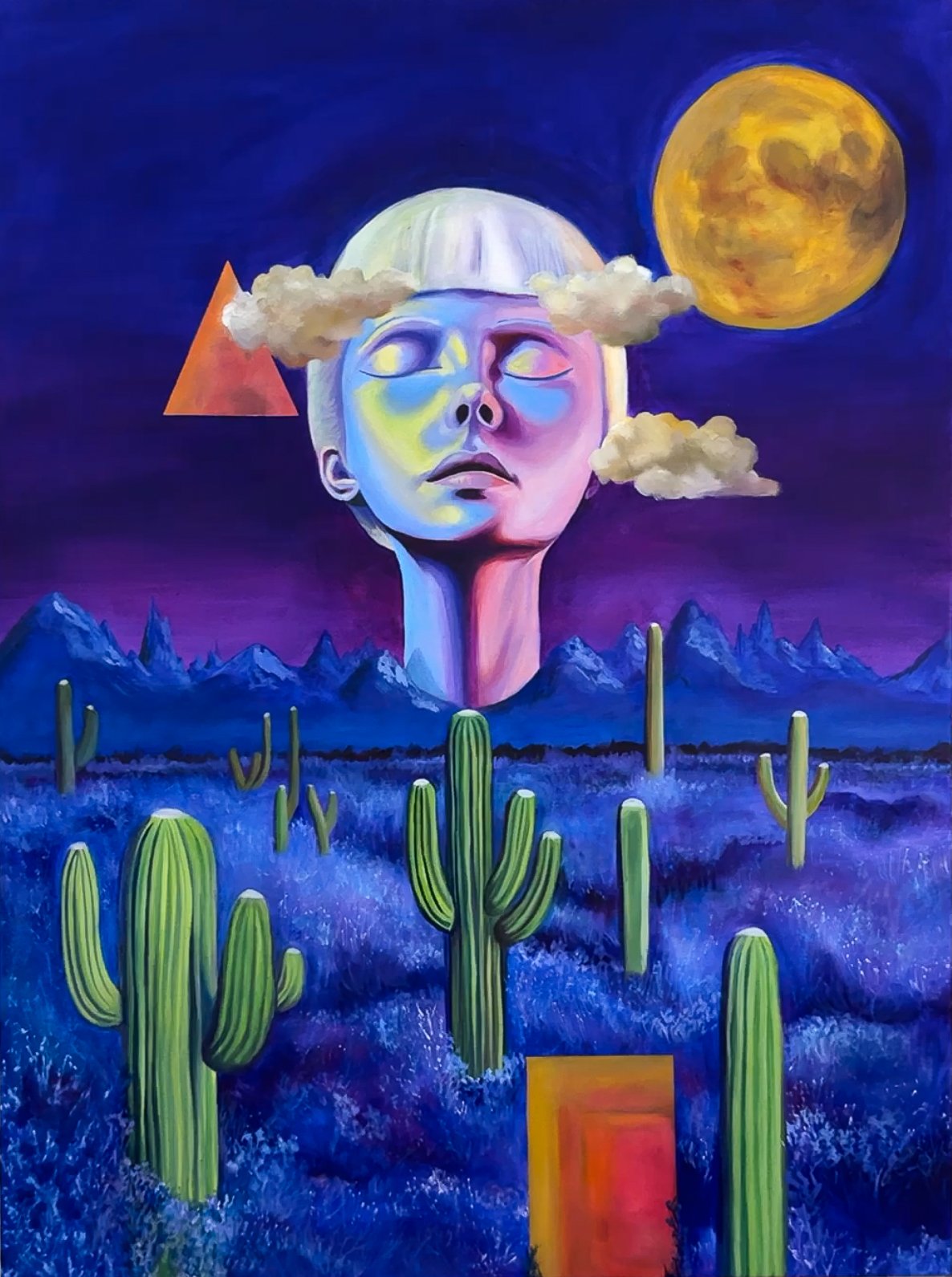
Fatma Mariey is an Egyptian visual artist working across painting and image-making, constructing deeply psychological worlds that exist between perception, awareness, and emotional tension. Rooted in surreal and symbolic visual language, her work explores the fragile boundary between observing and being observed, creating internal landscapes that feel less like physical places and more like states of consciousness. Rather than depicting reality directly, each composition investigates the shifting nature of perception itself—how awareness transforms during moments of transition, displacement, and uncertainty. Through layered imagery and symbolic forms, Fatma translates invisible emotional states into visual experiences that invite reflection rather than fixed interpretation.

Fatma Mariey
Education & Process

Educated at Virginia Commonwealth University Qatar, her artistic practice evolved not through rigid formal structures, but through an ongoing process of repetition, questioning, and refinement. Painting gradually became the most direct medium for exploring these internal spaces, allowing perception and psychological tension to unfold through atmosphere, composition, and symbolic presence. Across her work, the act of looking itself becomes central—not only what is seen, but how it feels to exist under observation, within uncertainty, or inside shifting emotional realities.

Fatma Mariey
Discipline & Intuition

At the core of Fatma Mariey’s practice is a commitment to engaging with what cannot easily be articulated. Art becomes a method of processing unresolved tension, awareness, and emotional complexity rather than escaping them. This approach is grounded in discipline as much as intuition: the continual act of returning to the work, even when direction remains unclear. Over time, this sustained process shapes a body of work that feels introspective, emotionally charged, and psychologically immersive.

Fatma Mariey
Perception & Consciousness

Rather than offering definitive meanings, Fatma creates spaces where perception remains fluid and unstable. Internal landscapes become mirrors of awareness itself, allowing viewers to encounter not only imagery, but the sensation of being seen within it. Guided by Paul Klee’s idea that “the subject of art is not the visible, but what has been made visible,” her work reveals hidden emotional and psychological dimensions that exist beneath ordinary perception—transforming abstraction and symbolism into tools for understanding the complexity of human consciousness.

Gil Zablodovsky — Geometry, Sound, and the Search for Stillness in the Digital Age

Gil Zablodovsky
Practice & Vision

Gil Zablodovsky is a multidisciplinary artist whose practice exists at the intersection of digital media, sound, immersive installation, and contemporary abstraction. Based in Bat Yam, Israel, and working across video art, sound research, and spatial environments, his work explores how technology can be transformed into something deeply human—infusing the digital realm with warmth, emotional resonance, and presence. Through a process rooted in formal experimentation and conceptual precision, Zablodovsky seeks to distill the complexity and fragmentation of contemporary existence into moments of balance, silence, and contemplation. At the center of his visual language is the circle: a recurring geometric anchor that functions as both a symbol of perfection and a stabilizing force within an increasingly accelerated and fragmented world.

Gil Zablodovsky
Creative Laboratory

A graduate of the Holon Institute of Technology with a Master of Design (M.Des), and co-founder of the influential Grosso Modo artist collective in Tel Aviv, Zablodovsky approaches art as an evolving “Creative Laboratory” where digital structures, sound frequencies, and visual systems converge. His work deconstructs ordinary materials and sensory experiences into layered digital realities that merge abstraction with emotional depth. Through geometric forms, immersive environments, and rhythmic visual compositions, he creates spaces where inner psychological processes are translated into universal sensory experiences capable of resonating beyond language.

Gil Zablodovsky
Sound & Silence

Sound plays a central role within his artistic process—not simply as accompaniment, but as the driving force behind the work itself. Fascinated by vibration, resonance, and frequency, Zablodovsky treats sound as both material and emotional architecture. This deep engagement with auditory experience informs the pacing, structure, and atmosphere of his visual environments, allowing his works to function as meditative fields where viewers can momentarily disconnect from the overwhelming “noise” of digital culture. Rather than intensifying stimulation, his practice aims to reduce it—revealing a quieter visual and sonic language capable of encouraging reflection, emotional awareness, and stillness.

Gil Zablodovsky
Recognition & Legacy

His work has received international recognition through exhibitions at institutions including the Jewish Museum Berlin, Jewish Museum New York, and the Prague Biennale, positioning him as an important contemporary voice within digital and immersive art. Across installations, video works, and sound-driven environments, Gil Zablodovsky continues to investigate how abstraction, geometry, and sensory perception can create new forms of emotional equilibrium—offering viewers not only an aesthetic experience, but a temporary refuge of clarity and calm within the intensity of modern life.

Hilary Saner — Between Revelation and Concealment

Hilary Saner
Practice & Vision

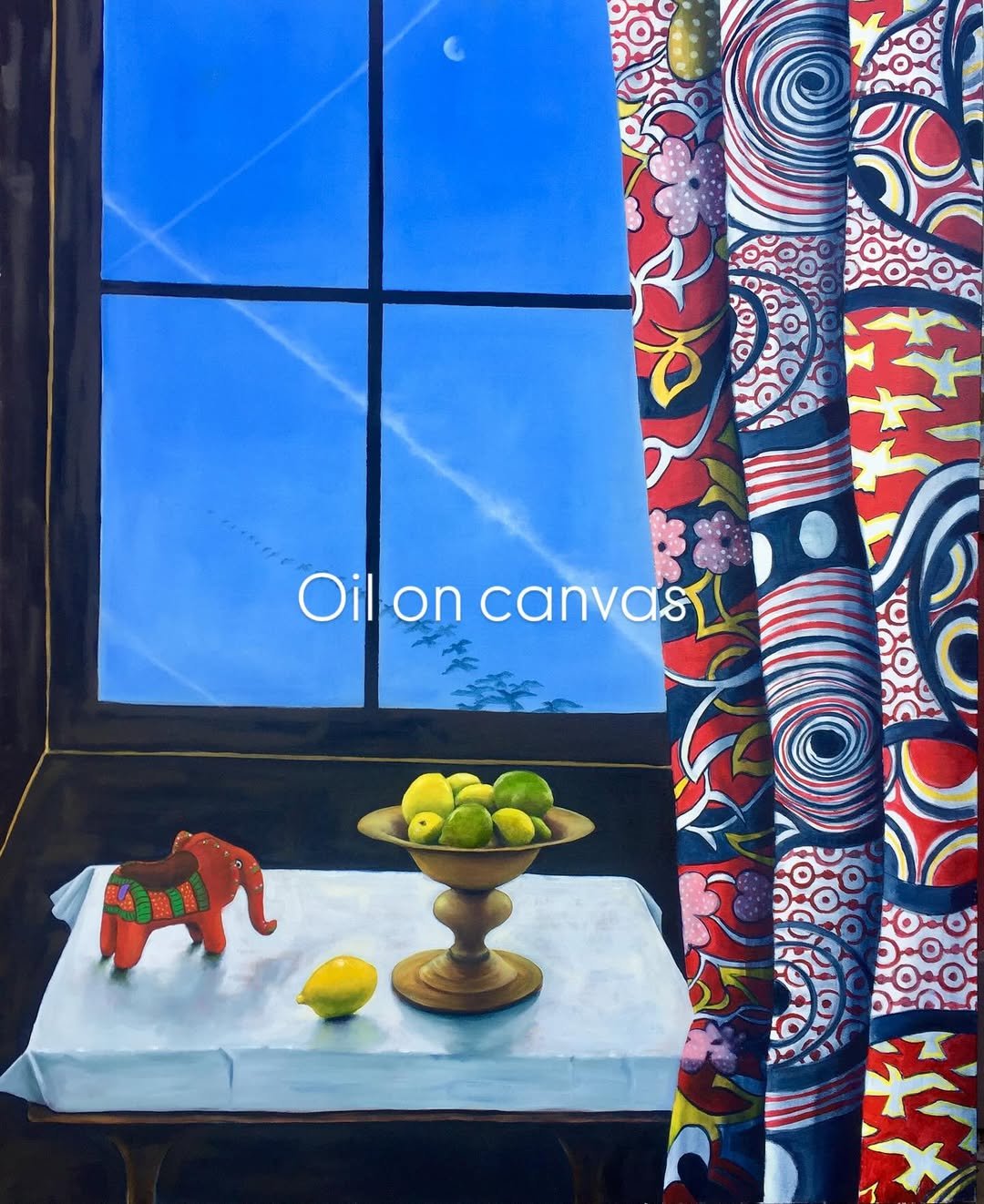
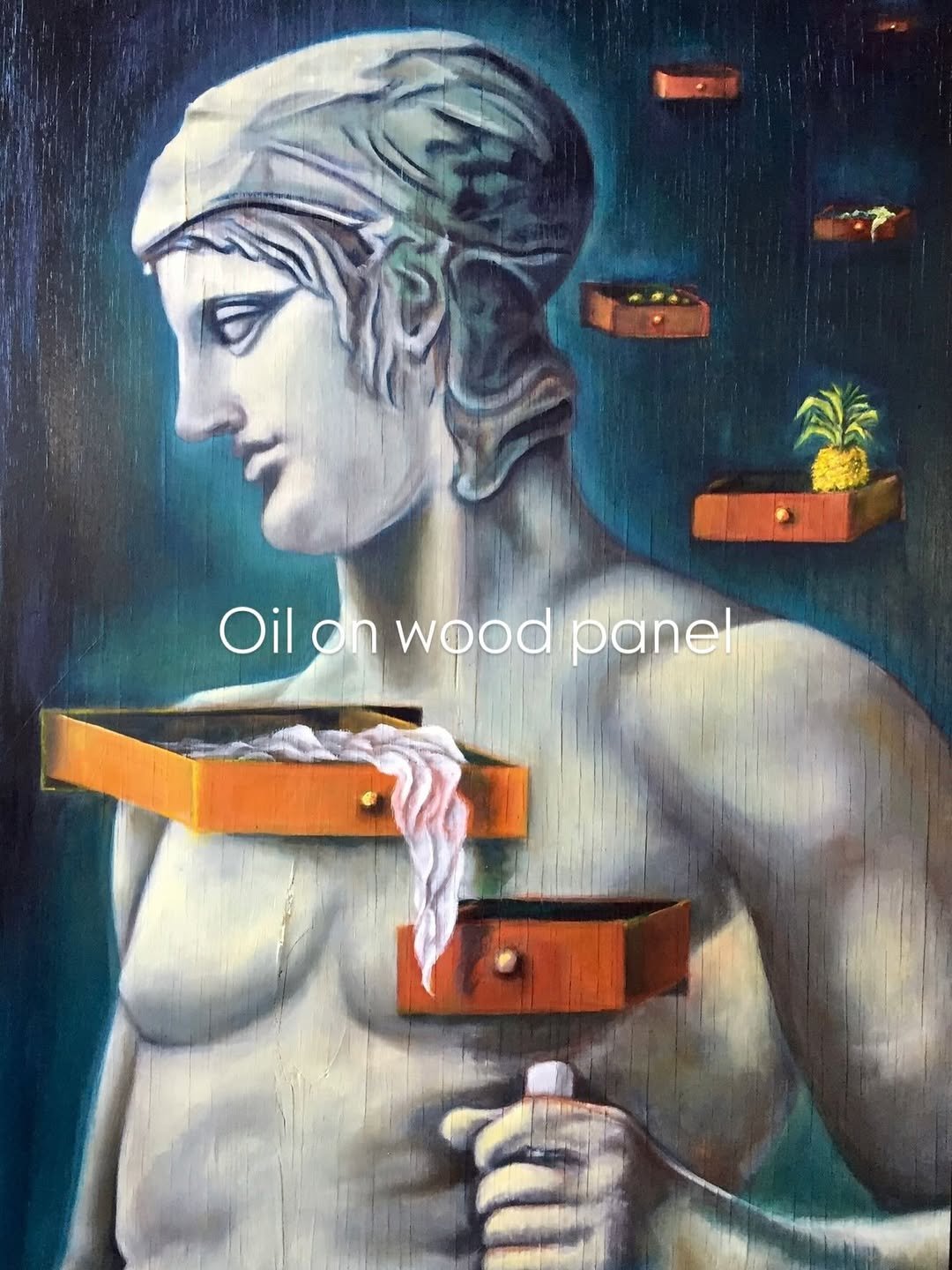
Hilary Saner is a South African-born contemporary artist whose practice moves fluidly between large-scale surreal representational paintings and intensely colored abstractions, creating a visual language rooted in intuition, symbolism, and layered emotional presence. Dividing her time between California and Hawaii, she works across oils, acrylics, watercolor, tissue paper, beads, and embroidery thread on surfaces ranging from canvas and wood to paper and board. Her process unfolds through rhythmic cycles of observation and gesture—looking, making a mark, stepping back, and returning again—allowing each work to emerge through an intuitive dialogue between structure and spontaneity. Whether working in abstraction or representation, Hilary approaches painting as a living conversation between artist, material, and viewer, reflecting her belief that life itself demands creative agency in response to uncertainty, turbulence, and transformation.

Hilary Saner
Journey & Process

Her artistic journey has been anything but linear. Before fully dedicating herself to painting, Hilary pursued an extensive academic and spiritual path, earning a Ph.D. in Education and Statistics from Stanford University while working in social science research, theological studies, community leadership, and founding a children’s center. A profound family tragedy unexpectedly redirected her life toward painting—not as a planned profession, but as an emotional and existential necessity. Through art, she discovered a language capable of holding what other disciplines could not fully contain: grief and wonder, memory and sensation, revelation and concealment. Drawn initially to the slow depth of oil painting and later expanding into mixed media, Hilary developed a practice where texture, collage, and layered surfaces mirror the complexity of memory itself.

Hilary Saner
Meaning & Memory

Within her work, nothing exists only at surface level. Still lifes become symbolic meditations, abstractions carry hidden narratives, and ordinary objects transform into emotional thresholds. Themes of concealment and disclosure run throughout her paintings, where meaning often emerges gradually—like a secret being slowly revealed through color, texture, and form. Her experience living between cultures has further shaped this sensitivity, deepening her awareness of what is visible versus what remains encoded beneath perception. Balancing analytical rigor with contemplative intuition, Hilary’s work carries both compositional structure and emotional openness, allowing logic and mystery to coexist within the same visual space.

Hilary Saner
Color & Transformation

Driven by a deep love for color and the transformative power of sustained attention, Hilary creates paintings that resist the speed of contemporary life. She believes painting possesses a rare ability to make viewers pause, remain present, and reconnect with their own humanity. Vibrant, layered, and emotionally charged, her work invites viewers into spaces where memory, symbolism, and emotion quietly unfold over time. Through this process, Hilary Saner continues to explore not only how the world is seen, but how meaning itself is continuously discovered beneath its visible surface.

Manon Louve — Sculpting Memory, Fragility, and Silent Presence Through Clay

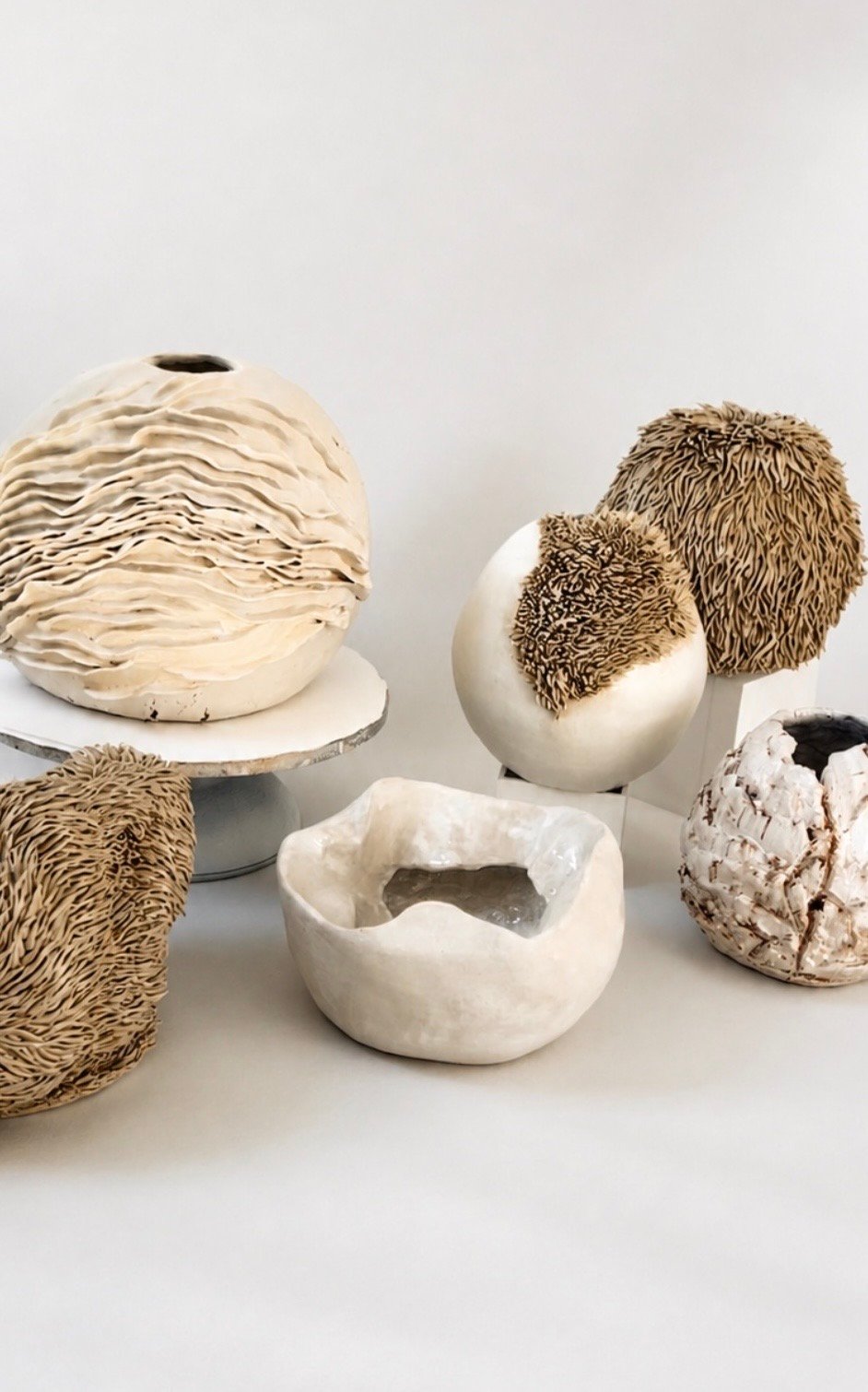
Manon Louve ceramic sculpture
Practice & Vision

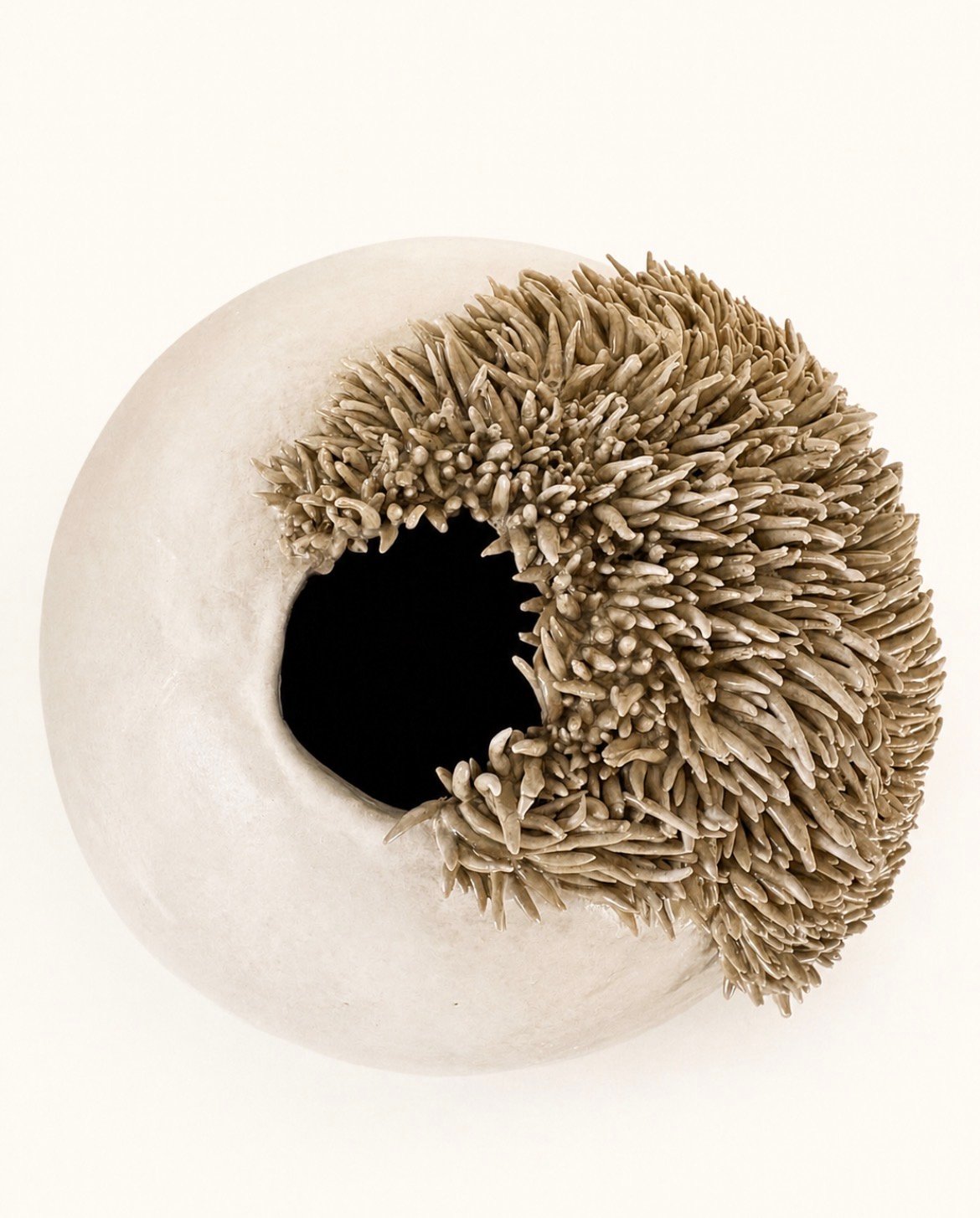
Manon Louve is a French ceramic artist whose practice exists at the intersection of contemporary sculpture and functional design, creating stoneware works that explore memory, fragility, transformation, and the emotional resonance of material itself. Working entirely by hand, her sculptural universe is shaped through slow, instinctive processes where irregularities, imprints, and traces remain intentionally visible—allowing each piece to preserve the physical history of its own creation.

Manon Louve polaire series
The p ø l a i r e Series

Her artistic journey emerged through a deeply personal exploration of gesture, body, and clay. This intimate relationship with clay continues to guide her practice today, particularly within her evolving p ø l a i r e series, where themes of climate change, fragile ecosystems, and disappearing landscapes become central. Through cracked white surfaces, soft illuminated forms, and textures reminiscent of ice, fur, and erosion, Manon Louve constructs works that carry a quiet tension between softness and collapse, beauty and disappearance.

Manon Louve art and life
Art & Everyday Life

Deeply inspired by cold landscapes, mineral textures, the sea, and the vulnerability of the human body, Manon Louve approaches ceramics as both a meditative and emotional act. Existing intentionally between art and functionality, her pieces are designed not only to be observed, but to inhabit everyday life—allowing sculpture to become part of human experience itself. Guided by the belief that material can communicate beyond language, her works resonate through silence, atmosphere, and presence.

Fatima Abd Eldayem — Where Architecture, Technology, and Artistic Vision Converge

Fatima Abd Eldayem is an Austrian architect, artist, and computational designer whose work exists at the intersection of art, technology, and experimental architecture. Her creative journey began in childhood through an early fascination with painting and drawing, evolving from “paint by numbers” templates into highly detailed realistic portraits created with graphite, colored pencils, watercolor, acrylics, and oil pastels. Inspired deeply by the calming imagination of Bob Ross and driven by a constant curiosity for artistic experimentation, Fatima developed a visual sensitivity that would later become the foundation of her architectural and digital design practice.

At the age of sixteen, she discovered architecture as a way to merge artistic expression with purposeful design, leading her to pursue architectural studies at the University of Innsbruck, where she is currently completing her master’s degree. Today, her practice focuses on experimental and computational architecture, combining artistic thinking with advanced digital technologies to explore new spatial possibilities. Artificial intelligence frequently becomes part of her early conceptual process, later evolving through computational tools such as Houdini, Grasshopper, Rhino, and TouchDesigner to transform abstract ideas into immersive visual realities.

Central to Fatima’s work is a fascination with voxel-based geometries, fractal structures, and layered complexity. She is deeply drawn to patterns, details, and systems, believing that the true beauty of architecture lies within these intricate relationships. Her work navigates the space between realism and abstraction, organic emotion and digital precision, creating environments that feel both futuristic and emotionally resonant. Rather than approaching architecture solely as construction, she sees it as an atmospheric and sensory experience capable of shaping human perception and emotional connection.

What motivates Fatima is the ability to transform imagination into immersive visual experiences that communicate beyond language. Through her artistic and architectural practice, she continuously explores how technology and creativity can coexist to redefine the future of design while remaining deeply human at their core. Guided by curiosity, discipline, and experimentation, her work reflects a generation of contemporary creatives redefining architecture not only as a physical structure, but as a living emotional experience shaped by light, complexity, and perception.