
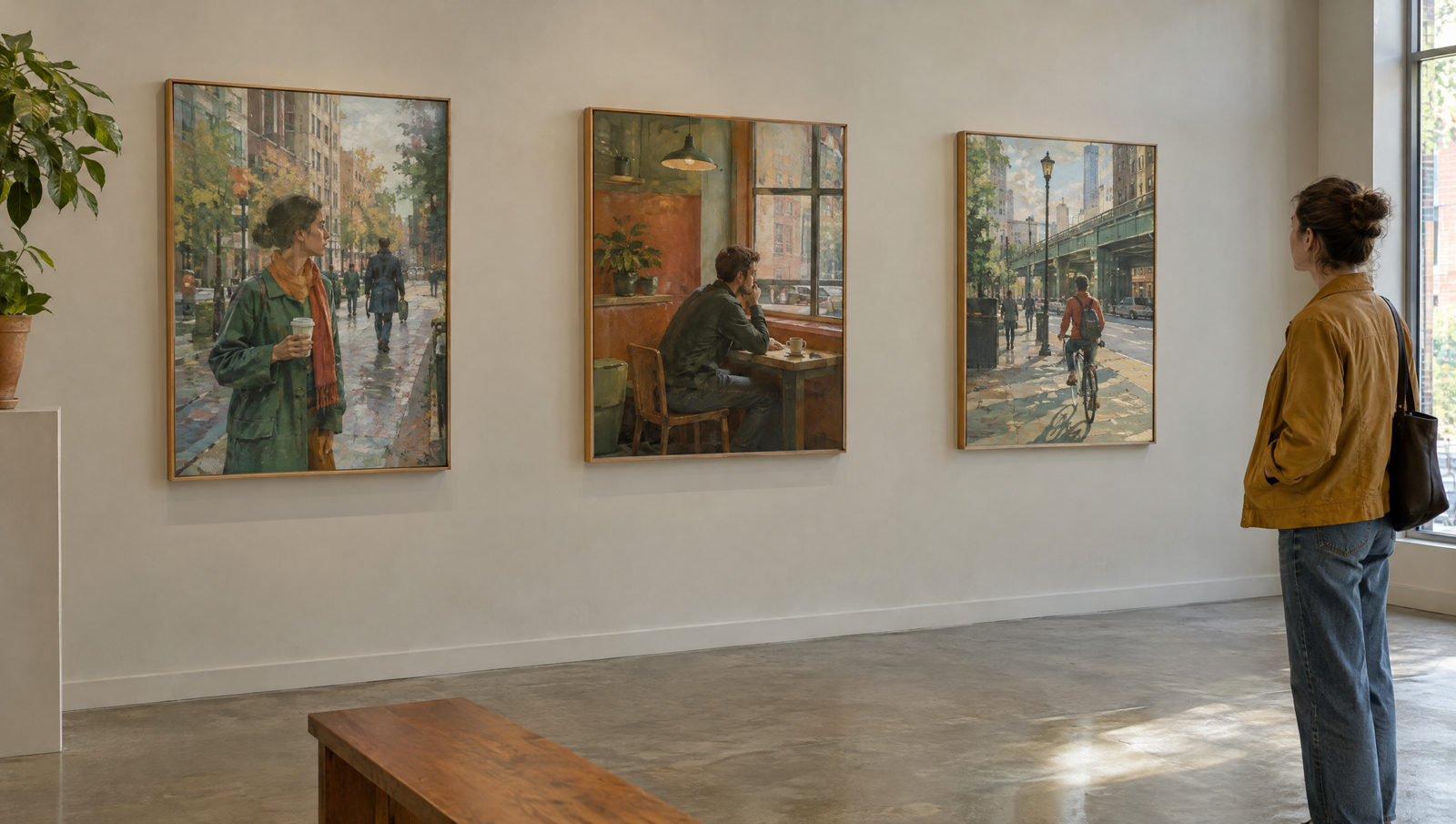
You save an artwork, visit the artist’s page and find yourself scrolling. One painting holds your attention. The next leaves you unsure. There are exhibition announcements, a few studio photographs and a description calling the artist “one to watch.”
What do you do with all of that?
To discover emerging artists, start with several works, follow the questions behind them and check the information that gives them context. Independent galleries, open studios, artist-run spaces and online portfolios can all be useful starting points. A recommendation gives you a name; looking and asking help you decide whether to keep following it.
At Best Art Gallery, we believe an artist’s thoughts are also art. That makes discovery a conversation worth taking slowly. We want to understand what someone is working through, and how it reaches the surface, before deciding how to introduce their work.
Part 01 · Understanding the description
What Does “Emerging Artist” Actually Mean?
The term usually describes an artist developing a professional practice and gaining recognition. Its meaning varies between galleries, exhibitions and programmes. It is worth asking what a particular organisation means when it uses the word.
Age alone tells you very little. Someone may begin exhibiting later in life; another person may already have a substantial career while still relatively young. An artist can also be established in one place and unfamiliar to audiences elsewhere.
Look for the actual context. How long has the artist been working? What have they shown? Is the current series a first sustained project, or the outcome of years of experimentation?
These questions help you meet the person behind the label. They also prevent “emerging” from becoming a promise about future prices. A career is still unfolding, and an introduction cannot tell you where it will lead.
Part 02 · Finding your starting points
Where to Discover Emerging Artists
Begin with a question you already care about. Perhaps you are drawn to how painters handle evening light, how a sculptor works with discarded material or how an artist represents a place you know. A specific interest gives you a reason to look beyond the most frequently shared names.
Independent galleries can help you follow a practice across exhibitions. Read their programmes and ask about a work that interests you. A useful conversation should leave you with something more specific than “this artist is getting a lot of attention.”
Open studios and artist-run spaces offer another route. You may see work in progress, small experiments or a series before it has a polished presentation. Ask whether a piece is finished rather than assuming everything in the room is ready for sale.
Graduate exhibitions and local arts organisations can introduce practices that are still taking shape. Visit with curiosity. Early work deserves time to develop, and a promising experiment need not arrive with a fully settled explanation.
Online portfolios and artist features make it possible to follow work across distance. Browse beyond the first screen. Check whether images have titles, dates, dimensions and materials. Those modest details make comparison much easier.
You do not have to use every route. Choose one gallery programme and a handful of artists to follow for a while. Familiarity grows through returning.
Part 03 · Beyond the standout image
Look at a Body of Work, Not Just One Post
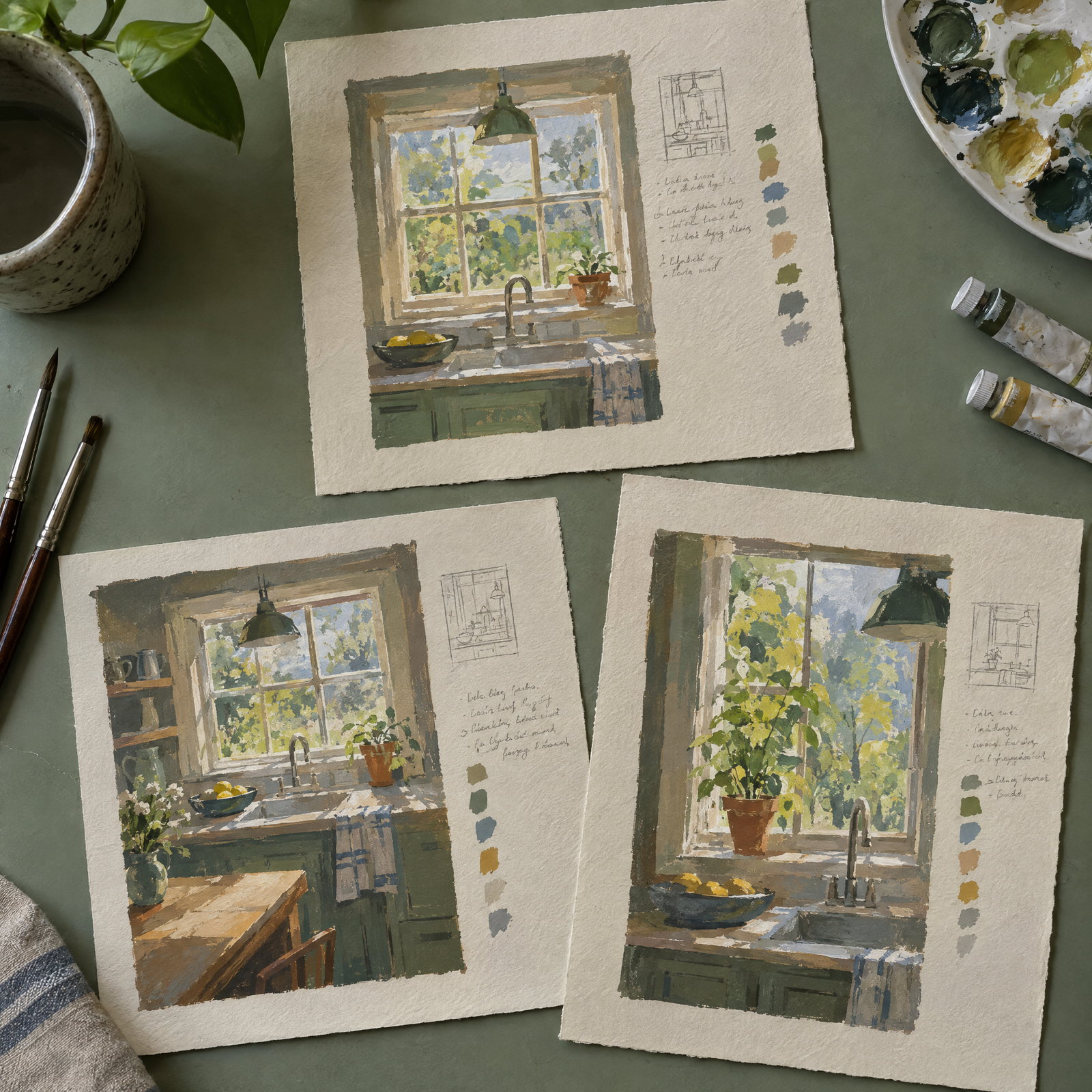
A strong image can start the interest. To understand the artist, look at what surrounds it.
Choose three to five works from the same series, then find something from an earlier period if available. Notice what carries across: a recurring shape, a way of layering paint, an interest in certain spaces. Where does the artist change the approach?
Repeated subjects can reveal sustained attention, but similarity alone is not evidence of development. Ask what happens differently from one work to the next. Does the artist change the scale, complicate the composition or test another material?
You may find that one piece remains your favourite. That is fine. The others help you understand what makes it particular.
For the same reason, an unfamiliar direction should not automatically count against an artist. Compare the questions connecting the works. A painter moving into collage may be continuing an investigation through a different process.
Try writing one sentence about the work without using “beautiful,” “powerful” or “unique.” If you can describe how an edge, a colour or a material affects your experience, your interest is becoming more precise.
Part 04 · How the work is made
Ask Questions That Bring You Closer to the Artwork
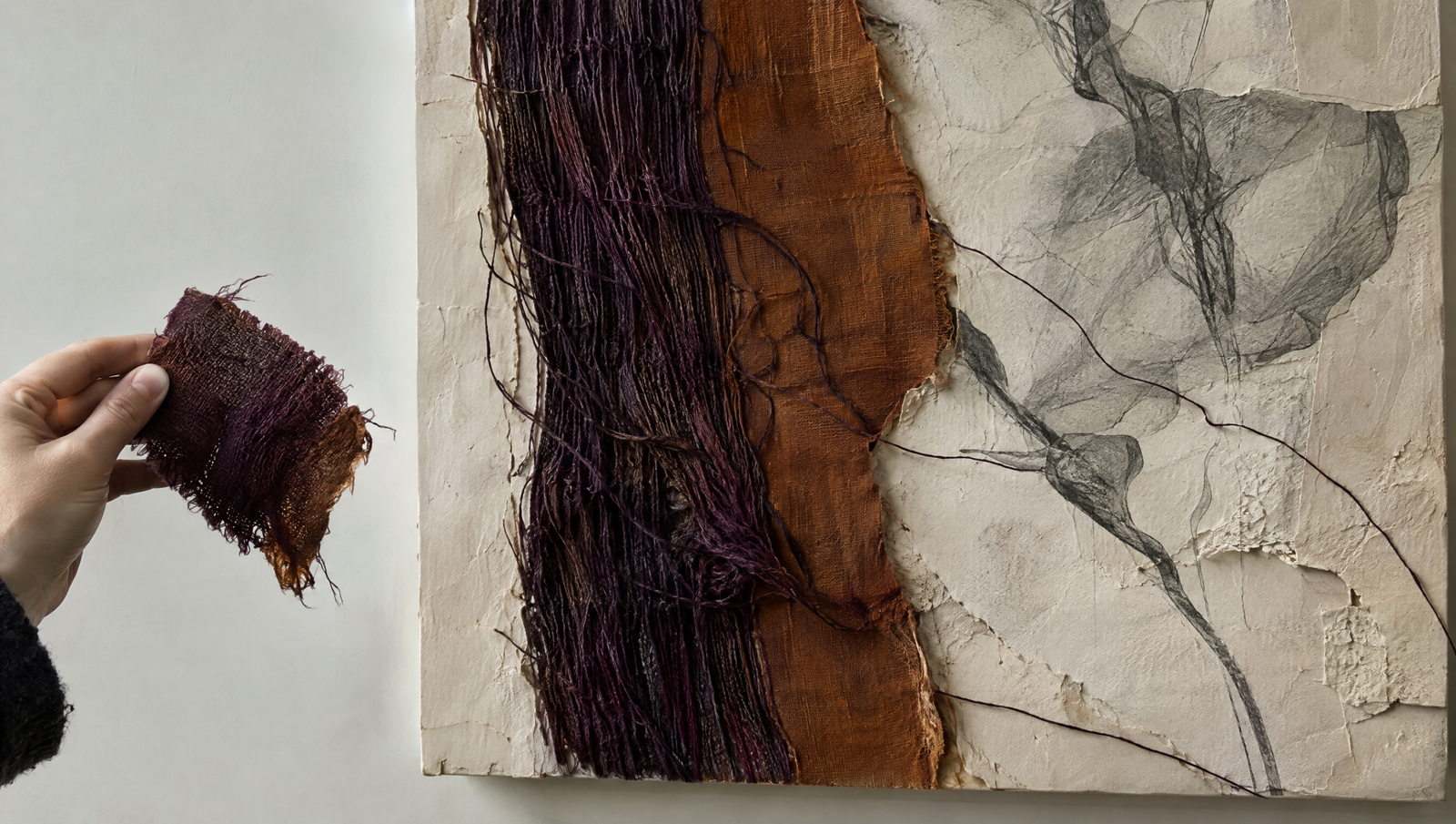
An artist statement can offer a starting point. The next step is to connect its words with a decision you can see.
If the artist writes about memory, ask how that enters the process. Do they work from family photographs, revisit a location or redraw an image until parts disappear? Each answer takes the conversation somewhere different.
Materials are often a good way in. Why use thread here? What does a rough support allow? Is the visible seam deliberately kept? You do not need specialist vocabulary to ask about something that caught your attention.
- What changed while you were making this work?
- What connects it with the other pieces in this series?
- Why did you choose these materials?
- Is there an earlier work that helps explain this direction?
Leave room for an answer that is still developing. Artists do not always begin with a complete theory. A clear account of trying, changing and discovering can tell you a great deal.
We would rather hear about an actual decision than ask someone to turn every painting into a perfectly packaged life story. Personal context matters when it helps us understand the work.
Part 05 · Reading recommendations
Use Recognition as a Lead, Then Investigate
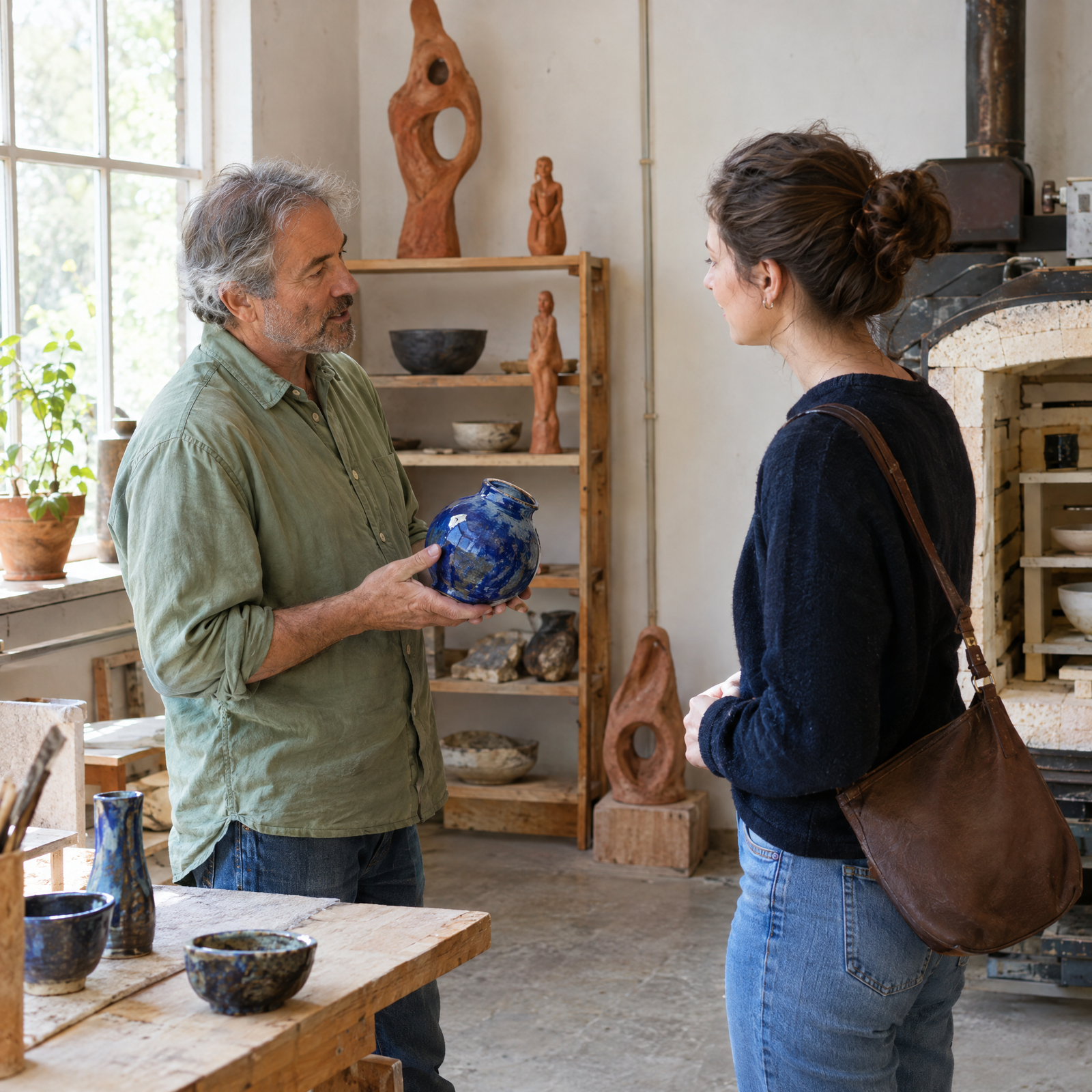
An exhibition, residency or recommendation can give you a useful reason to look. Check the original announcement and ask what the opportunity involved. A group exhibition and a solo presentation provide different amounts of space for a practice.
October 2026 offers a concrete example. Frieze London’s Artist-to-Artist section includes seven solo presentations nominated by established artists. Paul Robas, presented by Alice Amati, was nominated by Louise Giovanelli.
That nomination gives us a starting point. The next useful step is to explore the gallery’s record of Robas’s work: compare individual paintings, read their materials and dates, and follow the exhibition history. The recommendation opens the investigation.
For example, Robas’s Shadows of planes (2024) is listed as acrylic and ink on canvas, measuring 35.5 × 50 cm. Those details make the investigation concrete: how might ink and paint interact, and how would a work of that size meet you in a room? The gallery describes a process beginning with manipulated and found photographs. You now have a specific connection between the source image, the materials and the finished object.
Follower counts are another form of visibility, but they cannot explain a composition. A small audience does not settle the quality of the work, and a large one does not tell you whether you will want to keep looking.
For a quieter practice, the available record may be modest. Ask for more images or an account of how a series developed. The absence of a famous endorsement is not a reason to stop being curious.
Best Art Gallery · Editorial perspective
Part 06 · Discovery this October
What This Month’s Art Fairs Can Help You Notice
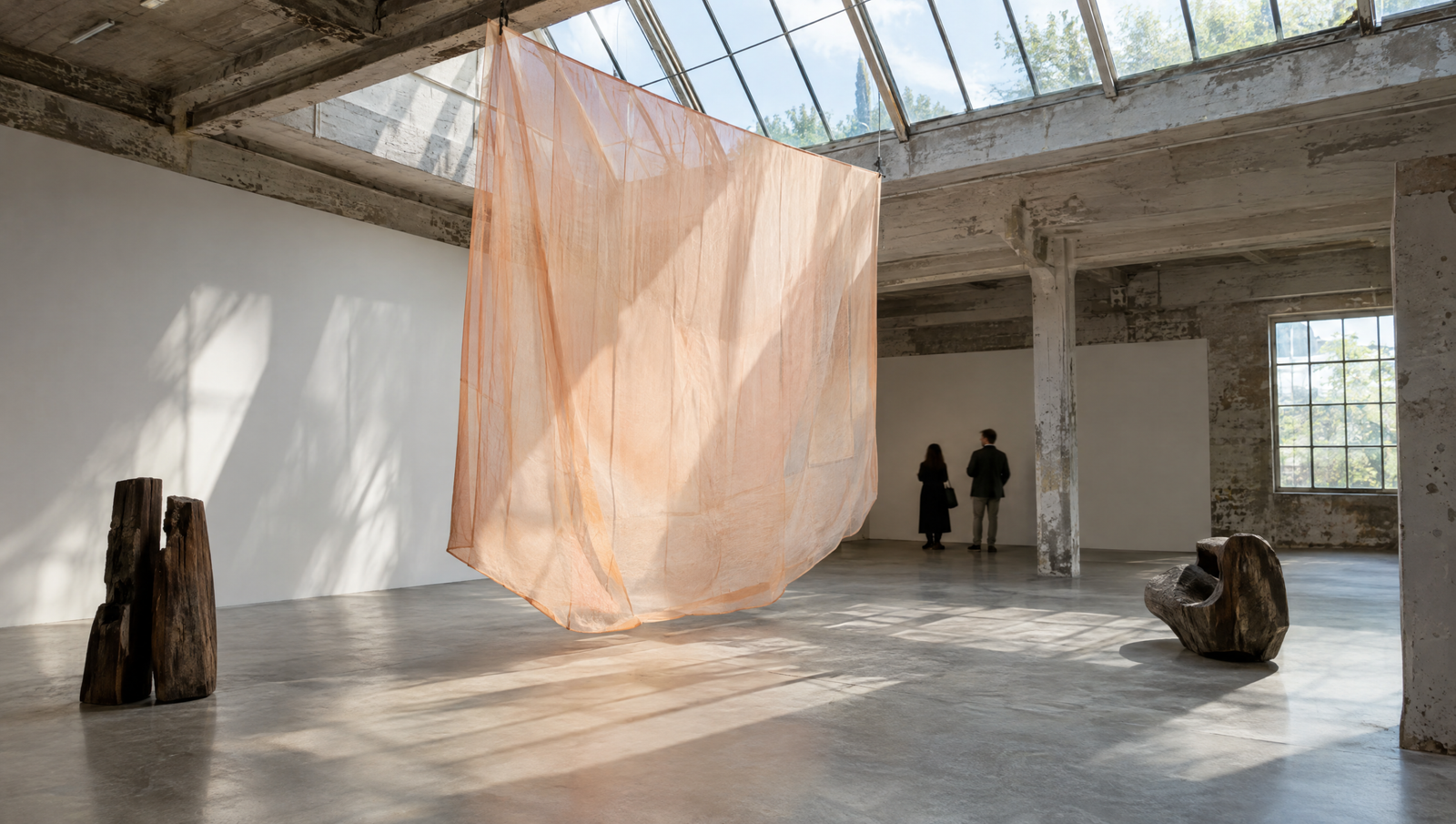
Frieze London runs from 14–18 October 2026. Alongside Artist-to-Artist, its Focus section presents younger international galleries and experimental programmes. Art Basel Paris, 23–25 October, includes an Emergence sector with sixteen solo presentations.
A solo presentation can make comparison easier: several works appear together, giving you more context than a single standout image. Look for the relationship between them. What does one work make you notice in another?
If you are visiting, give one presentation enough time to form a question. You can cover fewer booths and still leave with a useful discovery. Record the artist and gallery names so you can find the work again.
If you are following from elsewhere, use the official programmes to identify artists, then go to their gallery or studio websites. A fair announcement is the beginning of a research trail. Much of that trail remains available after the event.
These are examples of discovery routes, rather than a claim that every participating artist is at the same career stage. The work and its context still need individual attention.
Part 07 · Returning with a clearer eye
Keep a Shortlist and Let Your Interest Develop
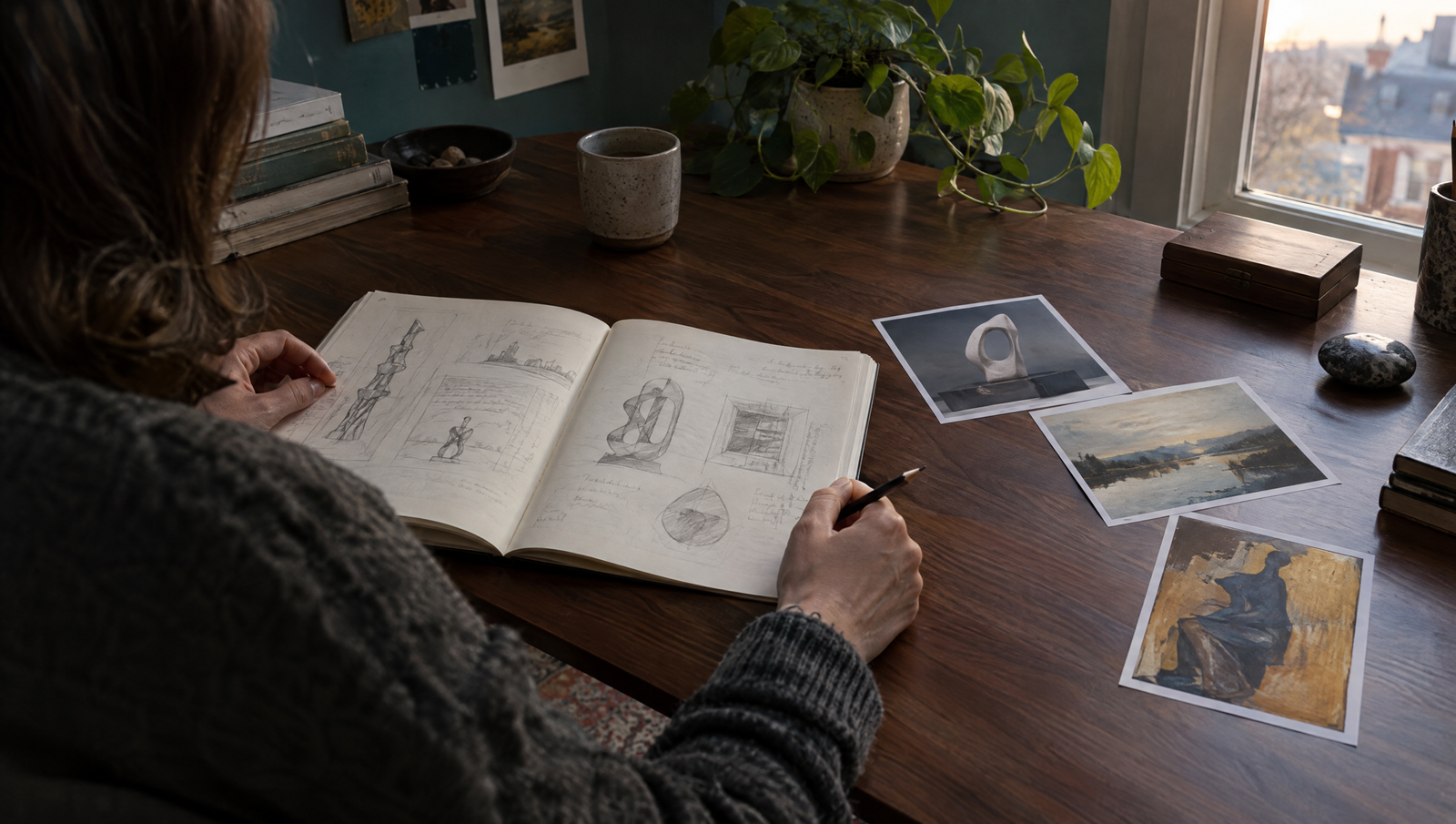
After an exhibition or an evening browsing portfolios, write down what stayed with you. Keep it simple: the artist’s name, a link, the work that interested you and one question.
“I liked it” is a start. “The pale areas made the dark shape feel suspended” gives you something to revisit. Keep the practical details too, especially dimensions; a small photograph can make scale difficult to imagine.
Return a few days later. Is your curiosity still there? Can you find more work that deepens it? Following an artist without buying immediately is a worthwhile way to build understanding.
If interest becomes an acquisition, move into the specific questions about the object: its identity, condition, documentation, care and total cost. Our first original artwork guide covers that next stage.
At Best Art, we want introductions to make that return possible. A feature should leave you with a clearer sense of the artist and somewhere to continue looking.
Begin with one unfamiliar name. Find a second work. Ask a question the first image could not answer. That is already a more useful discovery than knowing who everyone else is watching.
Find an artist whose work raises a question for you. Explore the individual practices featured at Best Art Gallery.
Frequently Asked Questions
Where can I discover emerging artists?
Start with independent galleries, open studios, artist-run spaces, graduate exhibitions and online portfolios. Follow a subject or material that interests you, and compare several works before deciding which artists to keep following.
Does an emerging artist have to be young?
No. The term generally concerns the development and recognition of a professional practice rather than age alone. Its meaning varies, so look at the artist’s actual working and exhibition history.
How can I research an artist I found on Instagram?
Find their portfolio or gallery page. Check artwork dates, materials and dimensions, compare pieces from a series and verify exhibition claims through the presenting organisation. Ask for detail or installation photographs when needed.
Do gallery representation and awards guarantee quality?
They provide context and may lead you to worthwhile work, but they do not settle your response to it. Investigate what each opportunity involved and spend time with the artwork itself.
Should I buy emerging art because its price might rise?
Future resale value is uncertain. Choose work you want to live with, understand the object and its care, and keep the purchase within a comfortable total budget. Career visibility is not a promise of financial return.
Emerging Artists
Art Discovery
Contemporary Art
Art Collecting
Images are AI-generated editorial illustrations of fictional people, invented artworks and imagined settings. They do not depict Paul Robas, named fairs or actual exhibitions. Event information checked on 13 October 2026.
