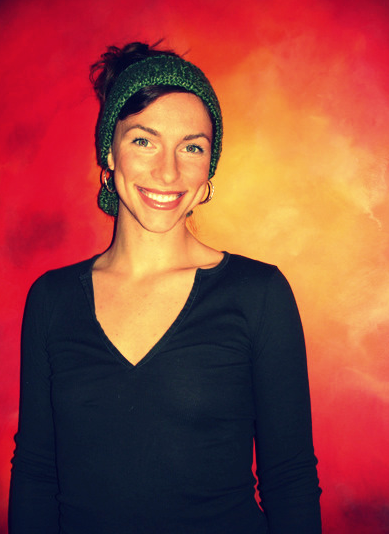
Nikao is a contemporary artist whose practice moves freely between expressive portraiture, abstraction, realism and street-art influences. Rather than defining herself through one particular medium or style, she follows the emotional direction of each idea. Colour, shape and personal experience form the foundation of her creative language, allowing individual works to carry several meanings at once.
Her materials are equally varied. Oil paint, acrylics, markers, coloured pencils, clay and wood all find a place in her practice. The choice depends on what she wants to express and how she feels when beginning a piece. Even in realistic portraits, Nikao is interested in more than technical accuracy. She explores the emotional possibilities of colour and form, searching for qualities that may not be immediately visible in the subject.
Nature is another recurring presence in her work. Yet her strongest creative influence comes from within. Although she finds inspiration in other artists, she believes in listening to her own instincts. For Nikao, making art is not simply a learned skill. It is a natural part of her identity, something she believes has been present within her since before she was born.
Nikao's relationship with creativity began long before she considered herself a practising artist. As a child, she developed a fascination with architecture. By fifth grade, she was already reading Architectural Digest and imagining a future designing buildings. Structure, composition and visual imagination captured her attention from an early age.
When her father expressed concerns about her mathematical abilities, that ambition gradually gave way to drawing. The change did not diminish her creative interests. Instead, it opened another way of exploring them. She began making portraits and expressive drawings, discovering that the desire to create could take different forms.
During college, a drawing professor recognised her abilities and encouraged her to pursue studies at the Art Institute of Chicago. However, she struggled to find the support necessary to follow that direction. She continued developing her skills through drawing and photography, but eventually completed two degrees outside the arts.
For years, she tried to build an identity around other professional interests. Yet creativity continued to return, regardless of the path she followed. Looking back, she understands that the search for another version of herself could never fully succeed. The creative person she was trying to set aside had always remained present.
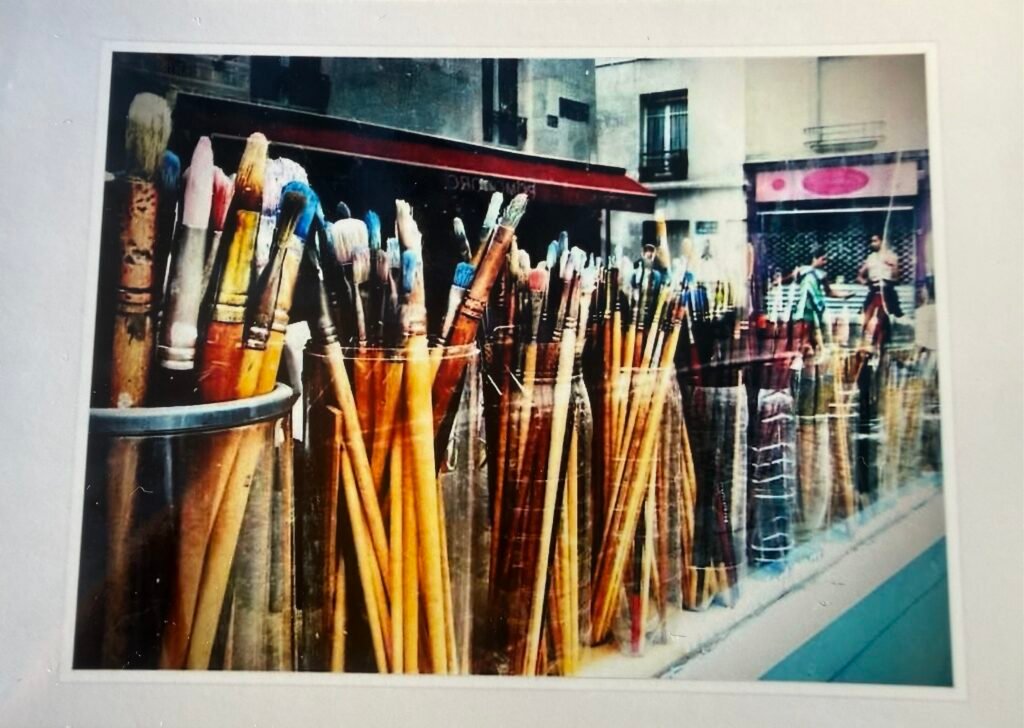
Even during the years when art was not her primary professional focus, Nikao continued to experience the world through a creative lens. Travelling often inspired her to photograph places and moments that caught her attention. She noticed details, compositions and possibilities for expression that others might overlook. Creativity remained part of the way she experienced everyday life.
In 2021, she decided to establish an art studio inside her home. The decision gave her a dedicated place to return to drawing, painting and experimentation. She initially began creating work for charitable purposes, hoping to bring encouragement to people facing difficult circumstances. These projects allowed her to rebuild her skills while connecting art with her desire to support others.
A difficult period of recovery following COVID later brought an unexpected turning point. Health complications kept her at home for extended periods, sometimes leaving her unable to go outside for months. During that time, art became an important way to express her experiences and examine the direction of her life.
The experience changed her priorities. She began questioning why she had spent so many years trying to fit into environments where her creativity felt unwelcome. As her physical condition gradually improved, she found herself becoming increasingly immersed in her artistic practice. What began as a return to an old passion developed into a renewed acceptance of who she had always been.
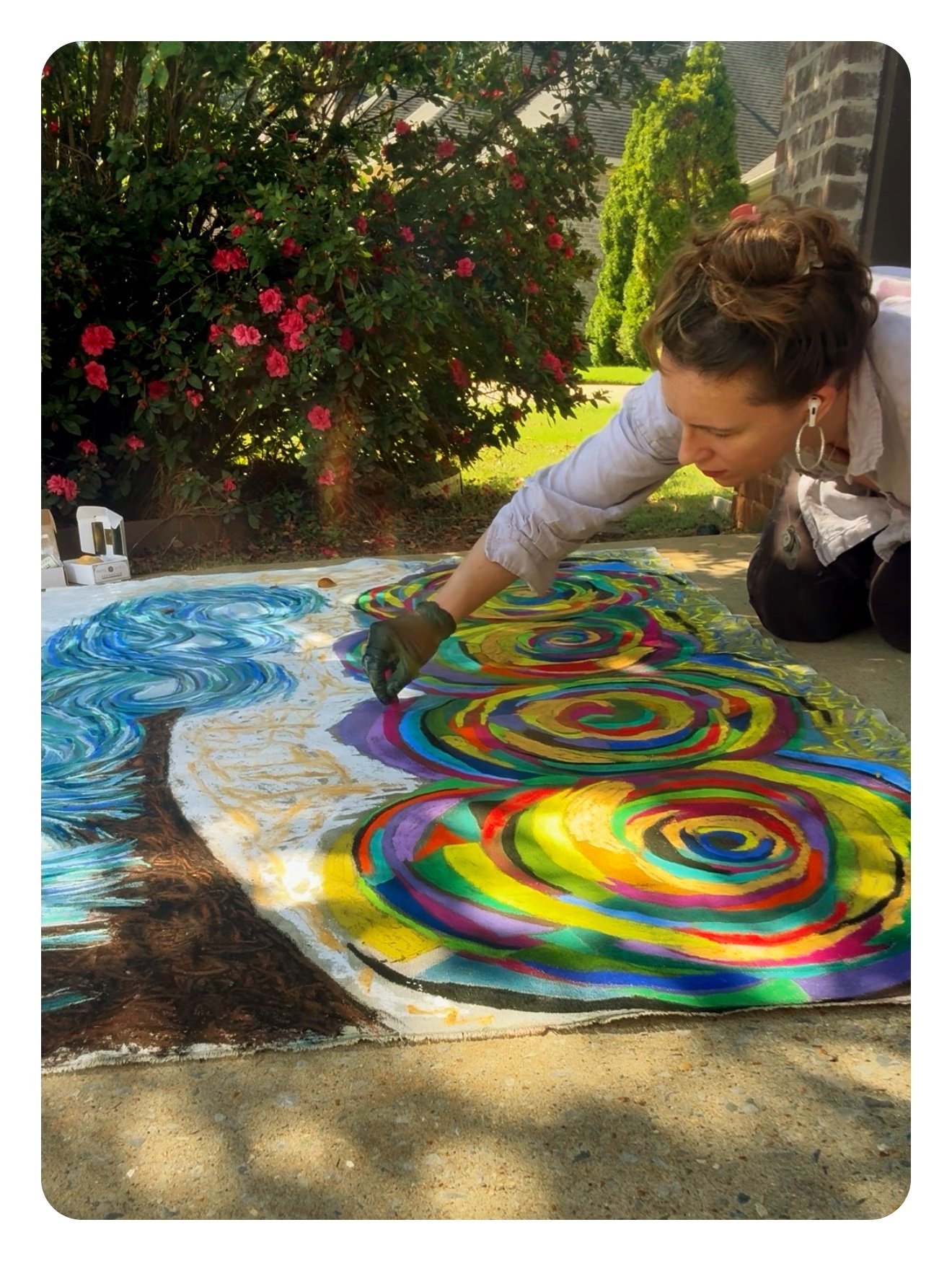
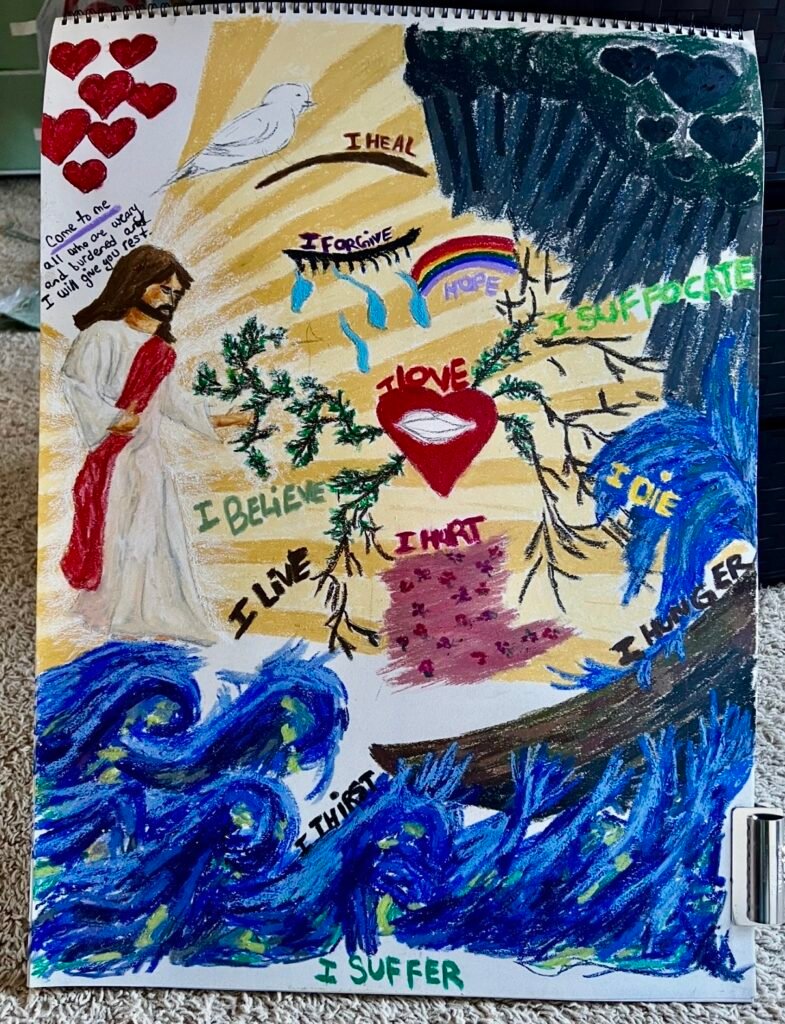
One of the defining characteristics of Nikao's practice is her interest in bringing several ideas and emotions together within a single composition. Her artworks do not always follow one narrative. Instead, different experiences can overlap, creating images that reveal new meanings as the viewer spends more time with them.
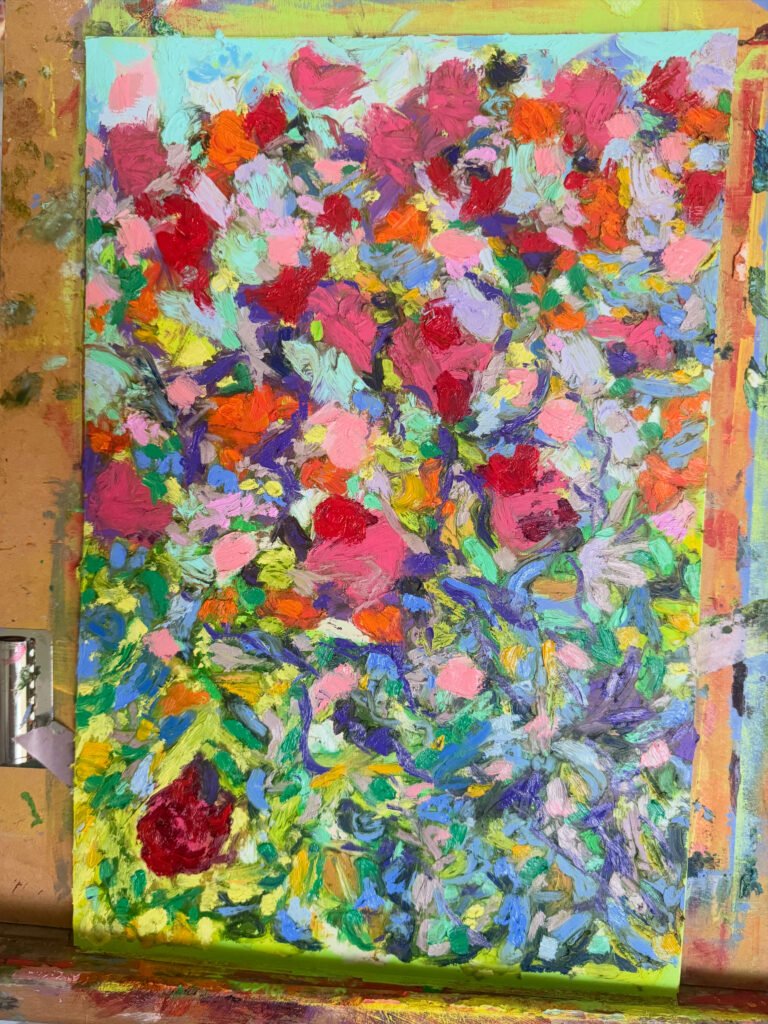
Her approach to materials reflects this openness. A subject may call for the precision of realistic drawing, the energy of street-art influences or the freedom of abstract expression. She moves between these possibilities according to the demands of the work rather than following a fixed artistic formula.
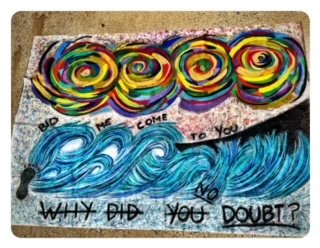
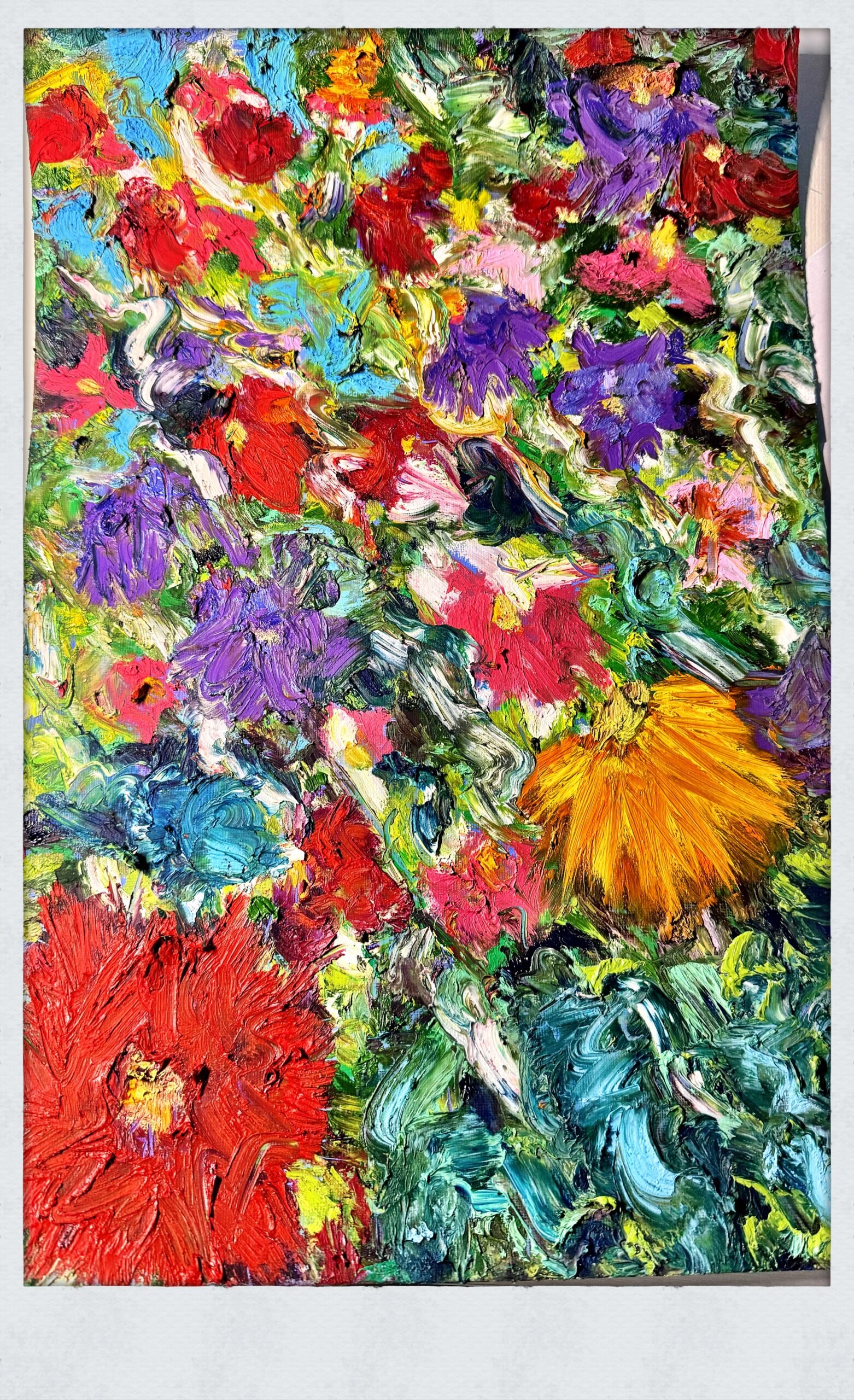
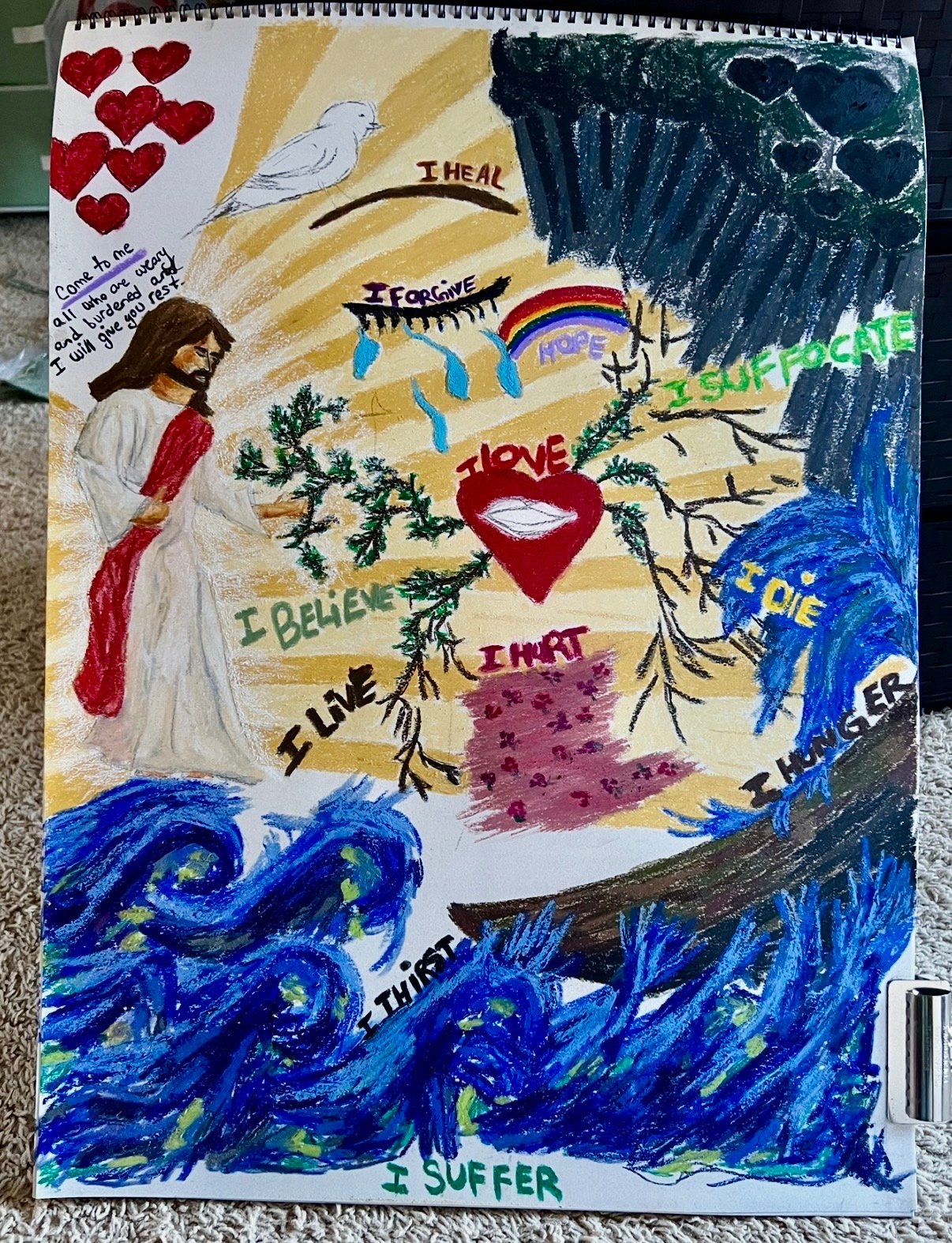
Shape plays a particularly important role. Nikao enjoys challenging familiar visual relationships, allowing forms to shift between recognition and abstraction. Colour becomes another expressive tool, communicating emotion while changing the way viewers interpret the composition. Written words sometimes enter her expressionist pieces, adding another layer to the visual language.
Nature continues to influence these experiments. Organic forms, natural structures and the emotional associations of the surrounding world provide material for exploration. Through these different elements, Nikao creates works that invite viewers to look beyond immediate appearances and consider the feelings or experiences beneath them.
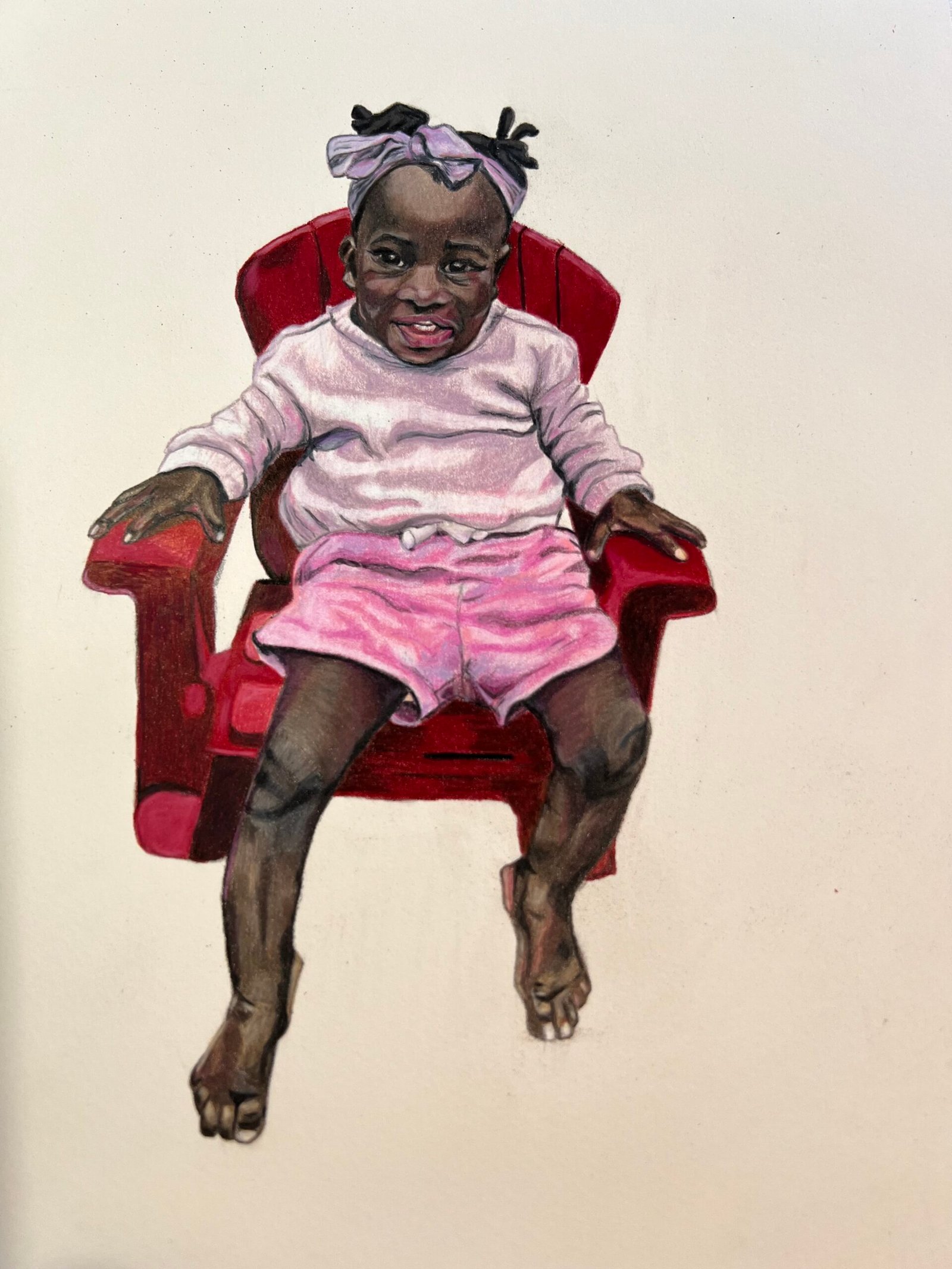
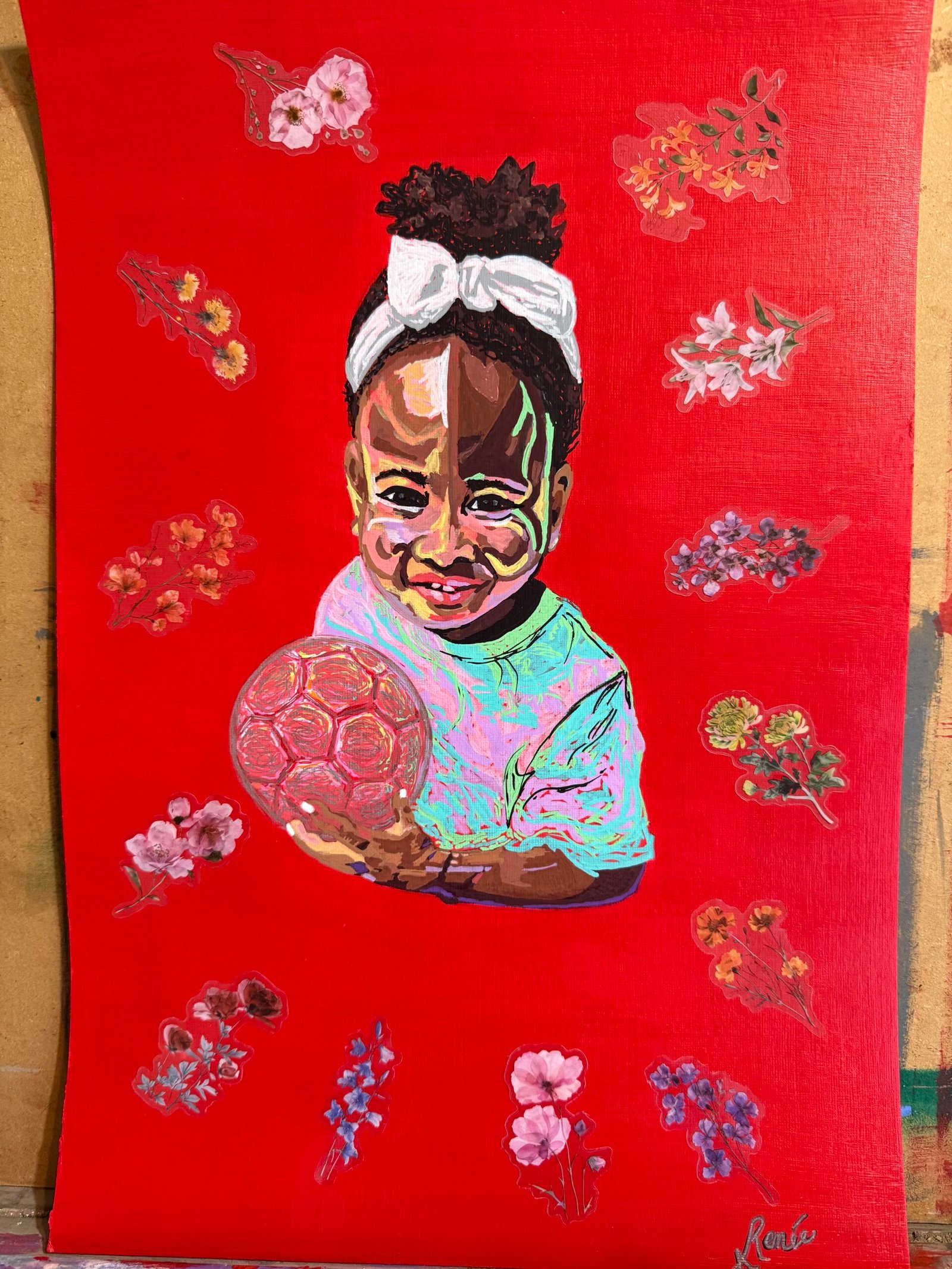
Portraiture offers Nikao a particularly personal way of interpreting the world. When she begins drawing or painting someone, she looks for colours that may not be immediately obvious. She considers the person's character, emotional presence and the qualities that make them individual. Her intention is not simply to reproduce a face, but to communicate something about the person behind it.
This approach allows colour and shape to move beyond their descriptive functions. A change in tone can suggest a feeling, while an unexpected form can reveal a different aspect of personality. Even when the finished work remains recognisable, its emotional character becomes just as important as its physical likeness.
Her abstract paintings take this exploration in another direction. Rather than focusing on a particular individual, she allows several personal experiences, social concerns and emotional struggles to meet within the composition. Words, shapes and colours become ways of expressing ideas that may be difficult to communicate directly.
For Nikao, contemporary art provides the freedom to approach the same world through different visual languages. A portrait can reveal something intimate about another person, while an abstract composition can hold several experiences at once. Both approaches reflect her interest in making emotions visible.
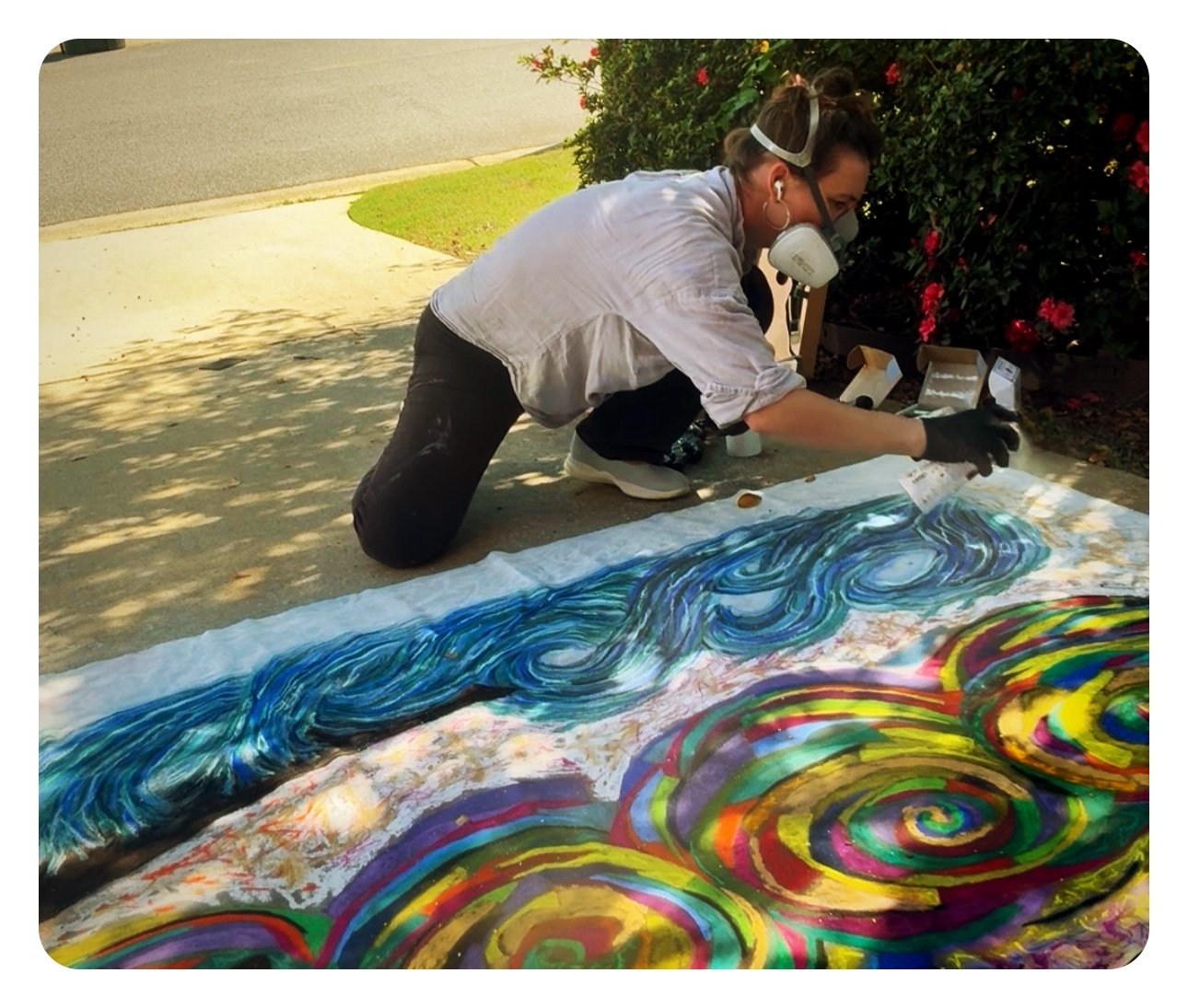
For Nikao, the desire to create comes from a deep appreciation for life and a need to express what she carries within herself. She finds inspiration in her own experiences, but also in the happiness and achievements of others. Moments of joy, resilience and personal triumph can become starting points for new work, giving emotional experiences a visible form.
Her artistic journey has involved changing ambitions, periods of discouragement and difficult personal circumstances. Yet the need to create has remained remarkably consistent. Even when her professional life moved in other directions, she continued to observe the world through the eyes of an artist.
That persistence now shapes her understanding of creativity. Art is no longer something she feels she must justify or fit around another identity. It has become a way of recognising the person she has always been. Her willingness to experiment with different materials and visual approaches reflects that growing freedom.
One of her favourite quotations, commonly attributed to Edgar Degas, captures an idea that resonates with her practice: "Art is not what you see, but what you make others see." The words reflect her interest in perception, emotional connection and the possibility of communicating something beyond the visible surface.
Ultimately, Nikao's work is about more than producing images. It is about allowing creativity to become part of everyday life, transforming personal experiences into expression and encouraging others to discover different ways of seeing. After years of searching for her place, she has returned to the artistic identity that was present from the beginning.