Archives

Hilary Saner — Between Revelation and Concealment

Hilary Saner
Practice & Vision

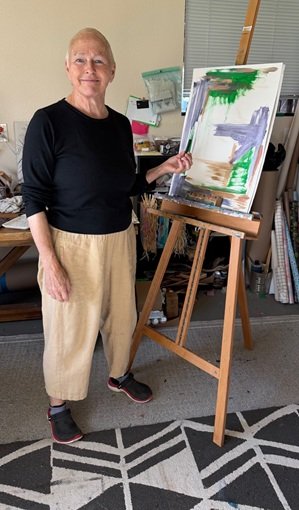
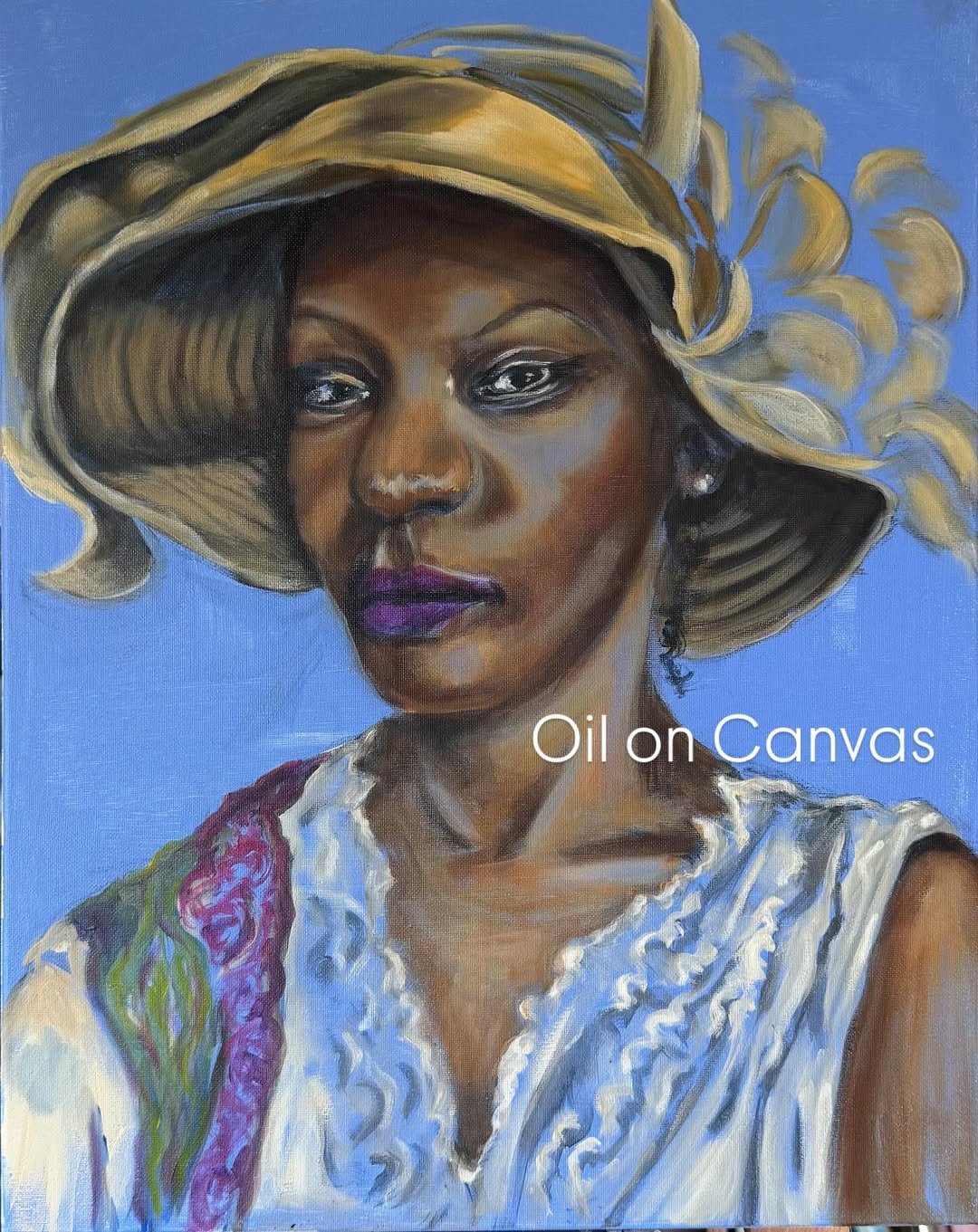
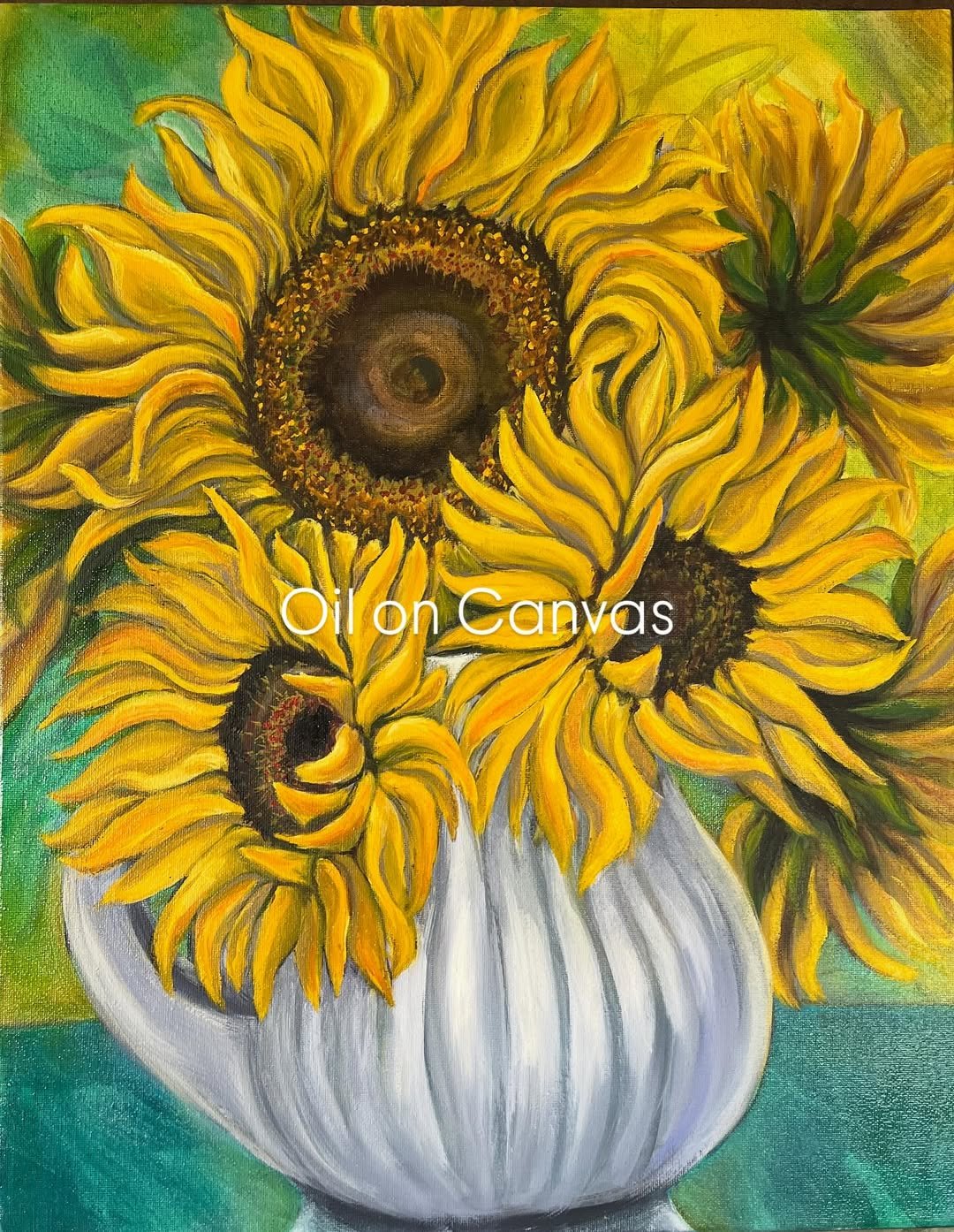
Hilary Saner is a South African-born contemporary artist whose practice moves fluidly between large-scale surreal representational paintings and intensely colored abstractions, creating a visual language rooted in intuition, symbolism, and layered emotional presence. Dividing her time between California and Hawaii, she works across oils, acrylics, watercolor, tissue paper, beads, and embroidery thread on surfaces ranging from canvas and wood to paper and board. Her process unfolds through rhythmic cycles of observation and gesture—looking, making a mark, stepping back, and returning again—allowing each work to emerge through an intuitive dialogue between structure and spontaneity. Whether working in abstraction or representation, Hilary approaches painting as a living conversation between artist, material, and viewer, reflecting her belief that life itself demands creative agency in response to uncertainty, turbulence, and transformation.
Hilary Saner
Journey & Process

Her artistic journey has been anything but linear. Before fully dedicating herself to painting, Hilary pursued an extensive academic and spiritual path, earning a Ph.D. in Education and Statistics from Stanford University while working in social science research, theological studies, community leadership, and founding a children’s center. A profound family tragedy unexpectedly redirected her life toward painting—not as a planned profession, but as an emotional and existential necessity. Through art, she discovered a language capable of holding what other disciplines could not fully contain: grief and wonder, memory and sensation, revelation and concealment. Drawn initially to the slow depth of oil painting and later expanding into mixed media, Hilary developed a practice where texture, collage, and layered surfaces mirror the complexity of memory itself.
Hilary Saner
Meaning & Memory

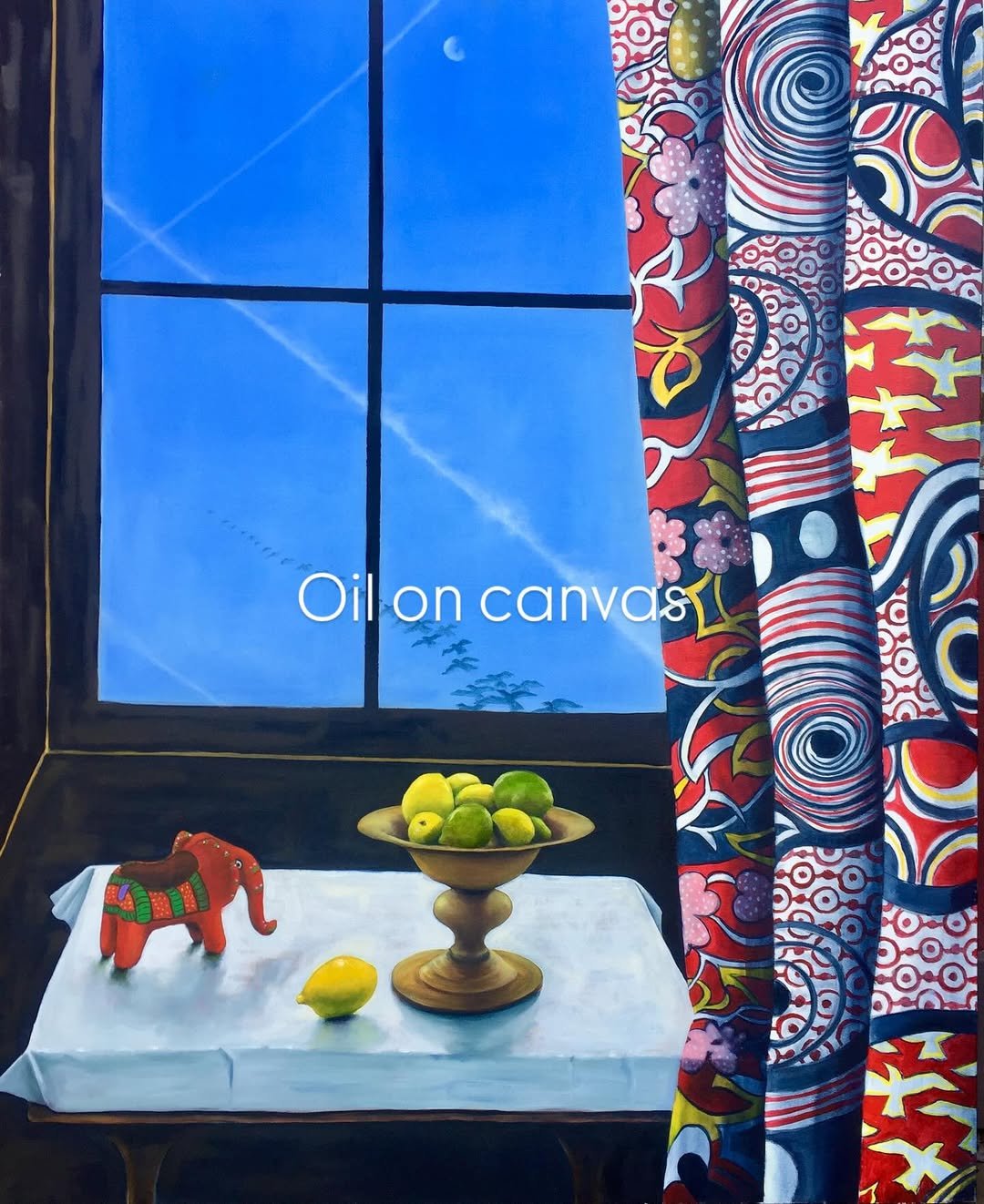
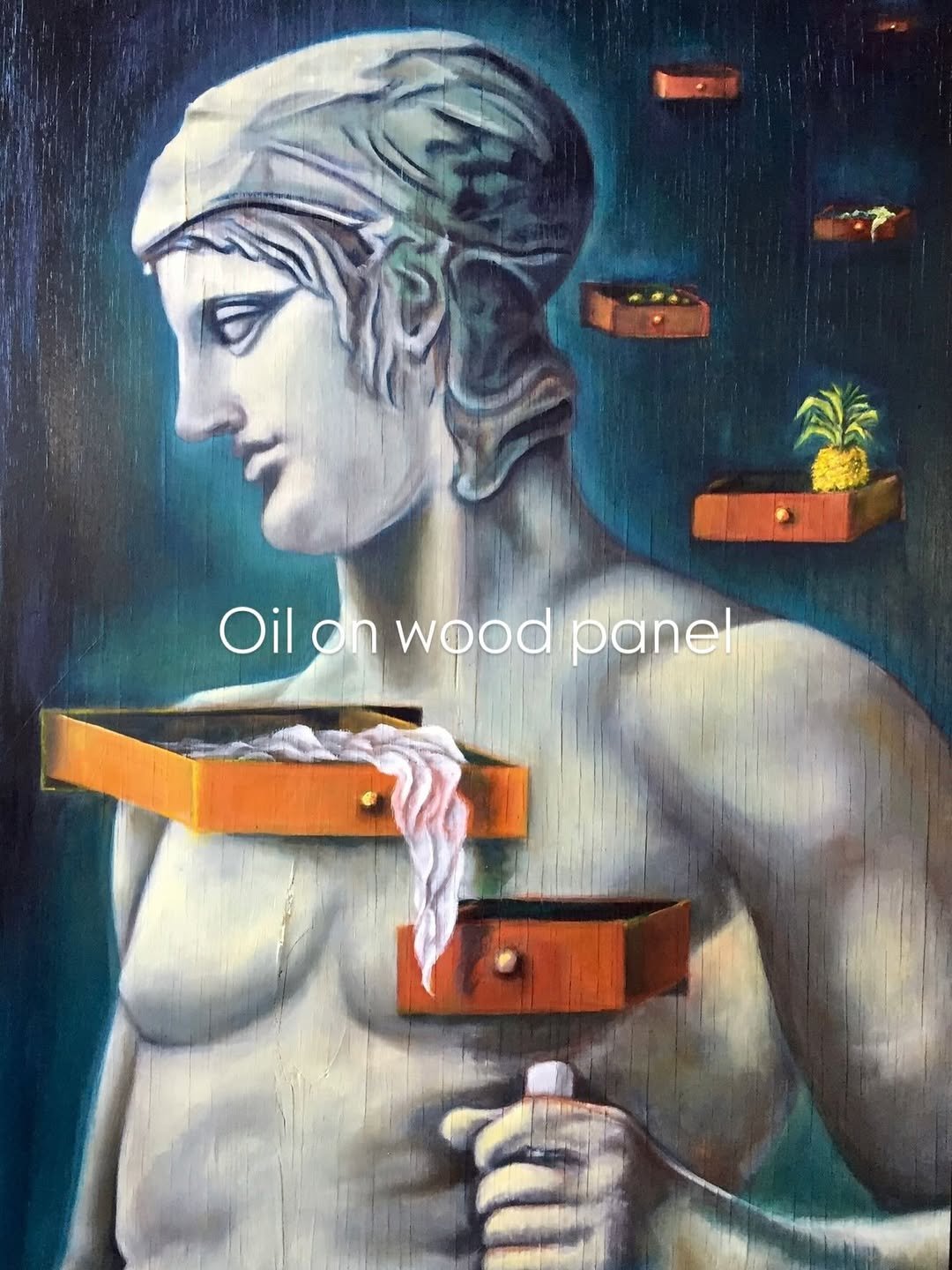
Within her work, nothing exists only at surface level. Still lifes become symbolic meditations, abstractions carry hidden narratives, and ordinary objects transform into emotional thresholds. Themes of concealment and disclosure run throughout her paintings, where meaning often emerges gradually—like a secret being slowly revealed through color, texture, and form. Her experience living between cultures has further shaped this sensitivity, deepening her awareness of what is visible versus what remains encoded beneath perception. Balancing analytical rigor with contemplative intuition, Hilary’s work carries both compositional structure and emotional openness, allowing logic and mystery to coexist within the same visual space.
Hilary Saner
Color & Transformation

Driven by a deep love for color and the transformative power of sustained attention, Hilary creates paintings that resist the speed of contemporary life. She believes painting possesses a rare ability to make viewers pause, remain present, and reconnect with their own humanity. Vibrant, layered, and emotionally charged, her work invites viewers into spaces where memory, symbolism, and emotion quietly unfold over time. Through this process, Hilary Saner continues to explore not only how the world is seen, but how meaning itself is continuously discovered beneath its visible surface.
Manon Louve — Sculpting Memory, Fragility, and Silent Presence Through Clay

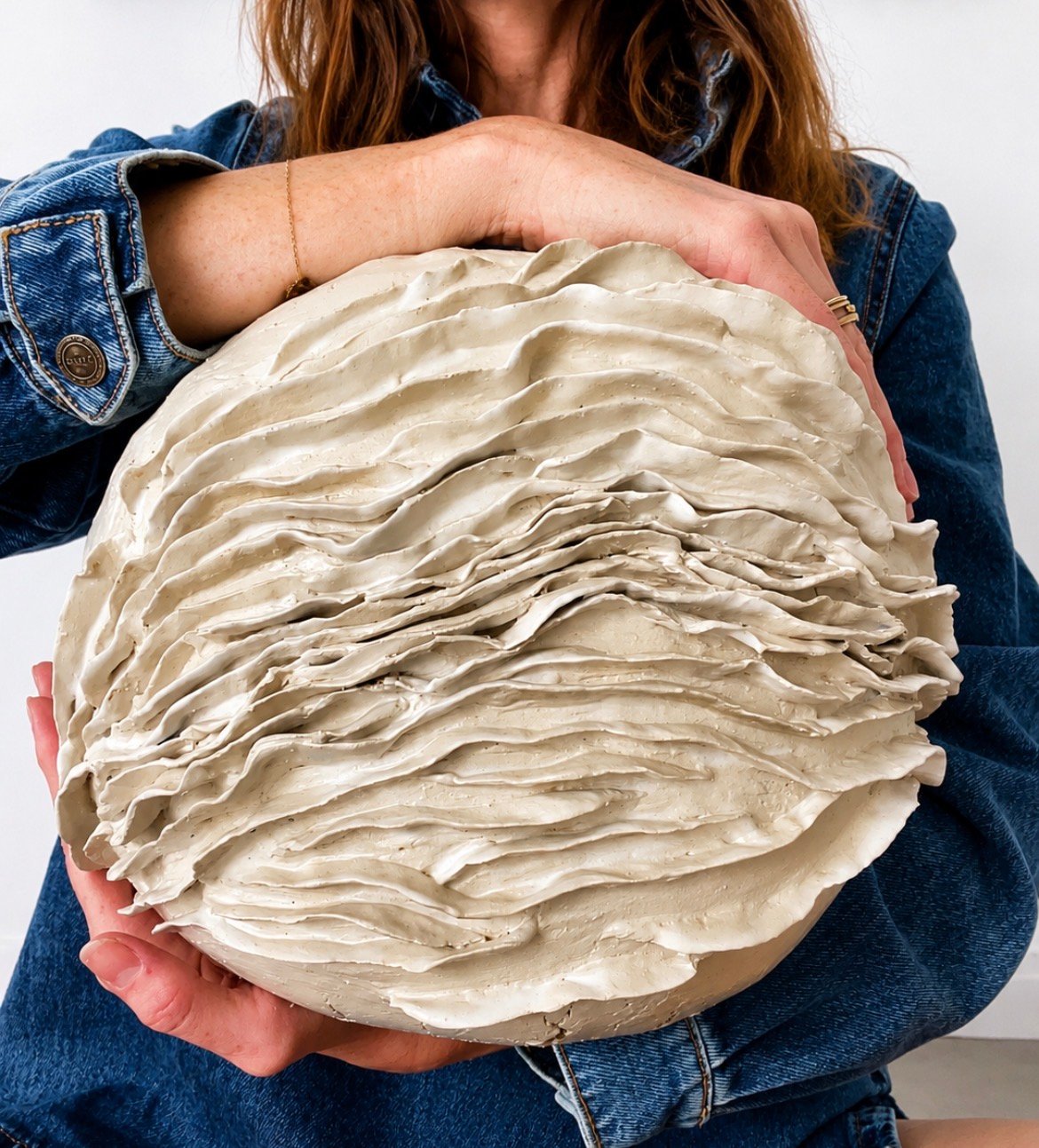
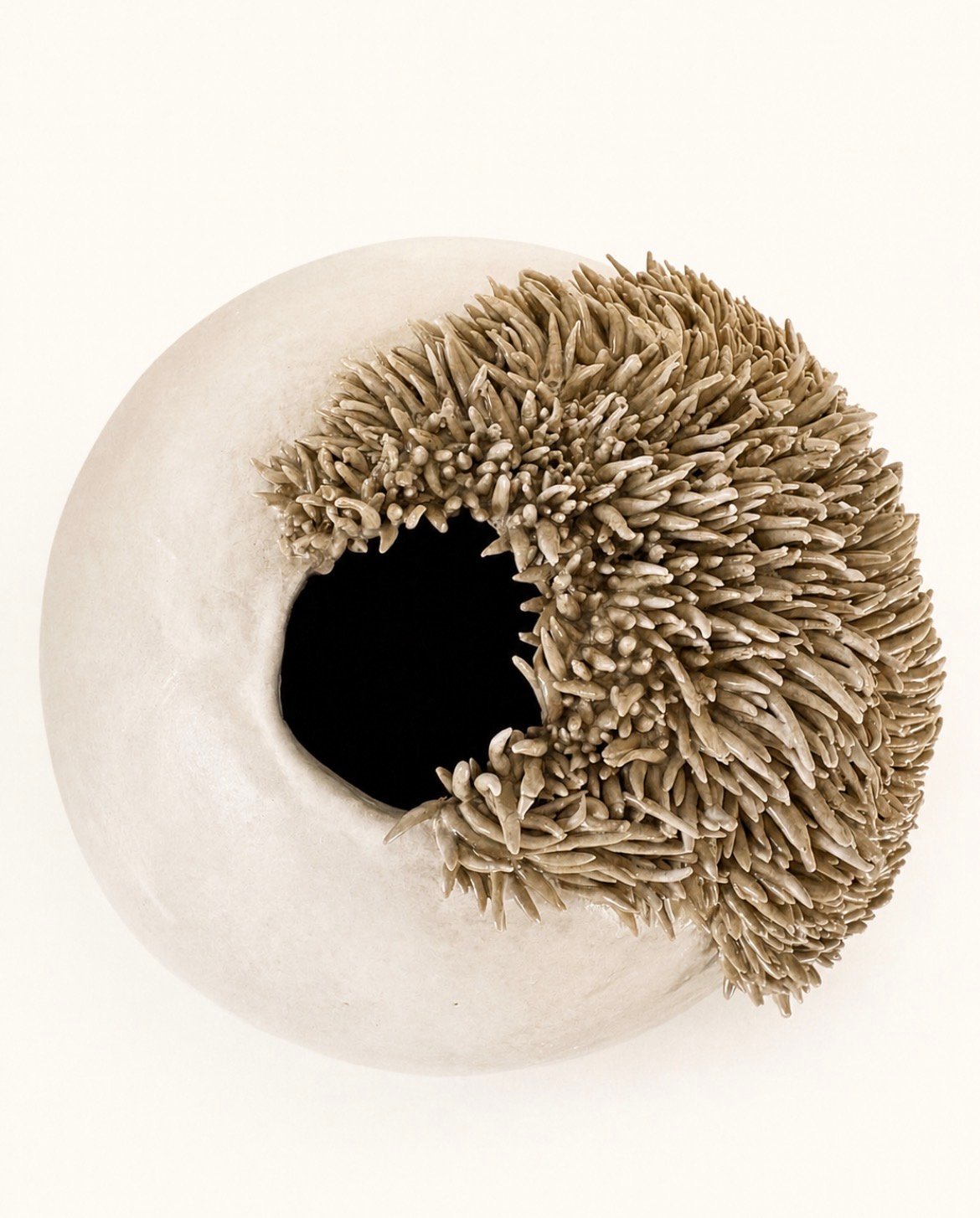
Manon Louve ceramic sculpture
Practice & Vision

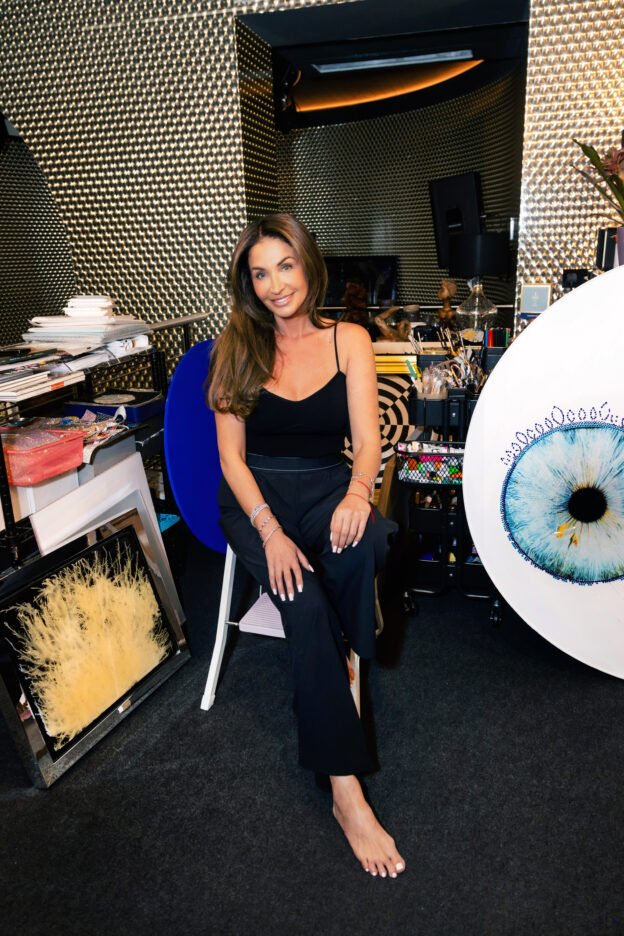
Manon Louve is a French ceramic artist whose practice exists at the intersection of contemporary sculpture and functional design, creating stoneware works that explore memory, fragility, transformation, and the emotional resonance of material itself. Working entirely by hand, her sculptural universe is shaped through slow, instinctive processes where irregularities, imprints, and traces remain intentionally visible—allowing each piece to preserve the physical history of its own creation.

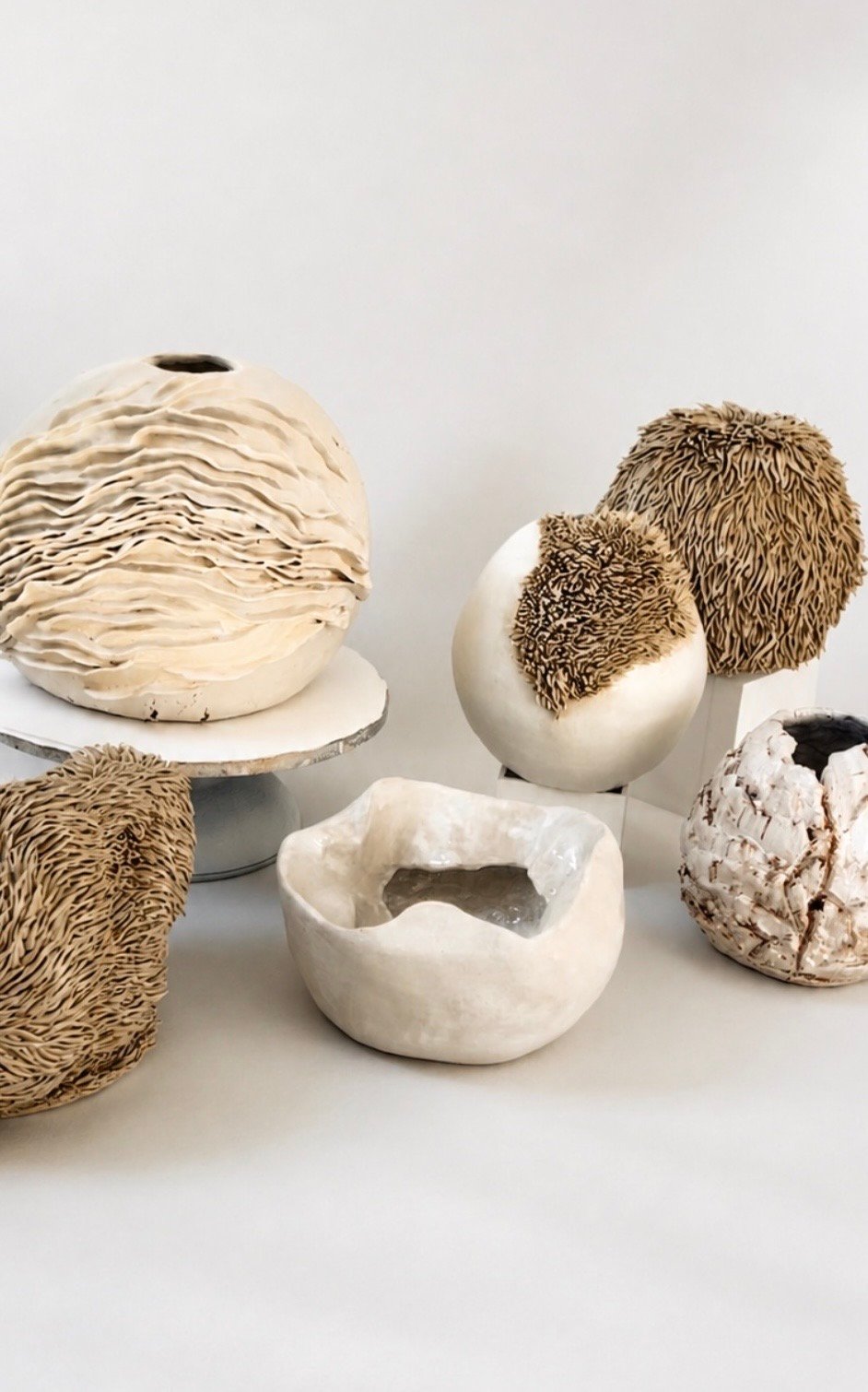
Manon Louve polaire series
The p ø l a i r e Series

Her artistic journey emerged through a deeply personal exploration of gesture, body, and clay. This intimate relationship with clay continues to guide her practice today, particularly within her evolving p ø l a i r e series, where themes of climate change, fragile ecosystems, and disappearing landscapes become central. Through cracked white surfaces, soft illuminated forms, and textures reminiscent of ice, fur, and erosion, Manon Louve constructs works that carry a quiet tension between softness and collapse, beauty and disappearance.

Manon Louve art and life
Art & Everyday Life

Deeply inspired by cold landscapes, mineral textures, the sea, and the vulnerability of the human body, Manon Louve approaches ceramics as both a meditative and emotional act. Existing intentionally between art and functionality, her pieces are designed not only to be observed, but to inhabit everyday life—allowing sculpture to become part of human experience itself. Guided by the belief that material can communicate beyond language, her works resonate through silence, atmosphere, and presence.

Fatima Abd Eldayem — Where Architecture, Technology, and Artistic Vision Converge

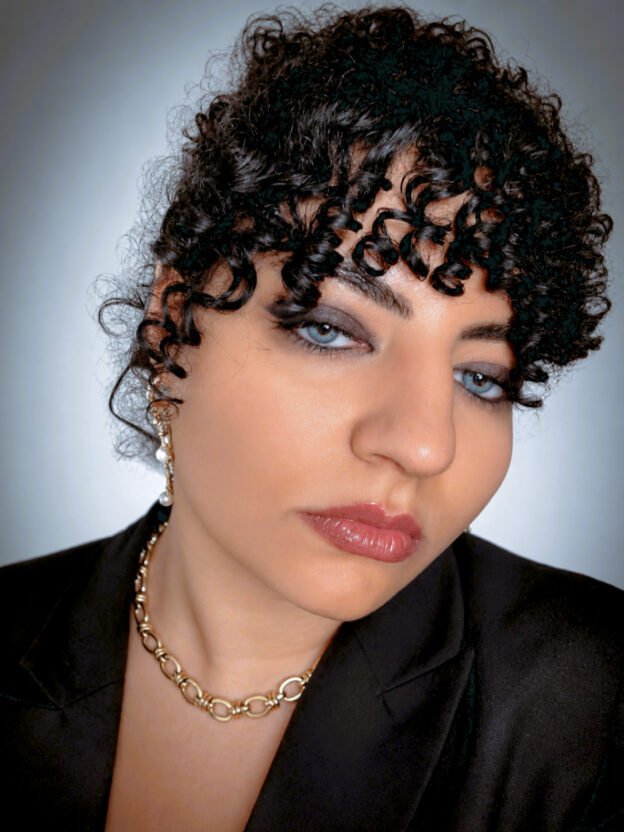
Fatima Abd Eldayem is an Austrian architect, artist, and computational designer whose work exists at the intersection of art, technology, and experimental architecture. Her creative journey began in childhood through an early fascination with painting and drawing, evolving from “paint by numbers” templates into highly detailed realistic portraits created with graphite, colored pencils, watercolor, acrylics, and oil pastels. Inspired deeply by the calming imagination of Bob Ross and driven by a constant curiosity for artistic experimentation, Fatima developed a visual sensitivity that would later become the foundation of her architectural and digital design practice.

At the age of sixteen, she discovered architecture as a way to merge artistic expression with purposeful design, leading her to pursue architectural studies at the University of Innsbruck, where she is currently completing her master’s degree. Today, her practice focuses on experimental and computational architecture, combining artistic thinking with advanced digital technologies to explore new spatial possibilities. Artificial intelligence frequently becomes part of her early conceptual process, later evolving through computational tools such as Houdini, Grasshopper, Rhino, and TouchDesigner to transform abstract ideas into immersive visual realities.

Central to Fatima’s work is a fascination with voxel-based geometries, fractal structures, and layered complexity. She is deeply drawn to patterns, details, and systems, believing that the true beauty of architecture lies within these intricate relationships. Her work navigates the space between realism and abstraction, organic emotion and digital precision, creating environments that feel both futuristic and emotionally resonant. Rather than approaching architecture solely as construction, she sees it as an atmospheric and sensory experience capable of shaping human perception and emotional connection.

What motivates Fatima is the ability to transform imagination into immersive visual experiences that communicate beyond language. Through her artistic and architectural practice, she continuously explores how technology and creativity can coexist to redefine the future of design while remaining deeply human at their core. Guided by curiosity, discipline, and experimentation, her work reflects a generation of contemporary creatives redefining architecture not only as a physical structure, but as a living emotional experience shaped by light, complexity, and perception.

Agnes Burguera — Painting the Emotional Landscape of Light and Memory

Agnes Burguera’s artistic journey began in childhood, shaped by a profound realization that art could be both a calling and a lifelong path. Since then, painting has remained a constant presence in her life, evolving through formal training at the University of Barcelona and further studies at The Cooper Union. Alongside her artistic practice, her work as an art teacher and her training in psychology have added a unique depth to her visual language—rooting her work in an exploration of human behavior, emotional complexity, and inner transformation. More recently, the experience of motherhood has introduced new layers of clarity and sensitivity, reshaping both her perspective and creative direction.

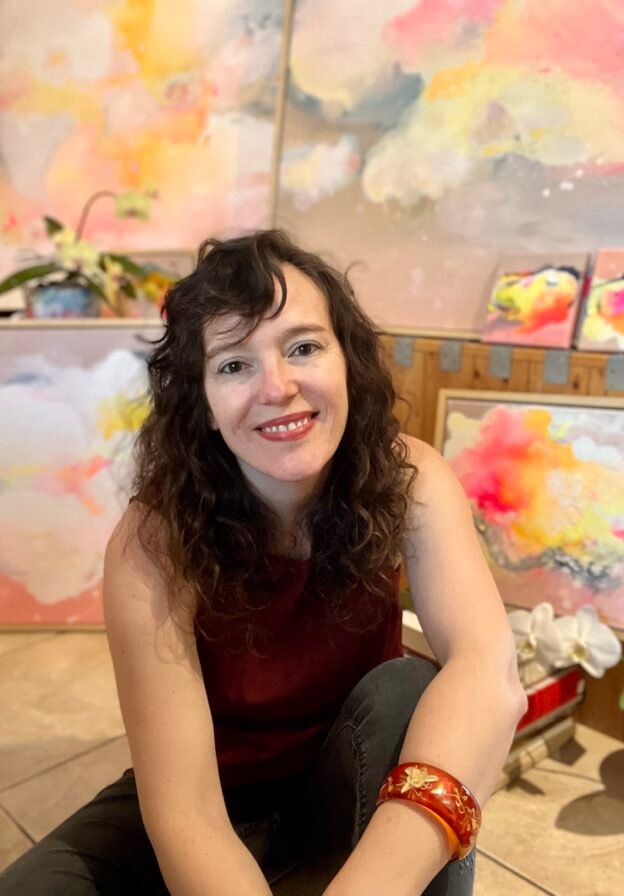
Her ongoing exploration of clouds began in 2018 as a deeply personal response to space and light. Living in a dimly lit home, Agnes sought to bring the sky indoors, initiating a process that evolved into a long-term artistic inquiry—the pursuit of what she describes as the “perfect cloud.” During lockdown, this exploration intensified through daily observation, photography, and later translation onto canvas. What initially began as a pursuit of realism gradually transformed into something more intuitive and emotional, where representation gave way to storytelling and sensation. A pivotal shift occurred during her pregnancy, when her work moved toward abstraction—redirecting the search for light from the external world to an internal, emotional space.

Her process reflects this philosophy. Each painting often begins with a darker underlayer—an essential foundation that is gradually veiled by luminous tones of pastel, pink, and yellow, sometimes interrupted by sharper, acidic notes. This layering becomes symbolic: a negotiation between shadow and light, between what is hidden and what is revealed. In some works, darkness remains visible, embraced as part of the composition; in others, it dissolves beneath softer tones that speak of healing, love, and the desire for emotional balance. For Agnes, clouds are more than atmospheric forms—they are emotional cartographies, inner portraits that map the complexities of feeling. Her recent works further explore this duality by softening even the light itself, suggesting that intense emotions—both painful and joyful—are often moderated to become more bearable within the human experience.

Driven by an instinct that feels both natural and inevitable, Agnes describes painting as an unstoppable force in her life—something that requires no external motivation. It is through this practice that she finds coherence between her experiences, transforming them into visual narratives that are both deeply personal and universally resonant. Her work embodies the idea that art is not only a means of expression, but a way of understanding and returning emotion to the world in its most distilled and meaningful form.

IOS -Contemporary Abstraction

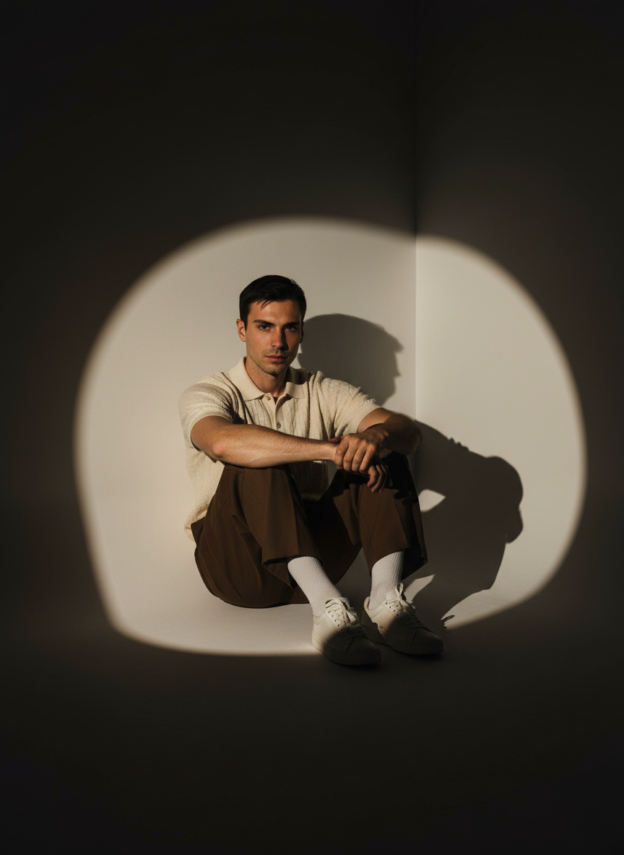
Contemporary Abstraction as Emotional Translation. IOS works within contemporary abstraction, using form, movement, and contrast to explore emotional and physical presence through a refined and disciplined visual language. His practice is rooted in intuition yet carefully shaped by control, creating a balance between spontaneity and structure that defines each composition. Influenced by a background in movement and visual arts, IOS approaches every piece as an energetic convergence of gesture, body, and material, transforming the surface into a space where emotion becomes visible.

His artistic journey began with an early connection to visual expression, later evolving through performance experiences and structured training, ultimately leading him toward abstraction—not as a departure from reality, but as a deeper engagement with it.

Mona – A Journey of Intuition

Mona’s journey into contemporary art is rooted not only in creativity, but in lived experience shaped by responsibility, resilience, and self-trust. Born in Berlin and becoming a mother at the age of 21, her early life demanded clarity, independence, and the courage to follow her own path—regardless of external expectations. While creativity had always been present, it was during the stillness of the COVID lockdown that she fully reconnected with painting, transforming a personal rediscovery into a defining artistic turning point. Through an intuitive breakthrough, Mona developed her signature technique using fluid acrylics and blowing methods, establishing a distinctive visual language within contemporary abstract art.

Sarah Laverone — Light, Energy

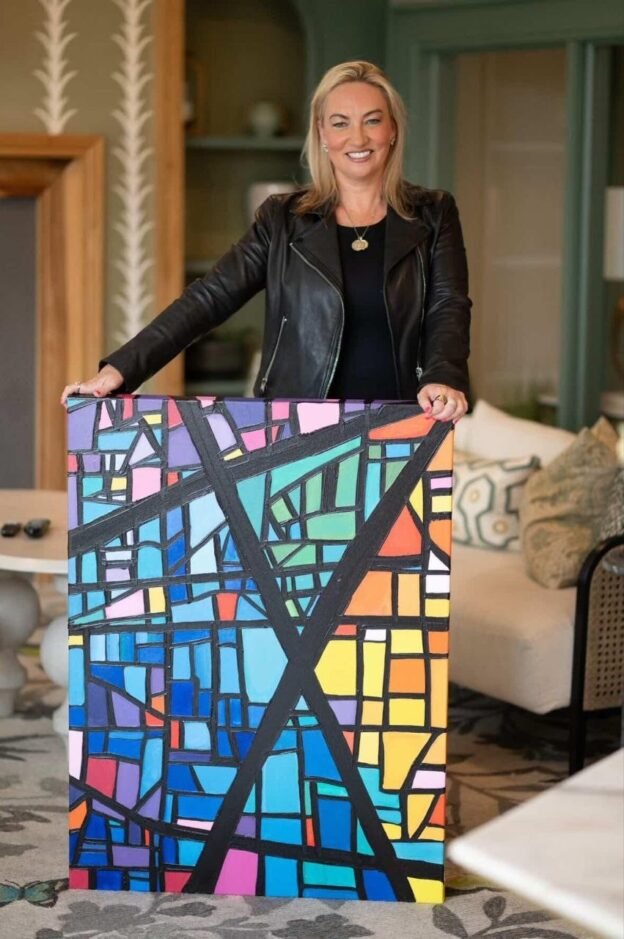
Sarah Laverone is a lifelong creative whose artistic voice finds its most powerful expression through oil on canvas, where bold contemporary abstraction becomes a space for energy, emotion, and light to unfold. Since launching her studio, Sarah Laverone Art LLC in March 2025, her journey has felt like a natural and almost destined evolution—transforming a deeply personal passion into a body of work that resonates outward. Her current series, including “Let There Be Light,” draws inspiration from the luminous beauty of stained glass windows, translating their fractured geometry and radiant glow into layered compositions of translucent oils. Through glazing techniques, shifting facets, and vibrant color relationships, her work captures fleeting moments of reflection and transforms them into living visual experiences that evolve with their surroundings.