14
June
Painting Is Dancing With the Hands — The Emotional Portraits of Pilarcho Yanguas
Why Great Art Is No Longer Enough in 2026 | Best Art Gallery
- 24 May
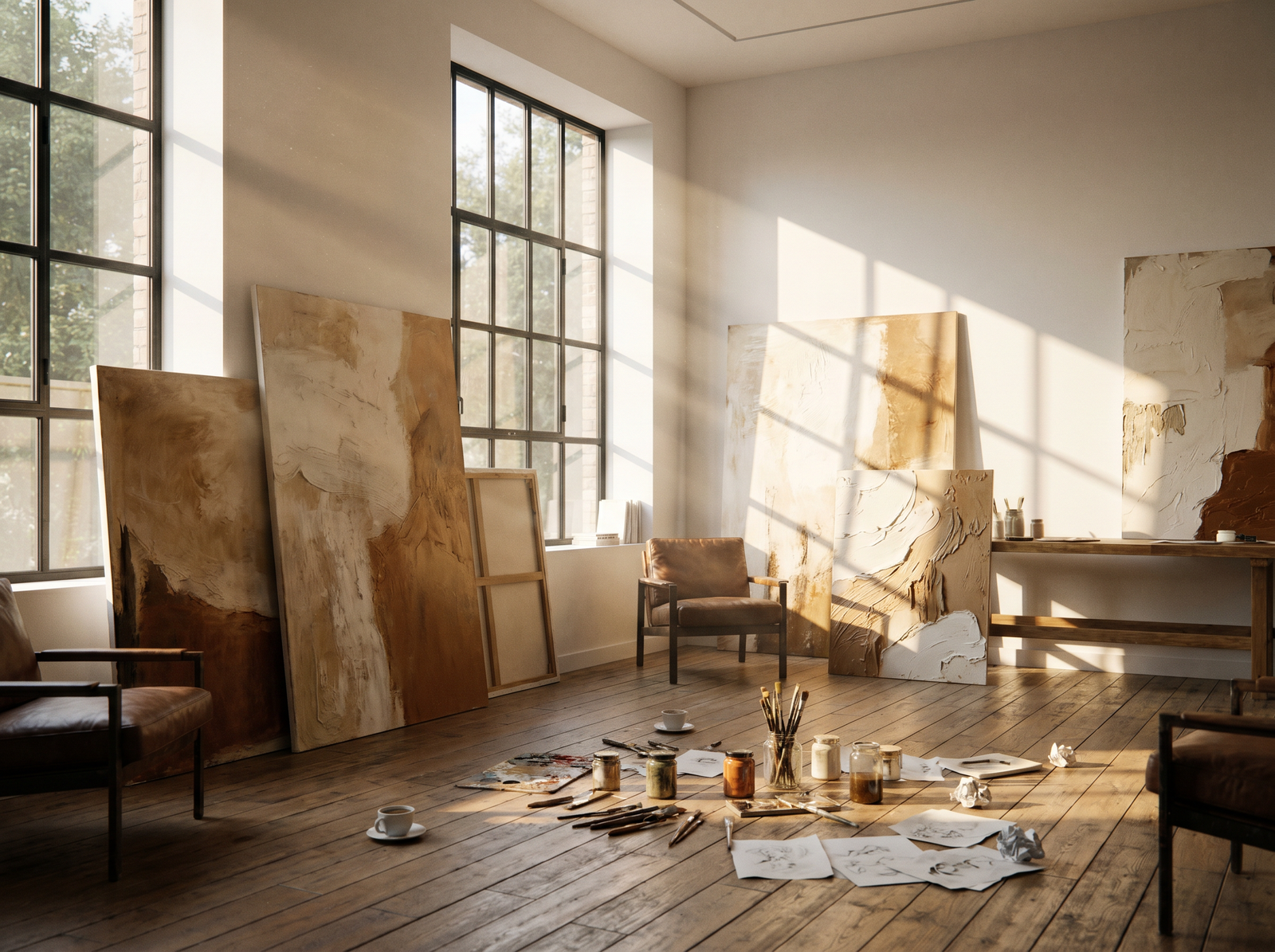
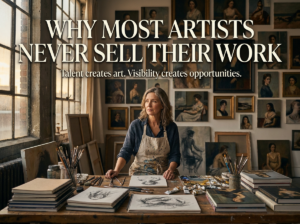
Why great art is no longer enough — this is the uncomfortable truth reshaping how artists survive and thrive in 2026. Talent has always mattered. But talent alone no longer differentiates you. In a world where thousands of extraordinary works are produced daily and algorithms decide what gets seen, quality is simply the price of entry. The real game is being played somewhere else entirely.
We are living through what some are calling the collision economy — a cultural landscape where images don't just exist, they compete. Every scroll is a contest. Every post is a bid for attention in a market that is structurally designed for disposability. The question artists must now answer isn't only how do I make better work? It is: how do I make work that creates lasting cultural contact?
Here is what the market is telling us — and what every artist working today needs to understand.
Shift 01
The 50/50 Rule: Making the Work Is Only Half the Job
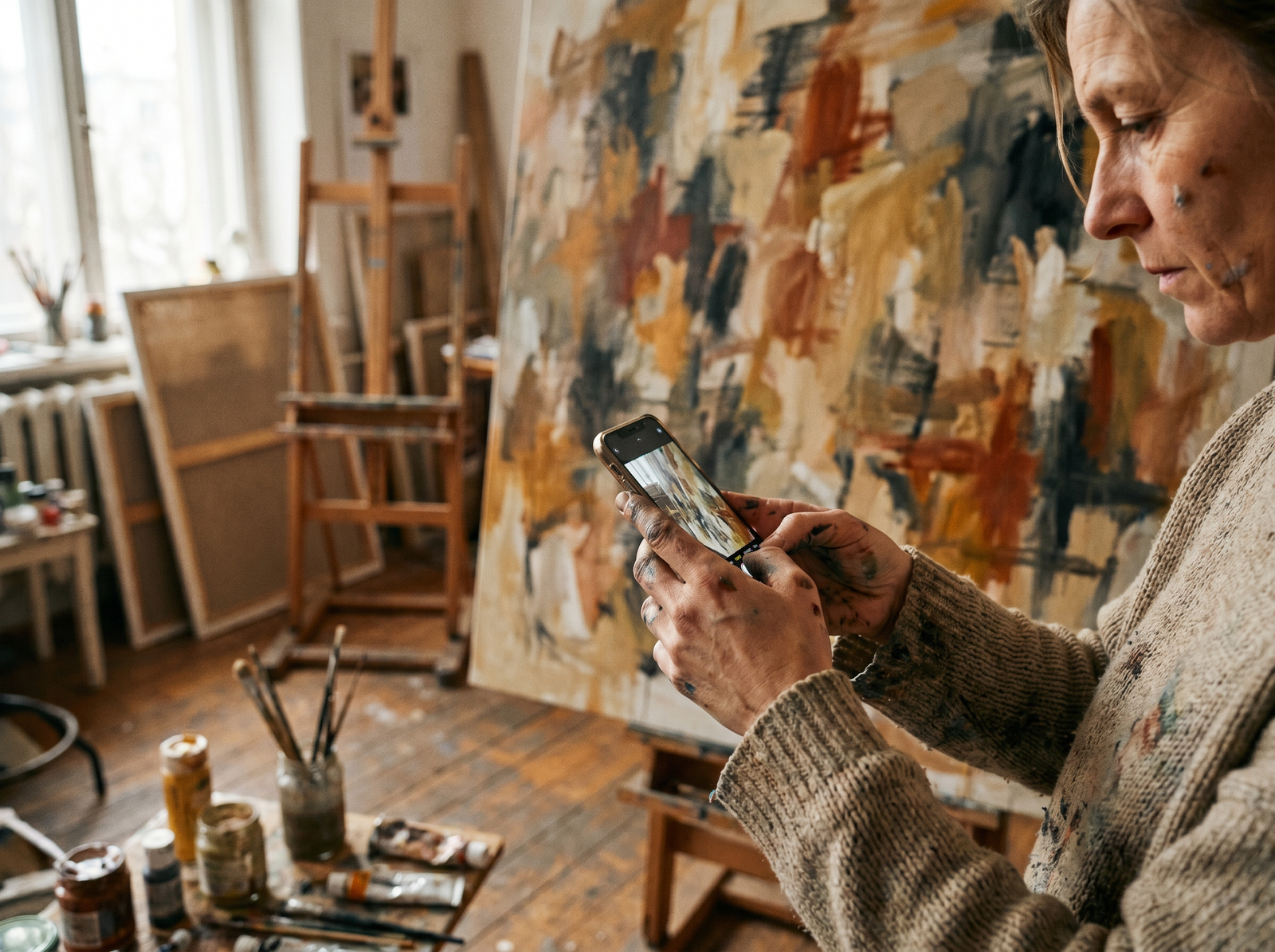
For generations, artists were told the studio was sacred and the rollout was secondary. Someone else would handle the framing, the narrative, the reach. That mindset is now a career-killer.
In 2026, the energy you put into how the work hits the world must match the energy you put into making it. This is not about hype. It is not about gaming an algorithm. It is about the architecture of your presence — the framing, the narrative tension, the entry points you build so that people can actually find their way into what you are doing.
Think about it this way: a masterpiece sitting in a locked studio is invisible. The Invitation — your documentation, your story, your deliberate context-setting — is the bridge between the work and the world. Without it, you have created something profound for an audience of zero.
When you split your focus equally between making the work and making the meaning, the work starts to move. Not because you have compromised the studio, but because you have finally stopped assuming that great art finds its own audience. In 2026, it does not.
"Quality is the baseline. Visibility is the strategy. In 2026, the artists building real careers are the ones who understand the difference — and act on it."
Shift 02
The Market Is Rewarding Human Imperfection Over Digital Perfection
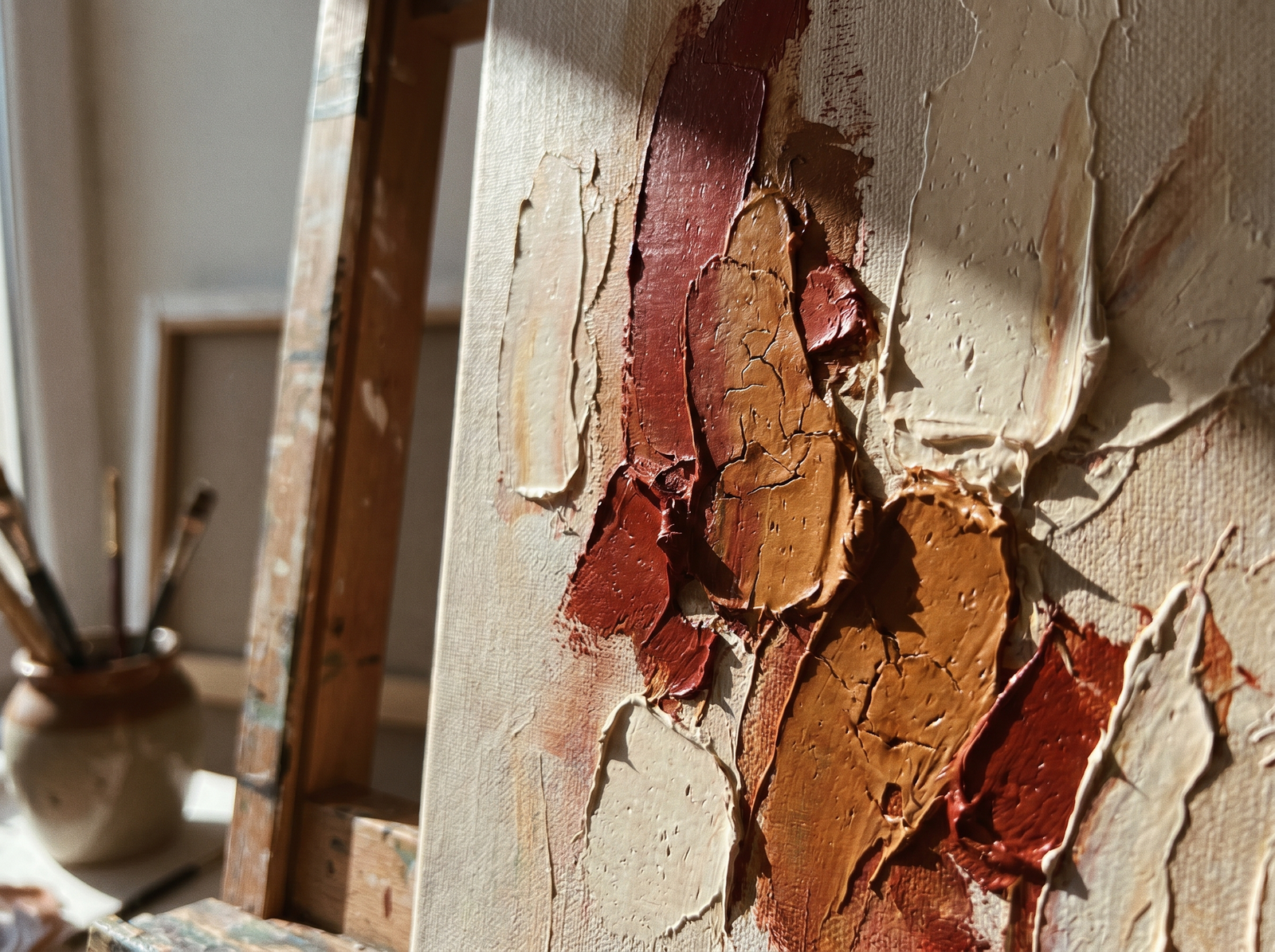
Something significant is happening at auction and on gallery waiting lists: the most compelling work being bought right now is unmistakably human. Raw naïve painting. Visible brushwork. Loose lines and awkward proportions that would once have been edited away are now being treated as markers of authenticity and authorship.
This is not nostalgia. It is a recalibration. After a decade shaped by algorithmic polish and frictionless digital production, collectors are actively seeking work that proves a human was here. The imperfections are the point. They signal risk, intuition, and the kind of presence that no AI tool can manufacture.
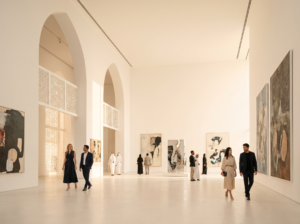
Across conversations with curators, collectors, and studio artists, a clear pattern has emerged for 2026's most resonant art trends: the work that is generating real demand is work that demands physical presence — not just eyes on a screen. The pendulum has swung. After years of the internet as our primary cultural space, there is a genuine hunger for art that resists the flatness of digital reproduction.
For artists, this is a permission slip. Stop chasing polish. Start chasing truth.
Shift 03
Why Great Art Is No Longer Enough: The Narrative Tension Strategy
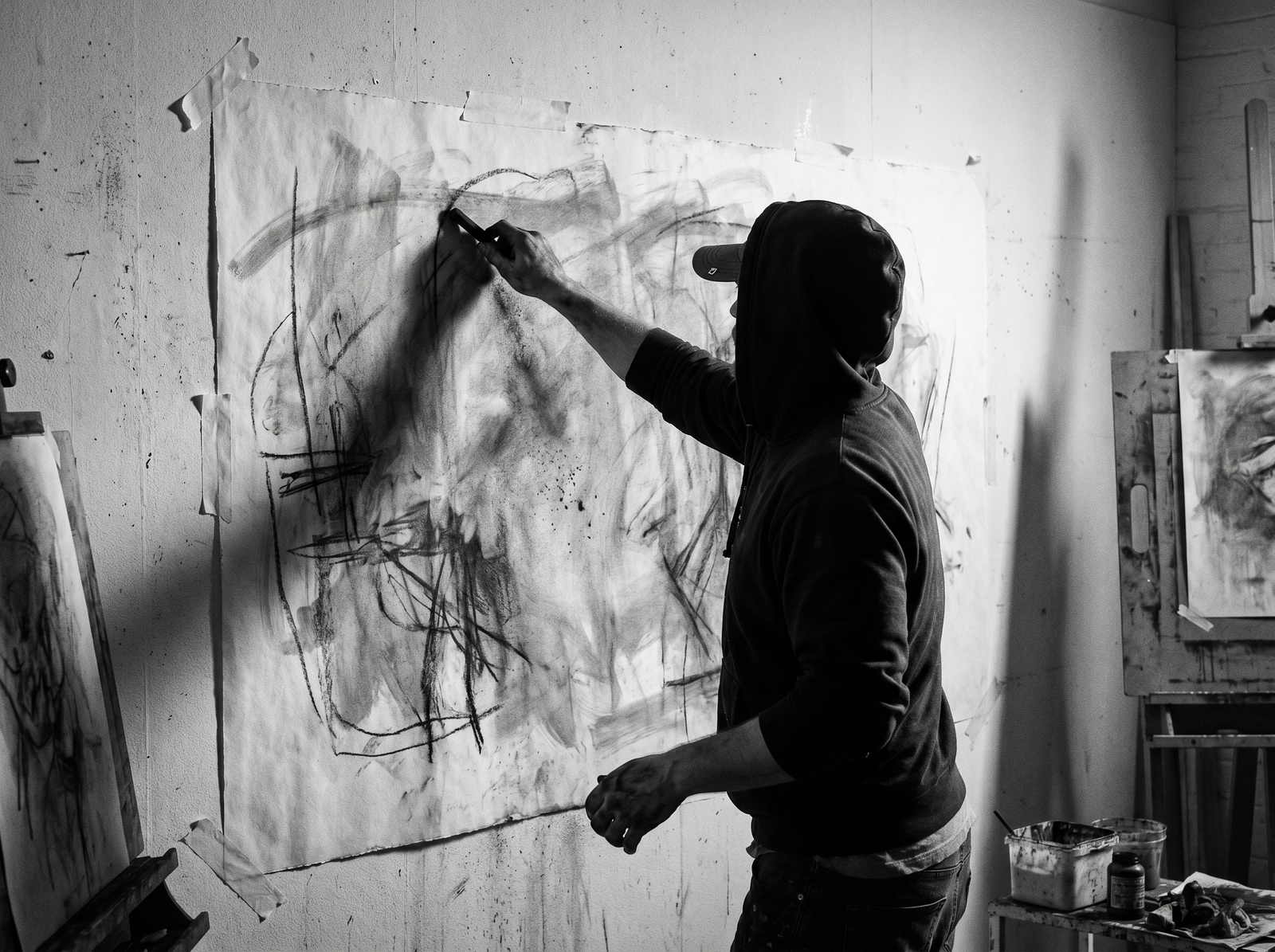
A finished canvas on a white wall feels closed. It is a period at the end of a sentence. It gives the viewer nowhere to go. What is actually landing in 2026 is the unresolved moment — work that is paused in action, visible mid-gesture, caught in the act of becoming.
This is not about being messy or withholding the final product. It is about creating narrative tension. The charcoal line mid-stroke. The sculpture before the final polish. The sketch that precedes the painting. These are not behind-the-scenes content. They are the story itself. And story is what moves people — and ultimately, what moves work.
Audiences in 2026 don't just want to see the result. They want to sense the motion. They want to feel like witnesses, not just spectators. And witnesses are the people who remember you six months later when they are ready to buy. They are the collectors who feel invested before the transaction ever begins.
Document the work in progress. Share the decision points. Let people see the thinking. Not everything — enough. Give them the Invitation before you deliver the revelation.
Shift 04The Market Shift: From Blue-Chip Validation to Emotional Connection
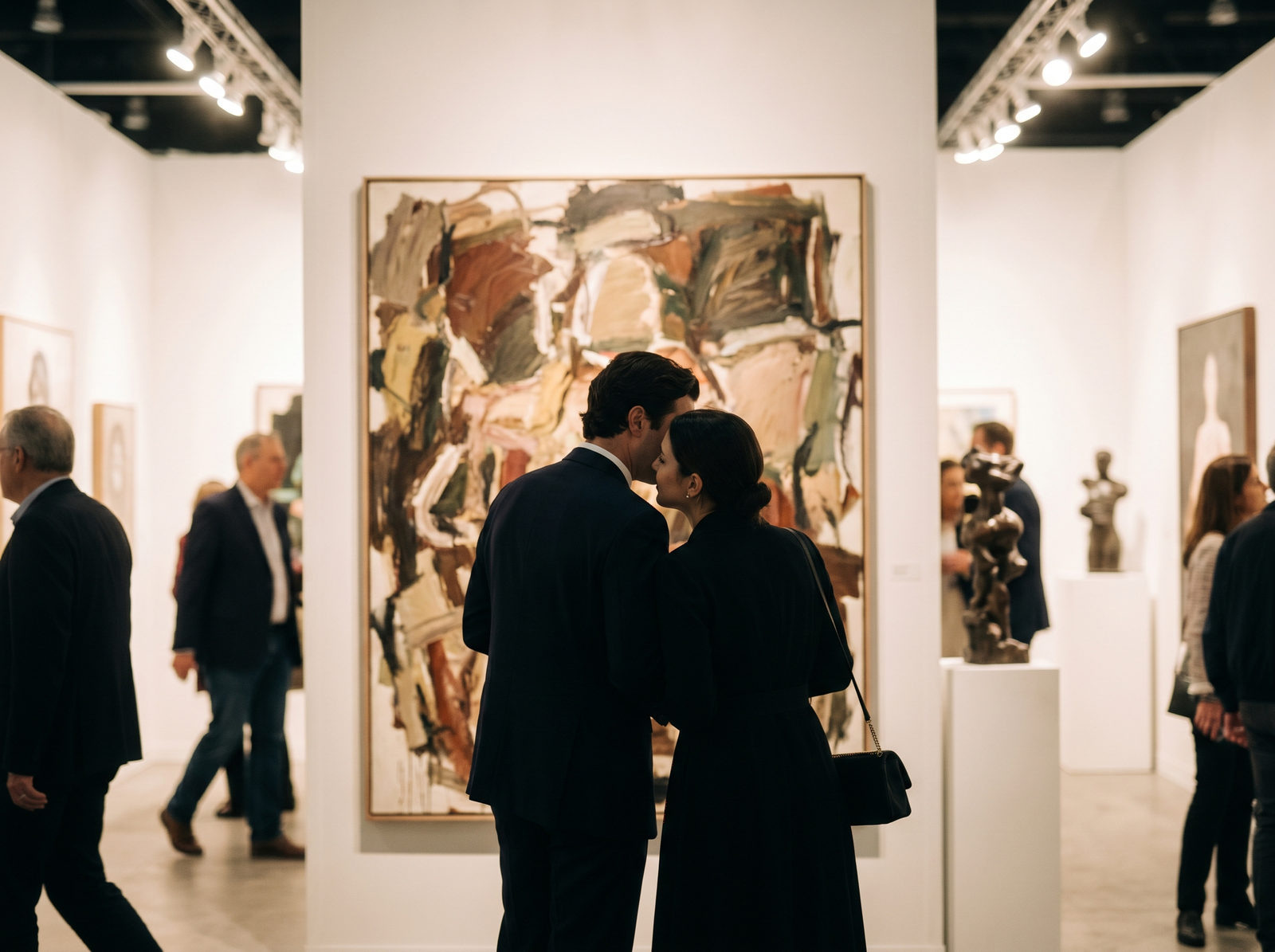
The data from the first half of 2025 was sobering. Fine art auction sales dropped nearly 9% compared with the same period the year before. The average price per lot reached its lowest half-year level in a decade. Several longstanding galleries, including well-known names in Los Angeles and New York, announced closures. The market looked, from one angle, like it was in genuine retreat.
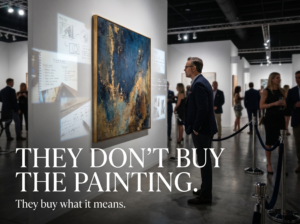
But the full picture is more nuanced — and more interesting. The mid-market showed real signs of resilience. And critically, a new generation of collectors is operating on entirely different logic: not institutional validation, not blue-chip provenance, but emotional resonance. Work that feels authentic. Artists with a point of view. Stories they can believe in.
This shift has practical implications. The speculative frenzy for ultra-contemporary artists has cooled. What is replacing it is slower, more considered collecting — people buying work they genuinely connect with rather than work they think will appreciate fastest. For emerging and mid-career artists, this is actually good news. The gatekeepers have less power. The relationship you build with your audience matters more than which institution has validated you.
Collaboration is also reshaping the landscape. Shared studio projects, co-created works, and artist networks are generating the kind of authentic community that neither a gallery nor a social media account can manufacture alone. The art market of 2026 rewards genuine relationships — between artists, between artists and galleries, between artists and the people who love their work.
Shift 05
Digital Presence Is Now Infrastructure, Not Optional
By mid-2024, approximately 18% of global art sales by value happened online — a figure that has grown substantially and consistently since 2019. For working artists, this is no longer a trend to watch. It is the operating environment.
But digital presence in 2026 is not just about having an Instagram account. It is about building a stable, self-reinforcing foundation: a website that functions as a primary gallery, social channels chosen strategically rather than exhaustively, and content that tells the real story of the work rather than performing a version of the artist's life.
TikTok's algorithm prioritises the quality of interaction with an individual video over total follower count — which means an unknown artist with one genuinely compelling behind-the-scenes clip can reach a global audience overnight. The platforms have changed the rules. Artists who understand this are not compromising their integrity; they are building the architecture of visibility that lets the work do its job.
Nearly a third of galleries are now experimenting with hybrid formats — physical exhibitions extended by digital access — to reach younger collector segments and expand geographic reach. The phygital strategy is no longer avant-garde. It is simply how the more agile parts of the market operate. Galleries that understand both worlds are the ones positioned to grow through the current period of structural change.
What This Means for Artists Working Right Now
The artists who are building durable careers in 2026 are not necessarily the most technically gifted. They are the ones who understand that why great art is no longer enough is not a pessimistic statement — it is a clarifying one.
It means that the game has expanded. You are not just responsible for what happens in the studio. You are responsible for the story around it, the presence behind it, and the relationships that make it matter to people beyond the four walls where it was made.
Make the work with everything you have. Then give it the Invitation it deserves. Build the narrative tension. Share the process. Connect with collectors before they are collectors — when they are simply people who love what you are doing. Document the unfinished. Trust the imperfect. Be findable.
Great art is still the foundation. But the foundation is not the building. In 2026, artists who understand the difference are the ones who will still be standing when the market settles into its next shape.
Discover artists who are building exactly this kind of practice — work with real vision, real story, and real presence in the 2026 market.
Explore Our Artists