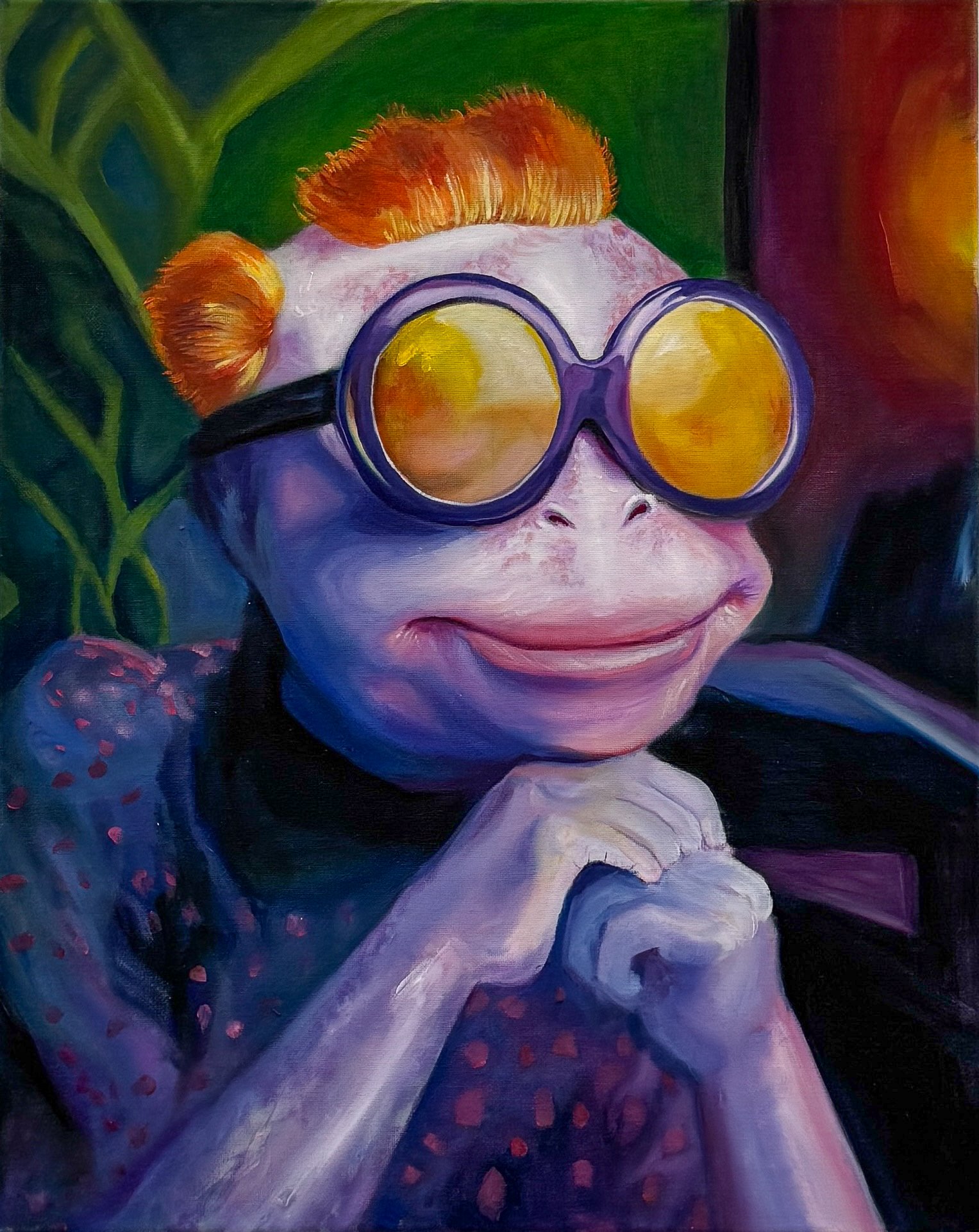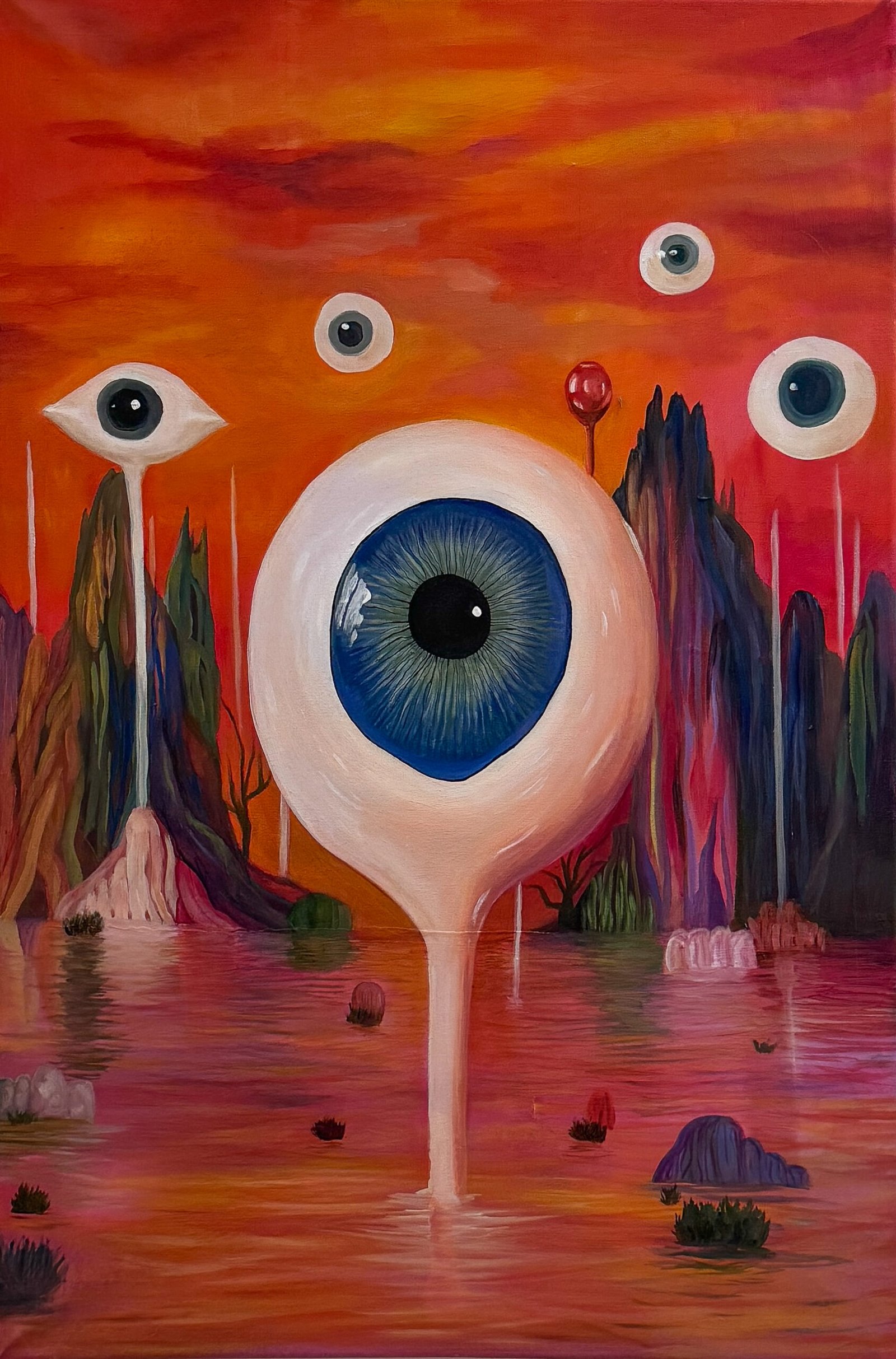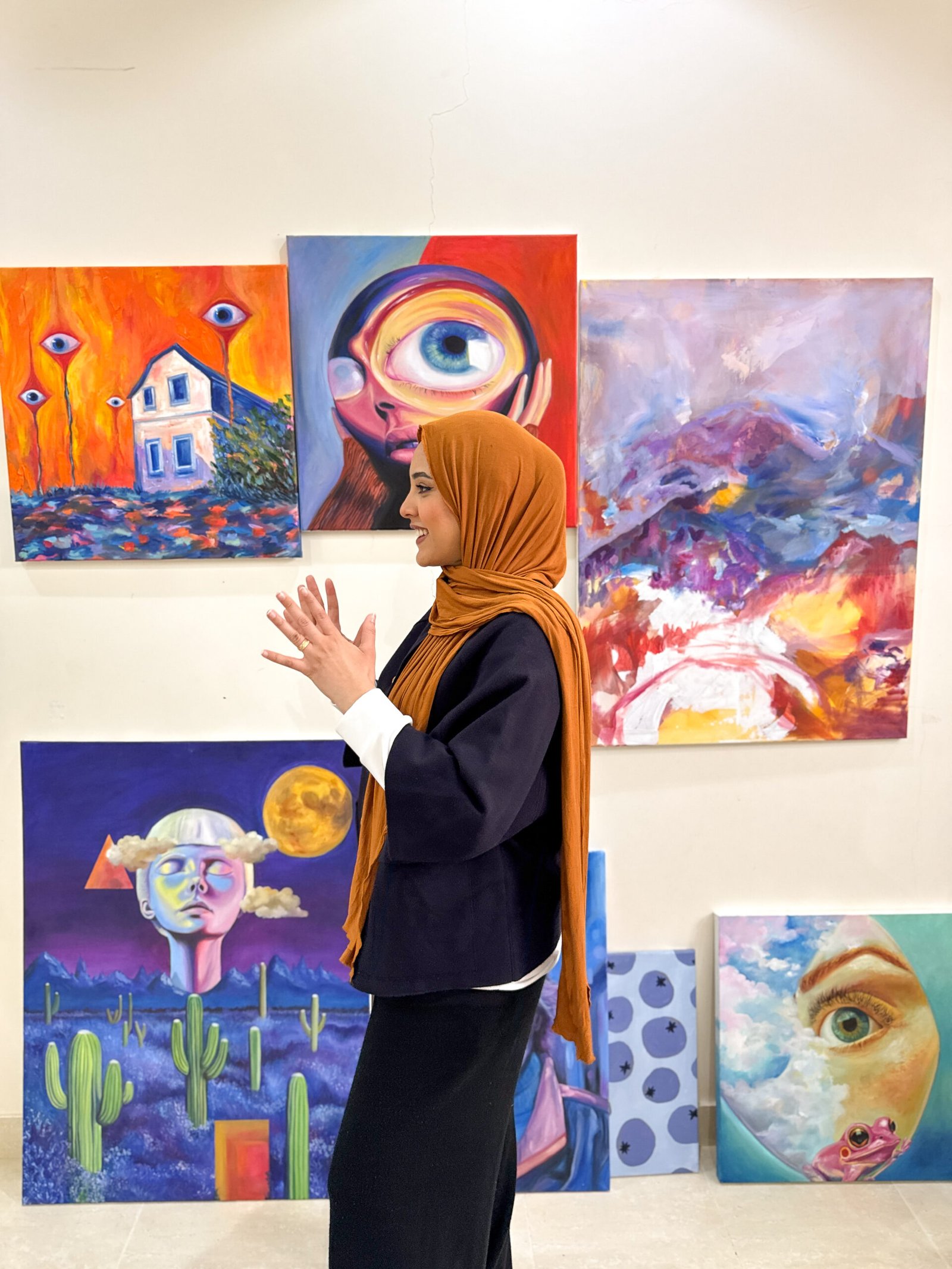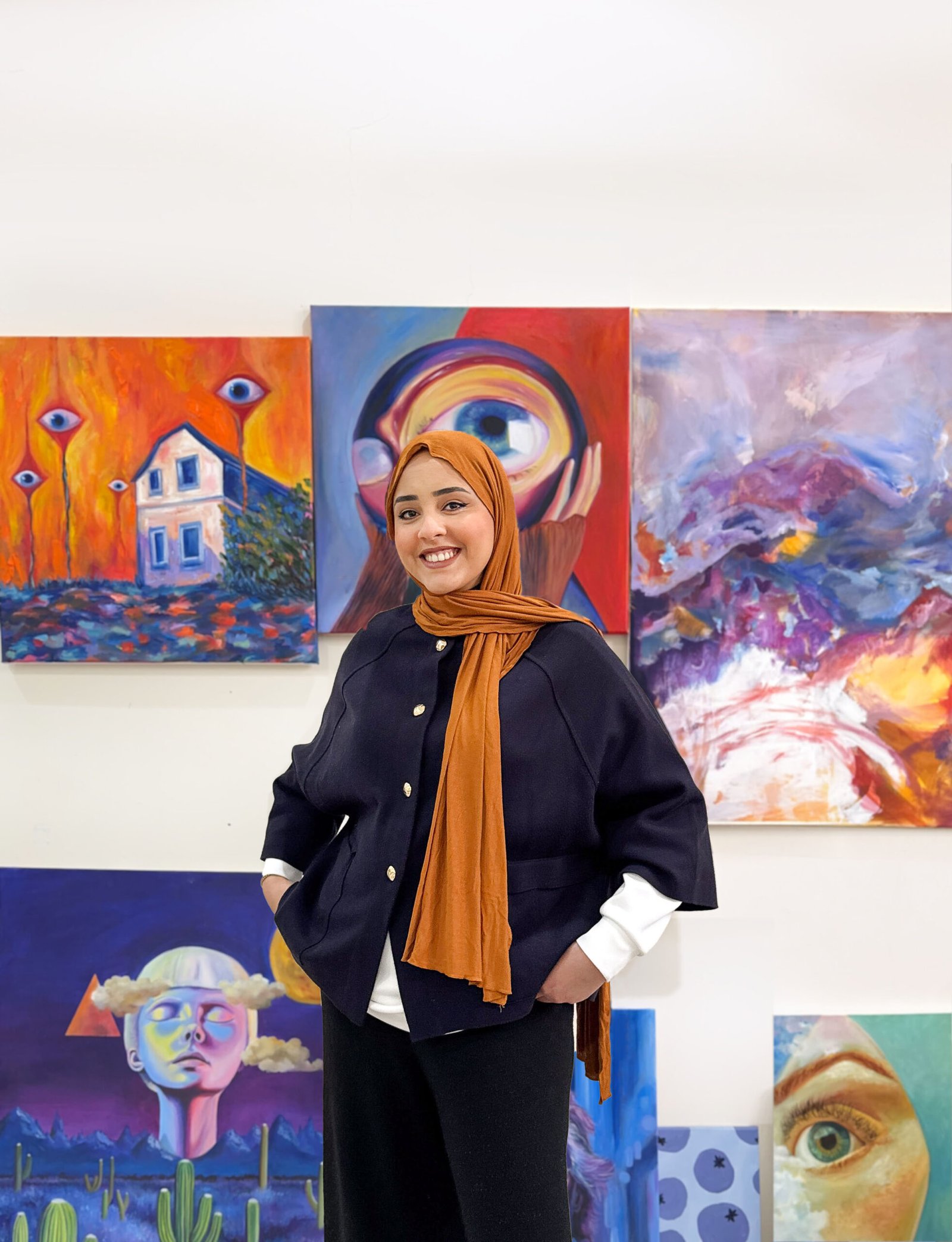
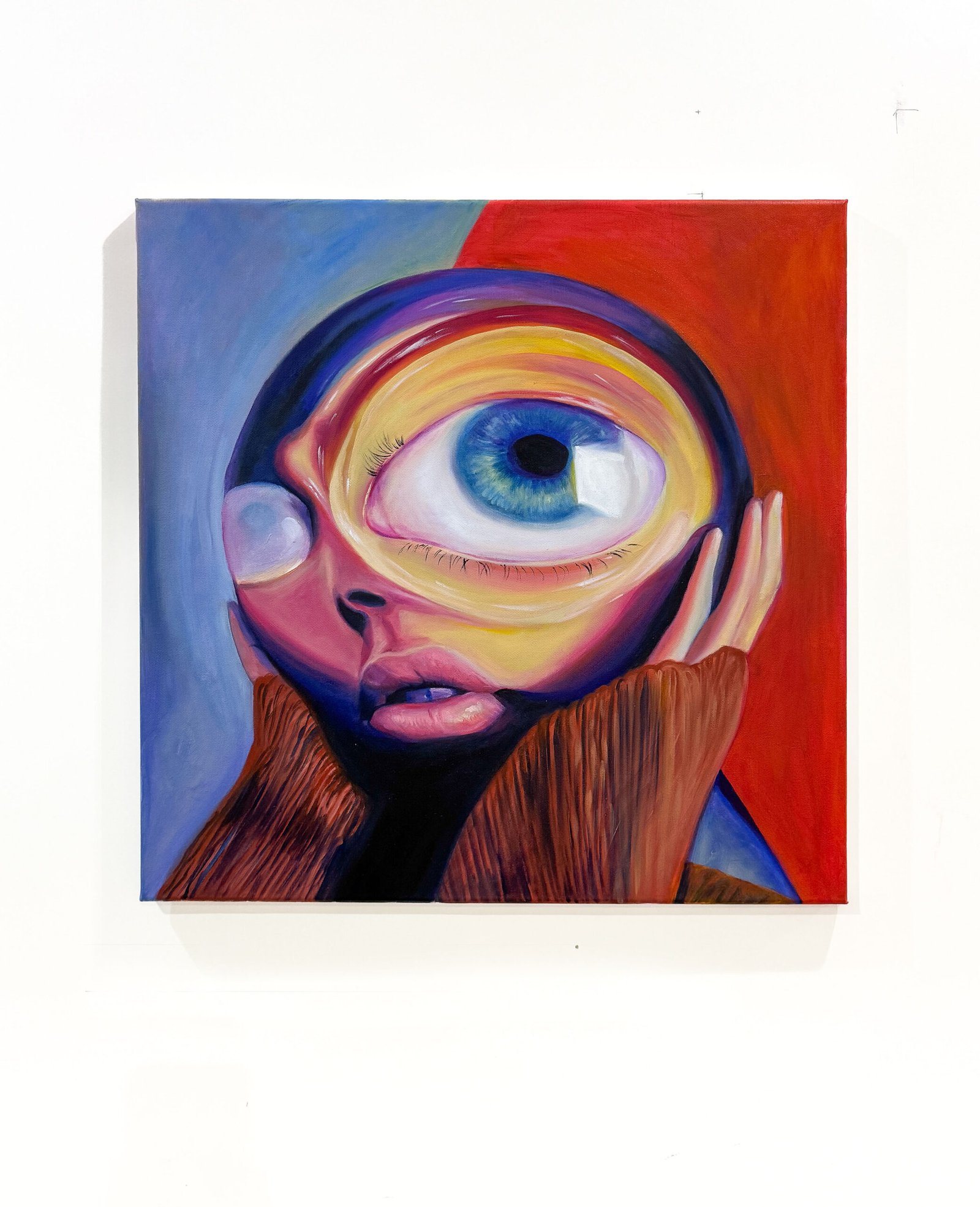
Fatma Mariey is an Egyptian visual artist working across painting and image-making, constructing deeply psychological worlds that exist between perception, awareness, and emotional tension. Rooted in surreal and symbolic visual language, her work explores the fragile boundary between observing and being observed, creating internal landscapes that feel less like physical places and more like states of consciousness. Rather than depicting reality directly, each composition investigates the shifting nature of perception itself—how awareness transforms during moments of transition, displacement, and uncertainty. Through layered imagery and symbolic forms, Fatma translates invisible emotional states into visual experiences that invite reflection rather than fixed interpretation.
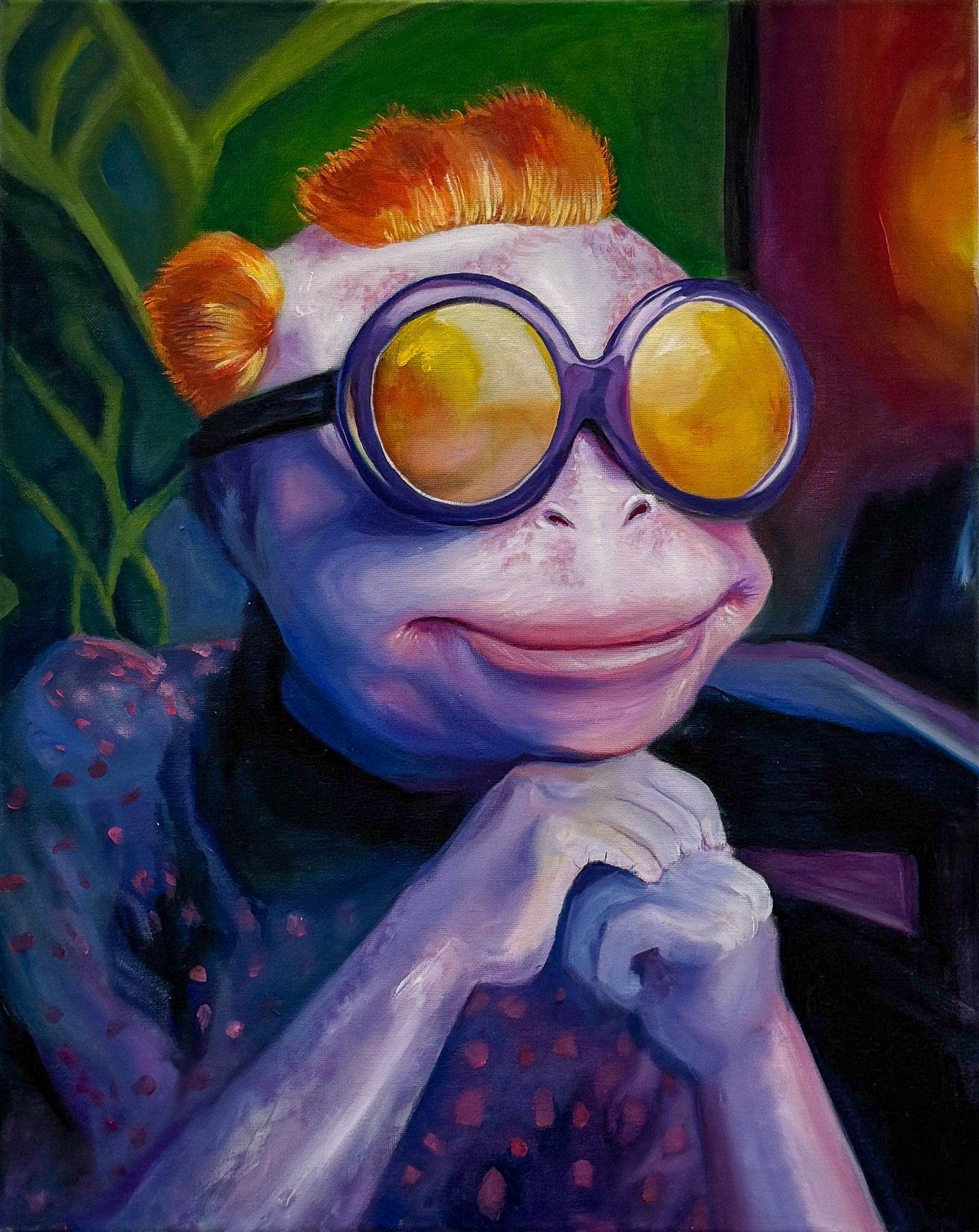
Educated at Virginia Commonwealth University Qatar, her artistic practice evolved not through rigid formal structures, but through an ongoing process of repetition, questioning, and refinement. Painting gradually became the most direct medium for exploring these internal spaces, allowing perception and psychological tension to unfold through atmosphere, composition, and symbolic presence. Across her work, the act of looking itself becomes central—not only what is seen, but how it feels to exist under observation, within uncertainty, or inside shifting emotional realities.
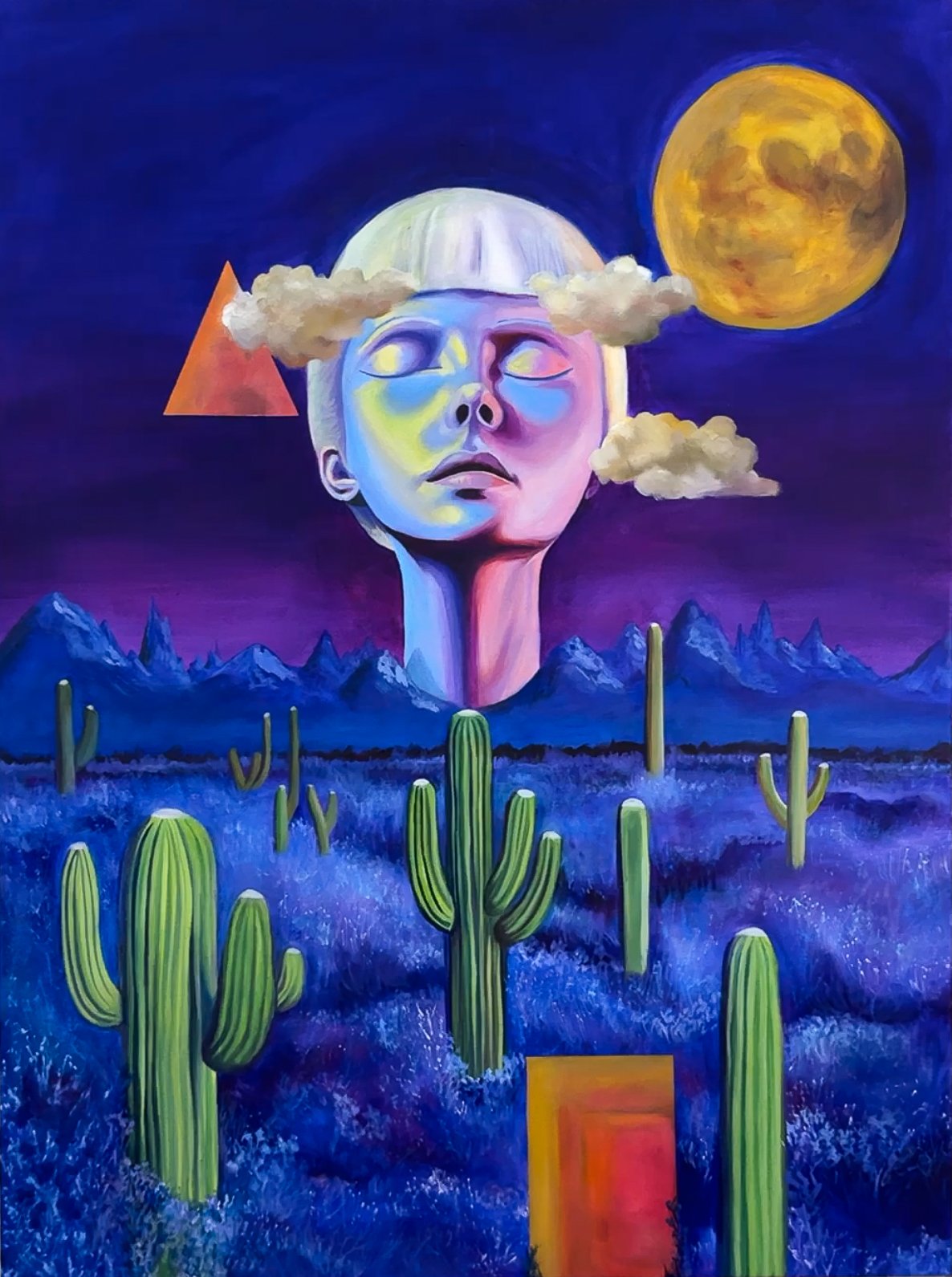
At the core of Fatma Mariey's practice is a commitment to engaging with what cannot easily be articulated. Art becomes a method of processing unresolved tension, awareness, and emotional complexity rather than escaping them. This approach is grounded in discipline as much as intuition: the continual act of returning to the work, even when direction remains unclear. Over time, this sustained process shapes a body of work that feels introspective, emotionally charged, and psychologically immersive.
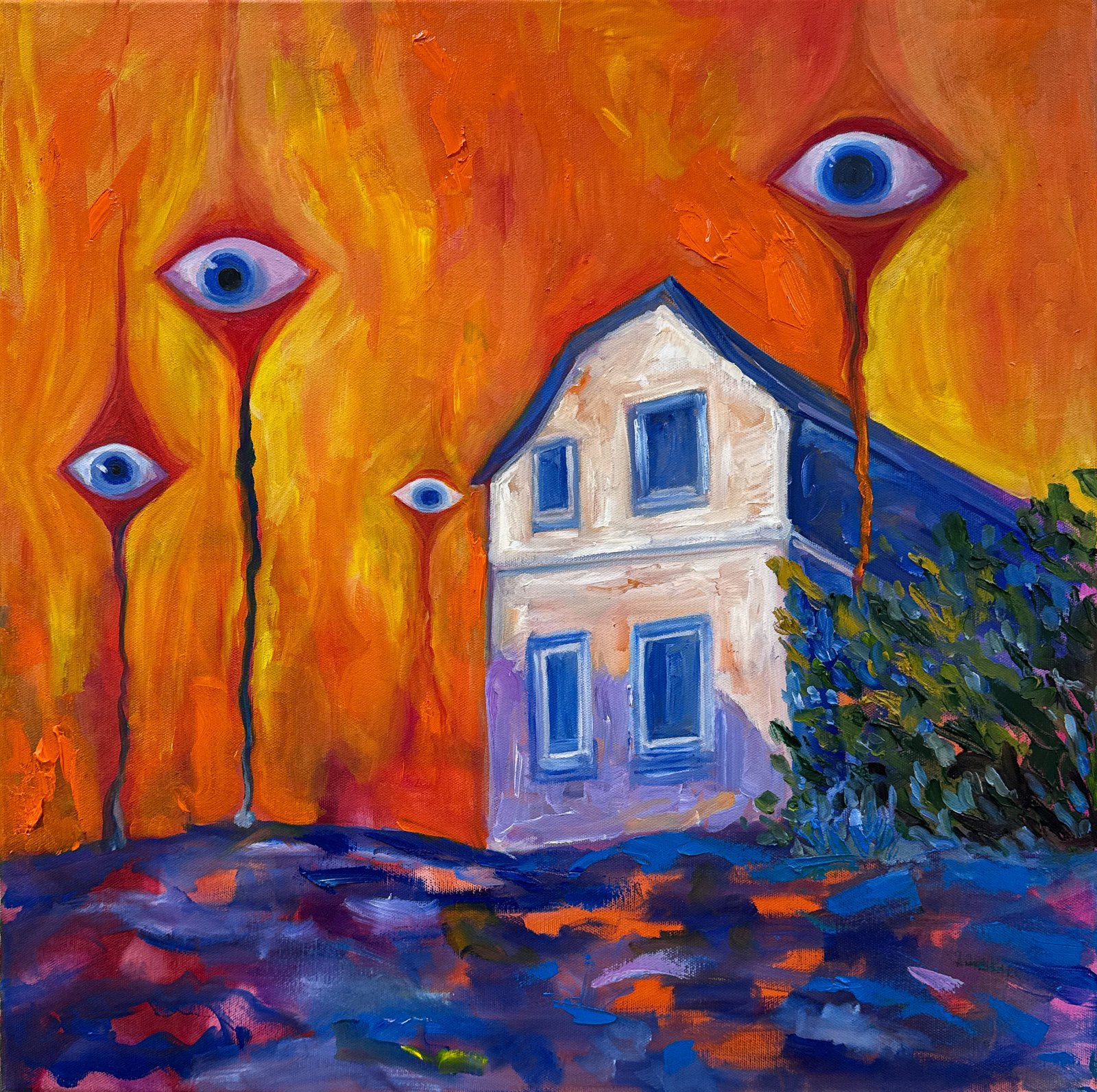
Rather than offering definitive meanings, Fatma creates spaces where perception remains fluid and unstable. Internal landscapes become mirrors of awareness itself, allowing viewers to encounter not only imagery, but the sensation of being seen within it. Guided by Paul Klee's idea that "the subject of art is not the visible, but what has been made visible," her work reveals hidden emotional and psychological dimensions that exist beneath ordinary perception—transforming abstraction and symbolism into tools for understanding the complexity of human consciousness.