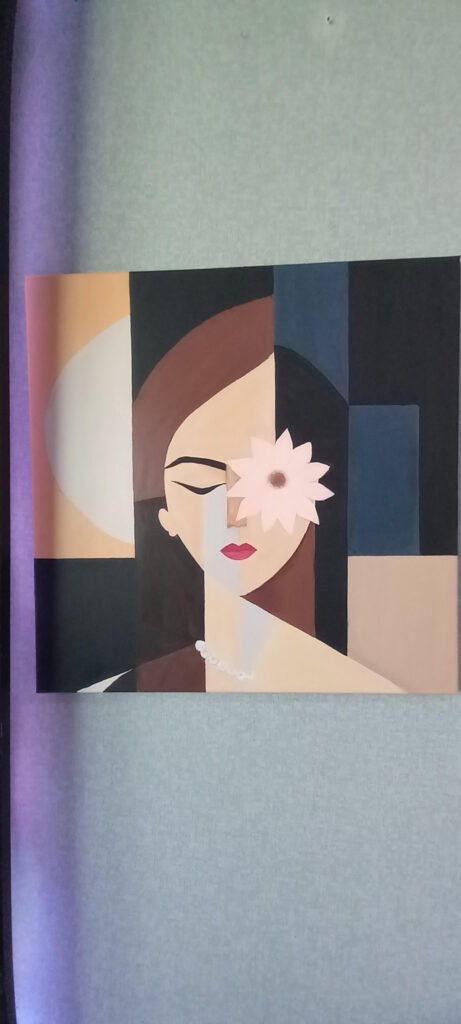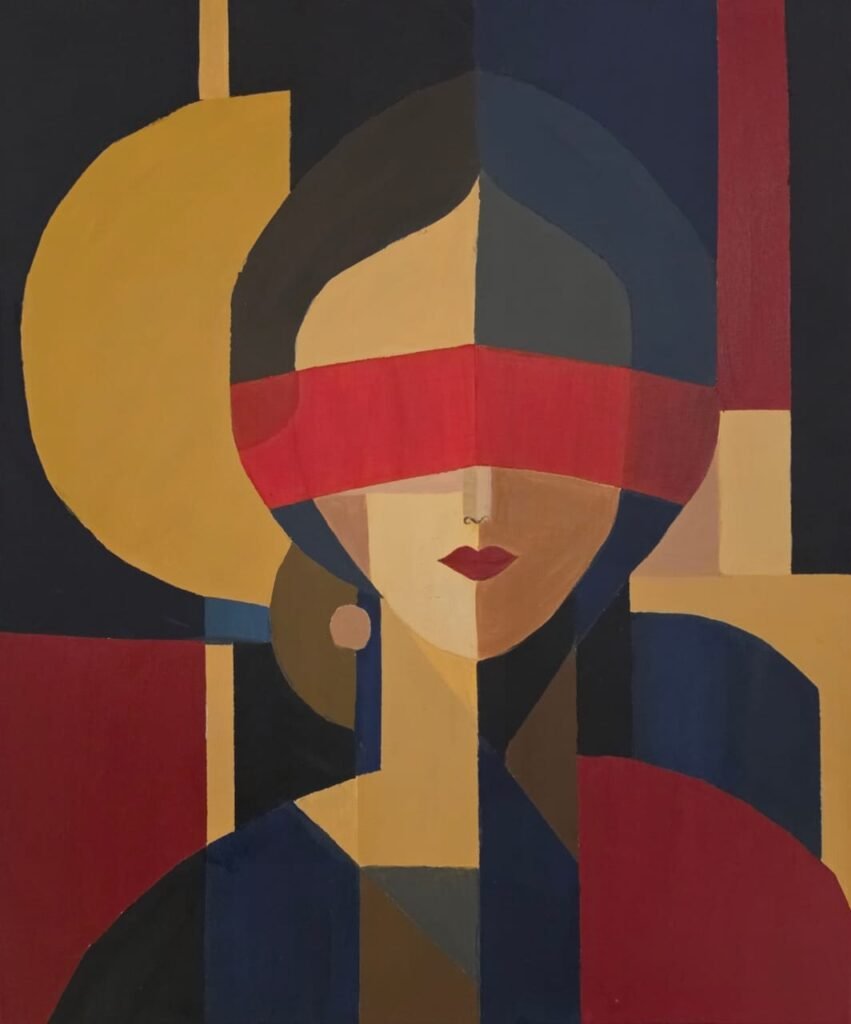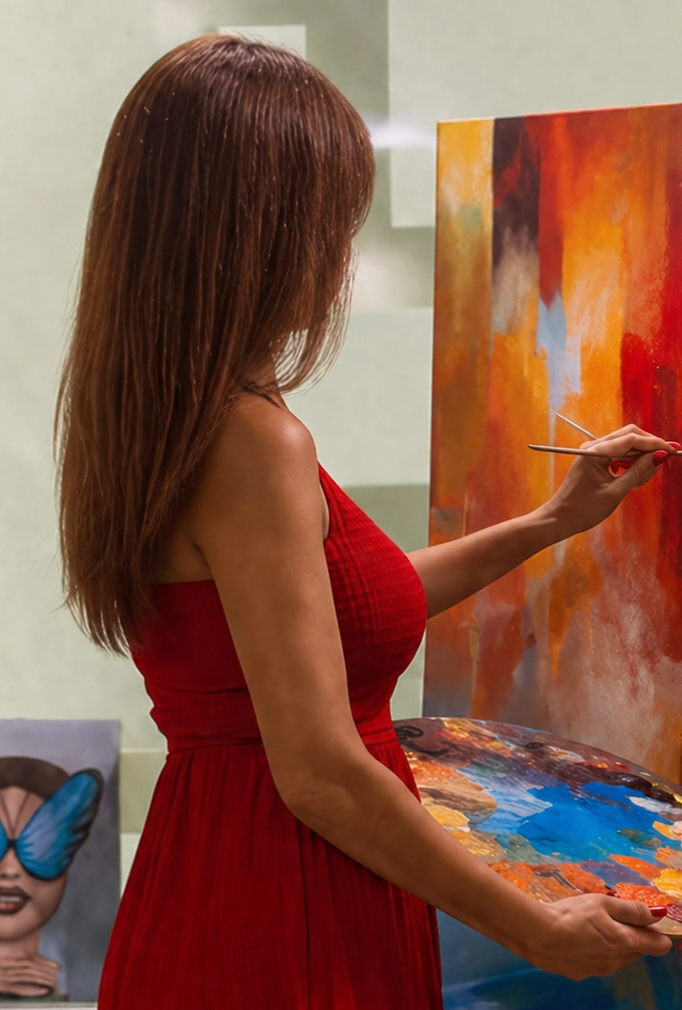
At the center of Nissfa’s developing practice is a fascination with what people carry beneath the surface. The self-taught contemporary artist, currently based in Riyadh, Saudi Arabia, draws from emotions, memories, relationships and human experiences to create paintings that move between visible form and internal feeling.
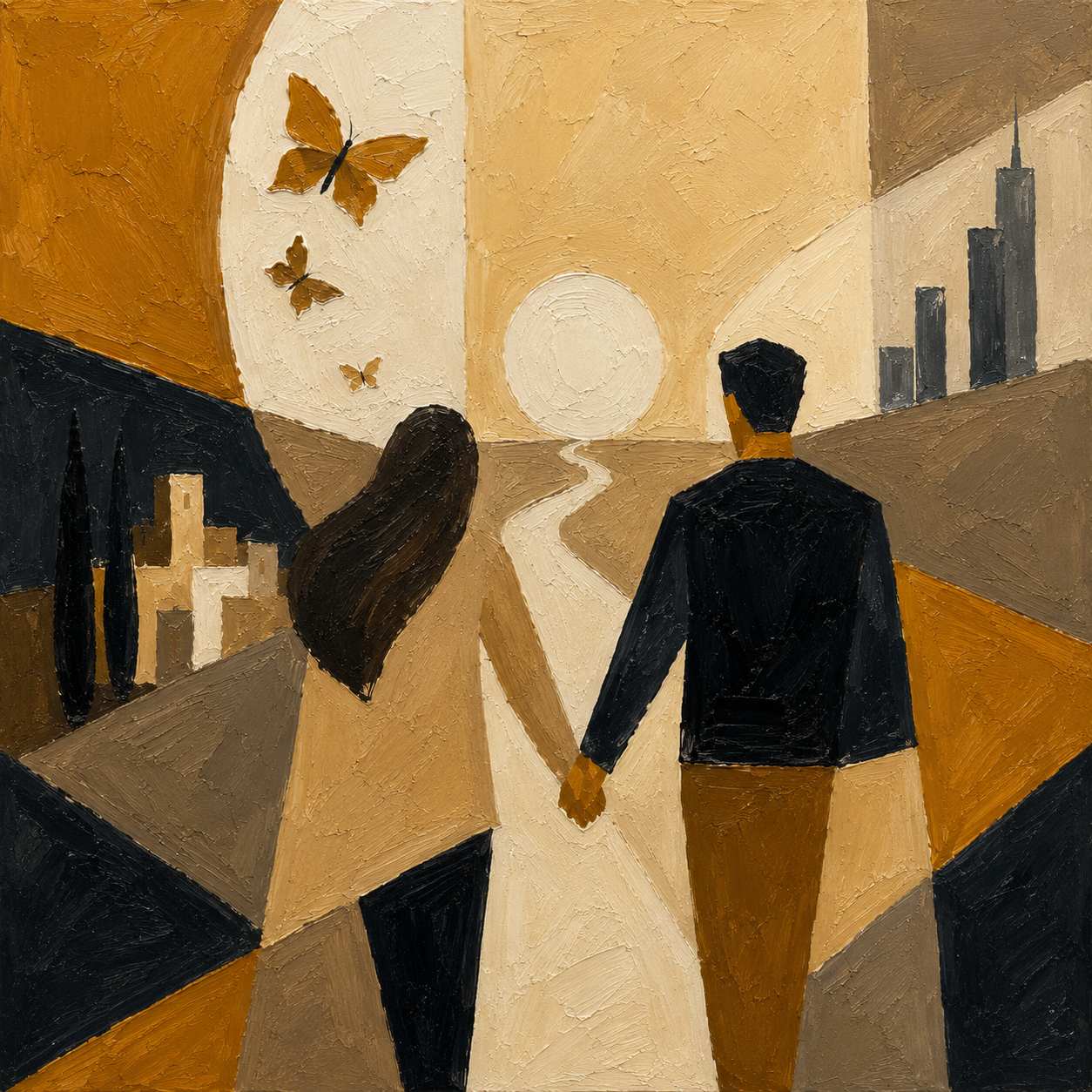
Contemporary approaches meet cubist influences within this evolving visual language. Faces fragment, forms separate and reconnect, while color, texture and composition shift according to the emotional character of each work. Rather than following a rigid stylistic formula, Nissfa is building an artistic identity through exploration — searching for a language that feels increasingly personal and recognizable.
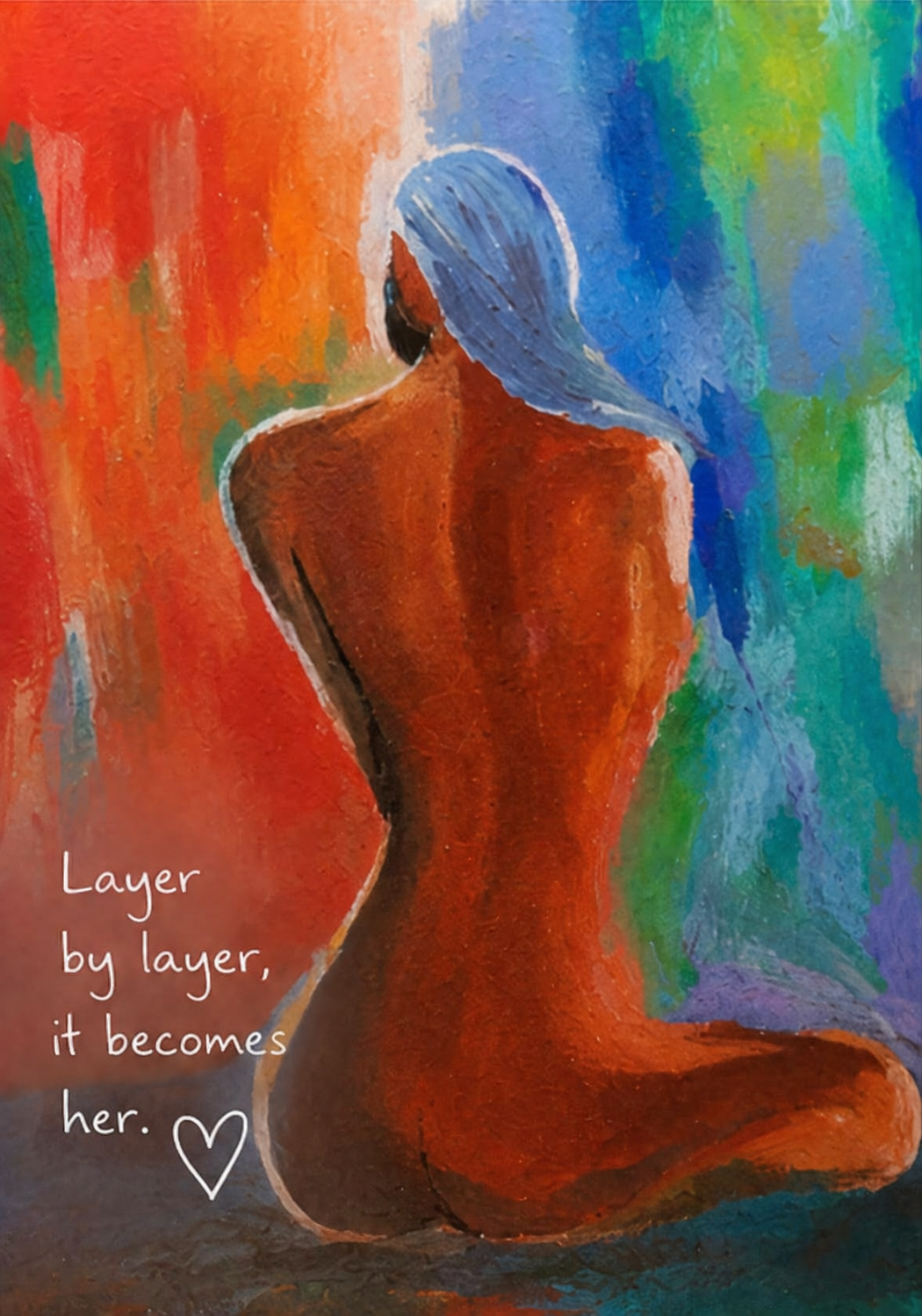
Art entered Nissfa’s life during a period shaped by profound loss. After a close friend passed away at a young age, painting appeared almost unexpectedly and became a way of processing emotions that were difficult to express through words. The canvas offered somewhere for grief, memory and feeling to exist without requiring explanation.
Although she later stepped away from painting for a time, returning to it changed her relationship with the medium. Creating an image was no longer enough. What mattered increasingly was the possibility of translating an experience into visual form — allowing a painting to hold a memory, a feeling or a story that language alone could not fully contain.
Movement has also become part of the story behind the work. During the past four years, life has taken the artist through Germany, Lebanon, Qatar and Saudi Arabia. Constant change made it difficult to maintain the uninterrupted studio practice she wanted, yet those experiences also accumulated as another layer of memory.
Each place brought different surroundings, encounters and periods of transition. Now based in Saudi Arabia, Nissfa sees the present moment as the beginning of a new chapter — one in which her practice can receive greater time, direction and space. That sense of becoming is important. The work does not pretend to have reached a final destination; its identity is being discovered through the act of making it.
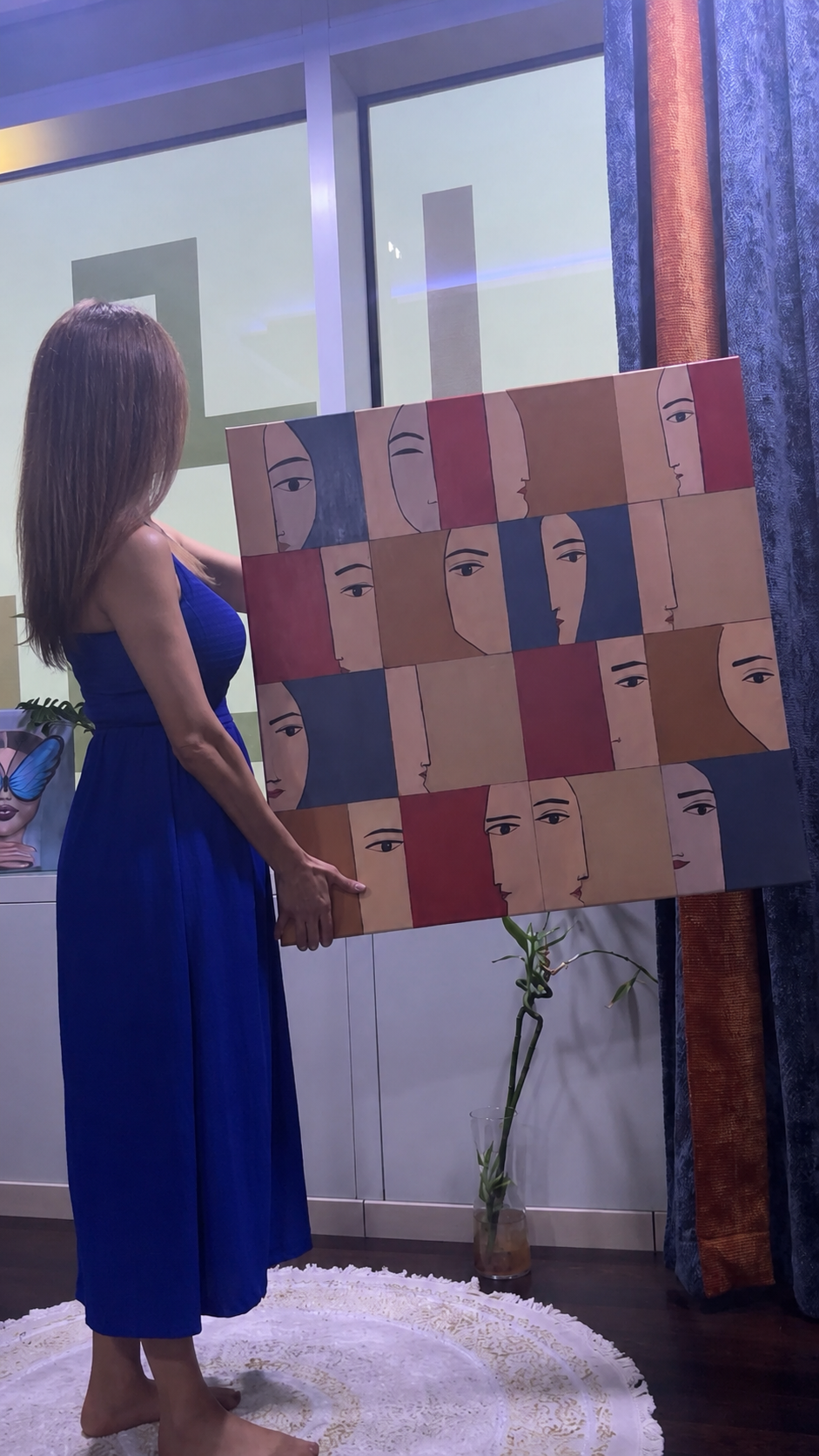
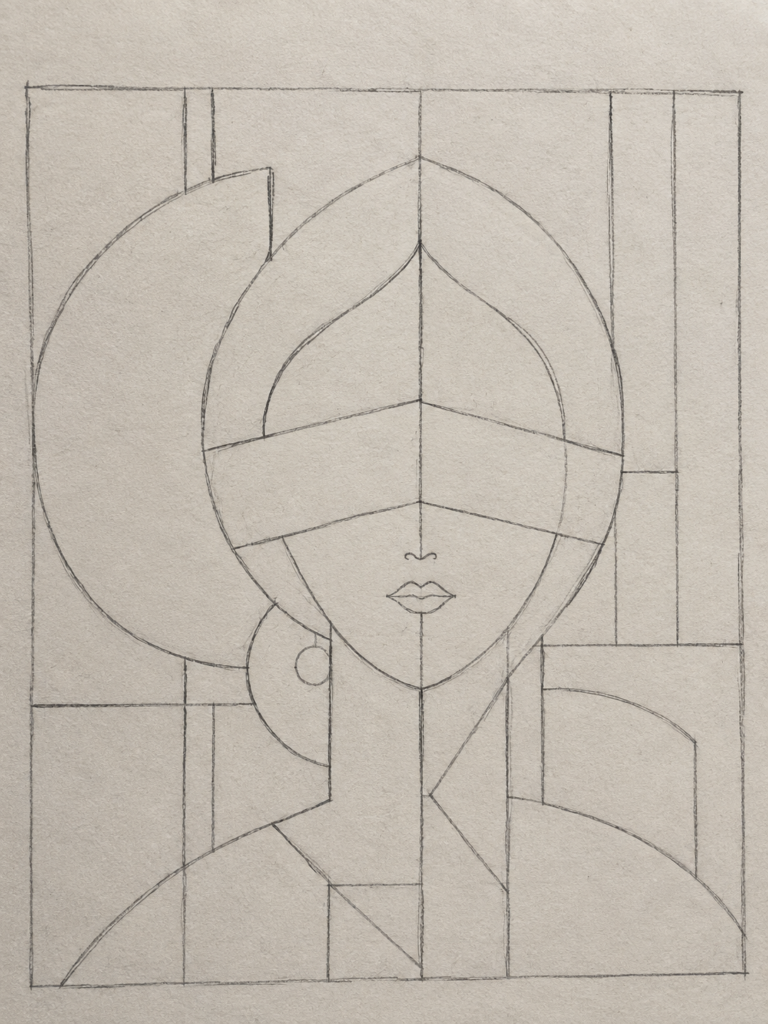
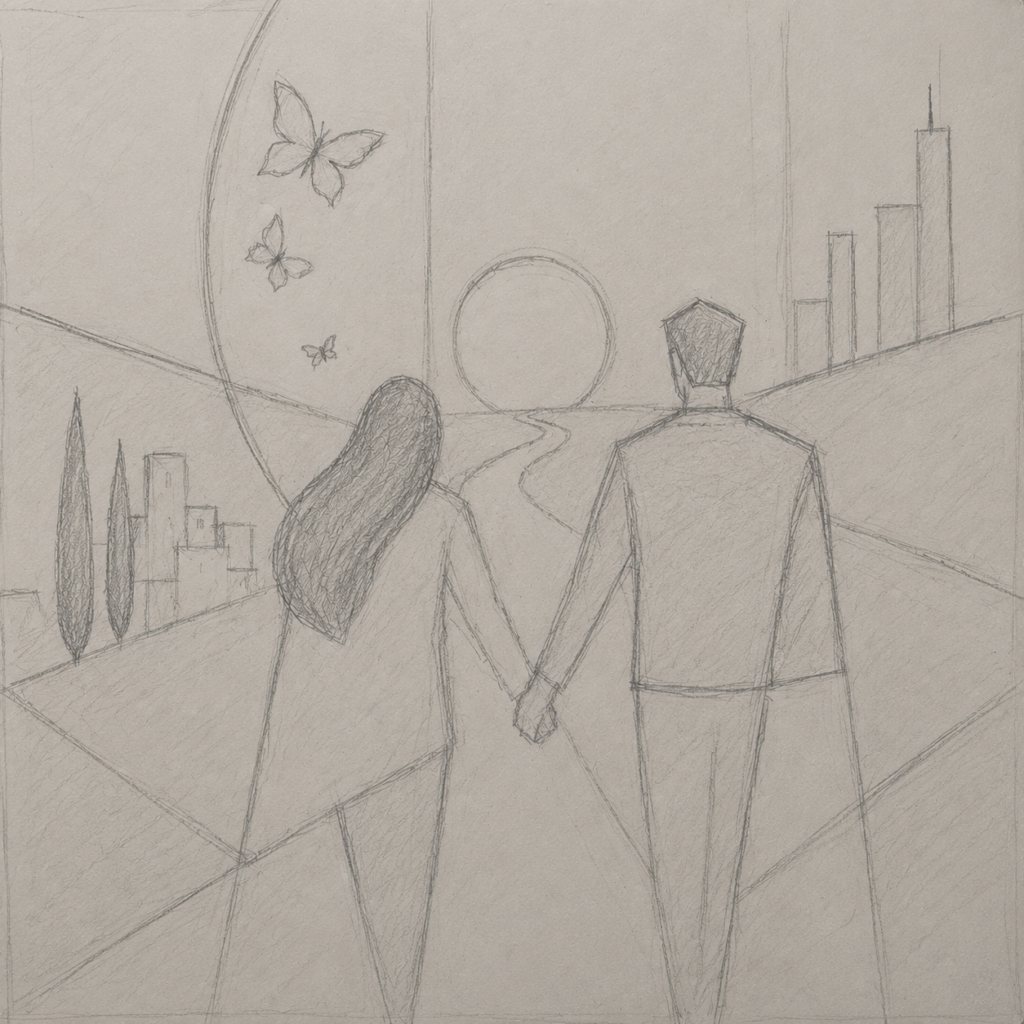
The desire to develop a distinctive artistic language keeps the practice moving forward. Nissfa experiments with composition, fragmented structures, texture and changing relationships between colors, searching for combinations capable of carrying the emotional weight of an idea.
There is deliberately no single fixed palette or formula. One painting may require intensity, while another calls for restraint. The choices emerge from the story, memory or feeling behind the work. This freedom allows experimentation to remain central to the process while gradually revealing recurring characteristics that can become recognizably her own.
For Best Art Gallery, this period of exploration is especially compelling because the search itself remains visible. Rather than hiding uncertainty, the work allows discovery to become part of its identity.
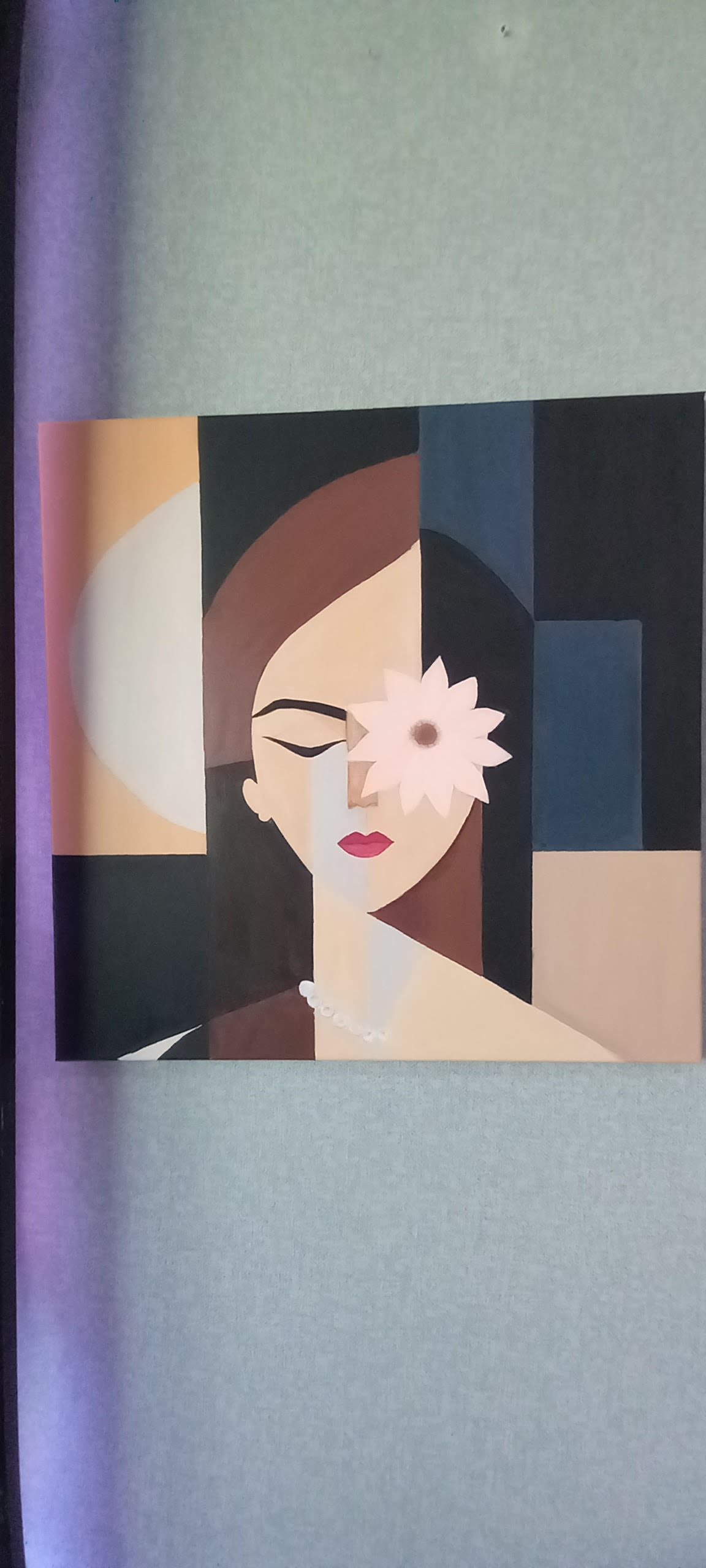
The human experience is rarely as simple as what can be seen from the outside. Nissfa is particularly interested in emotions people leave unspoken, memories carried privately, connections formed with others and the internal conflicts that may remain invisible to everyone around them.
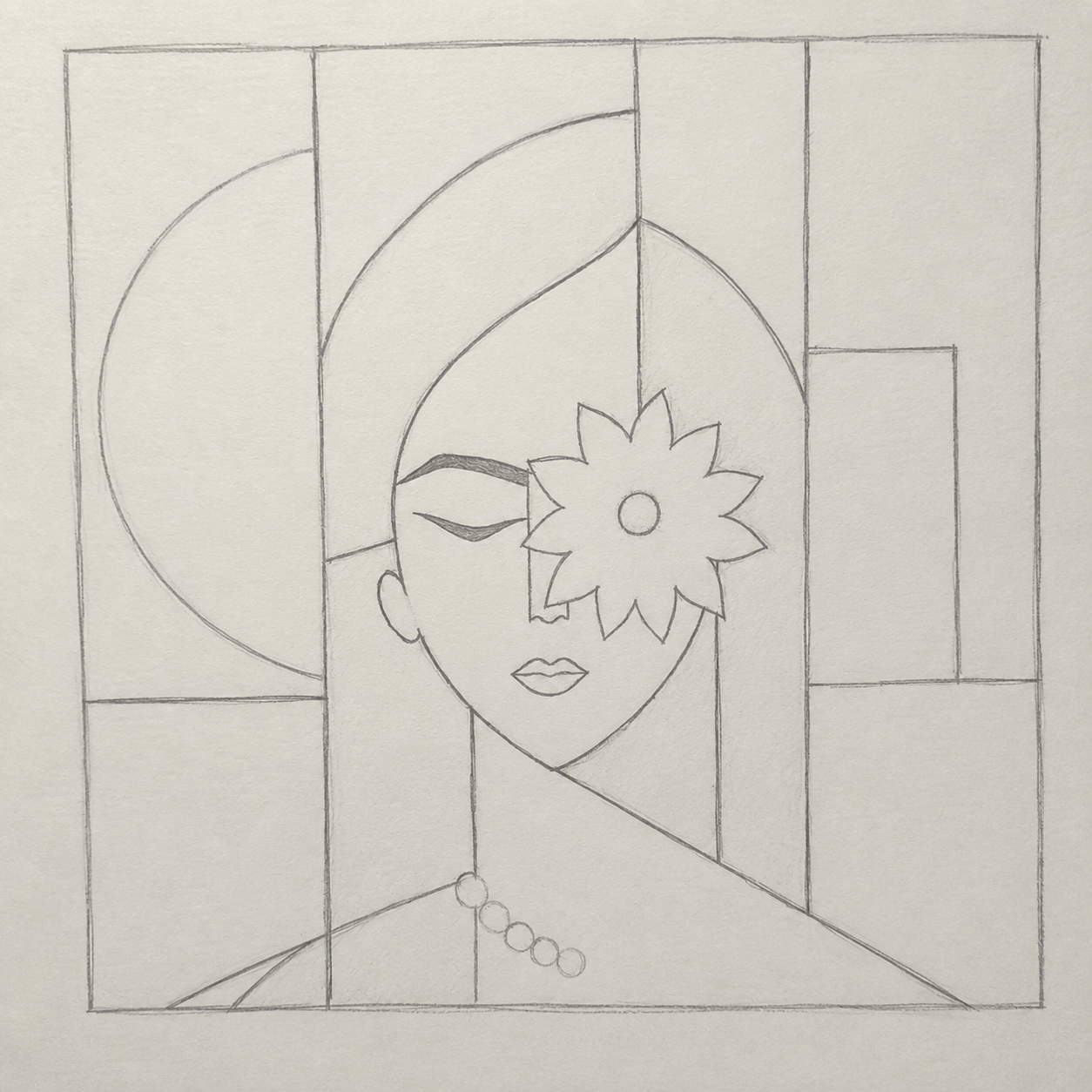
This interest helps explain the recurring presence of faces, fragmented forms and symbolic elements. Breaking the figure apart can become a way of suggesting psychological complexity rather than physical appearance alone. A face does not need to reveal everything. In fact, what remains unresolved may be precisely what allows the viewer to enter the work.
The paintings therefore operate somewhere between personal expression and open interpretation. They begin with the artist’s experience, but they do not have to end there.
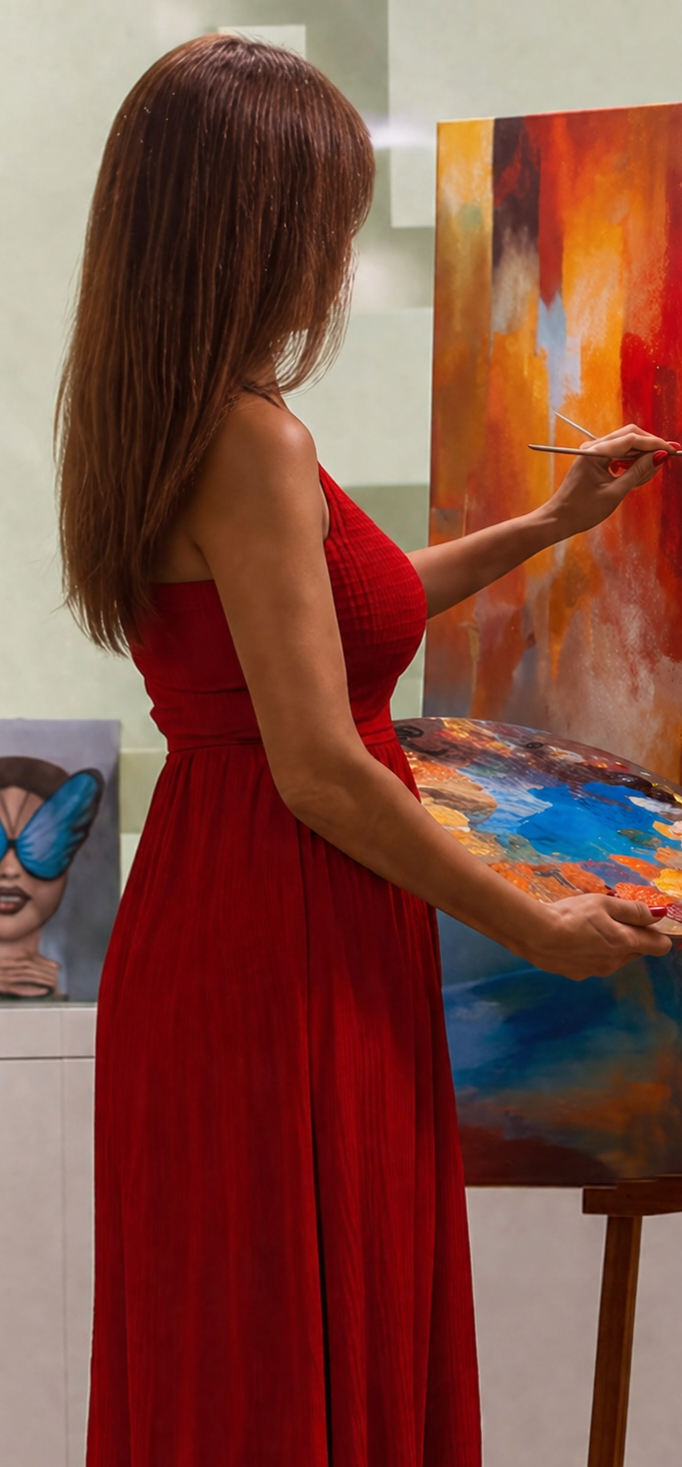
Perhaps the most important relationship begins after a painting is finished. Nissfa does not want every symbol or emotion to arrive with an explanation attached. Instead, enough space is deliberately left for another person to bring their own memories, associations and experiences to what they see.
That openness reflects the way the artist understands painting itself. A work can originate in one person’s story and still awaken something entirely different in someone else. Meaning does not have to remain fixed to the circumstances that produced it.
Thomas Merton’s words, “Art enables us to find ourselves and lose ourselves at the same time,” capture something essential within this developing practice. For Nissfa, painting offers exactly that possibility: a place where personal emotion can take physical form, yet remain open enough for another person to discover a story of their own.