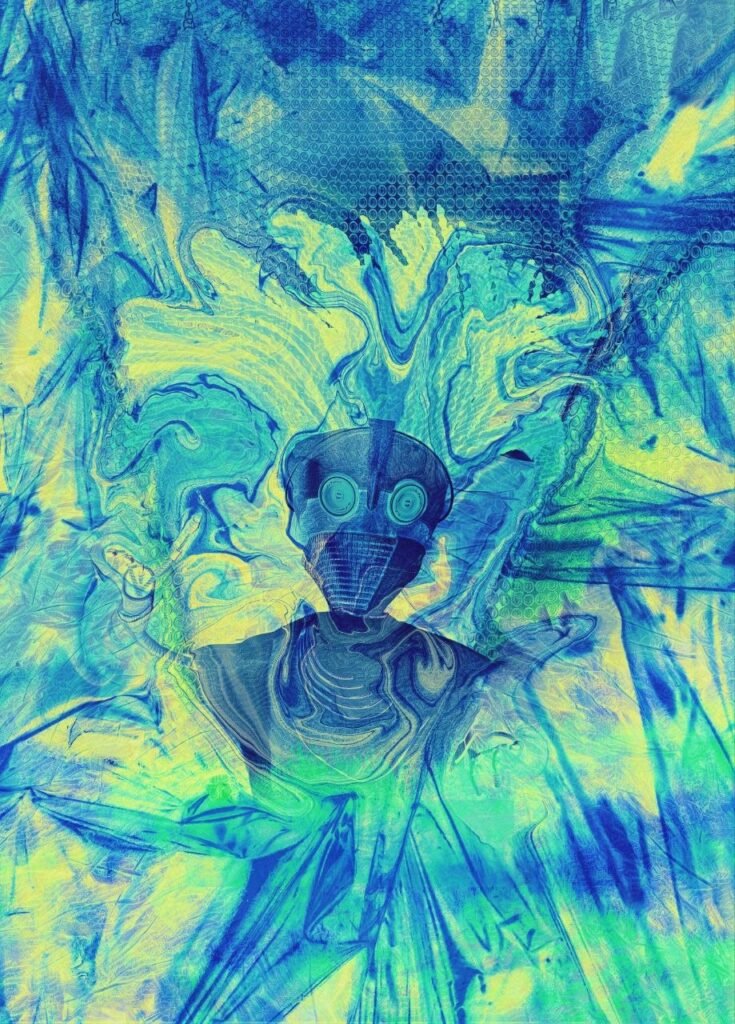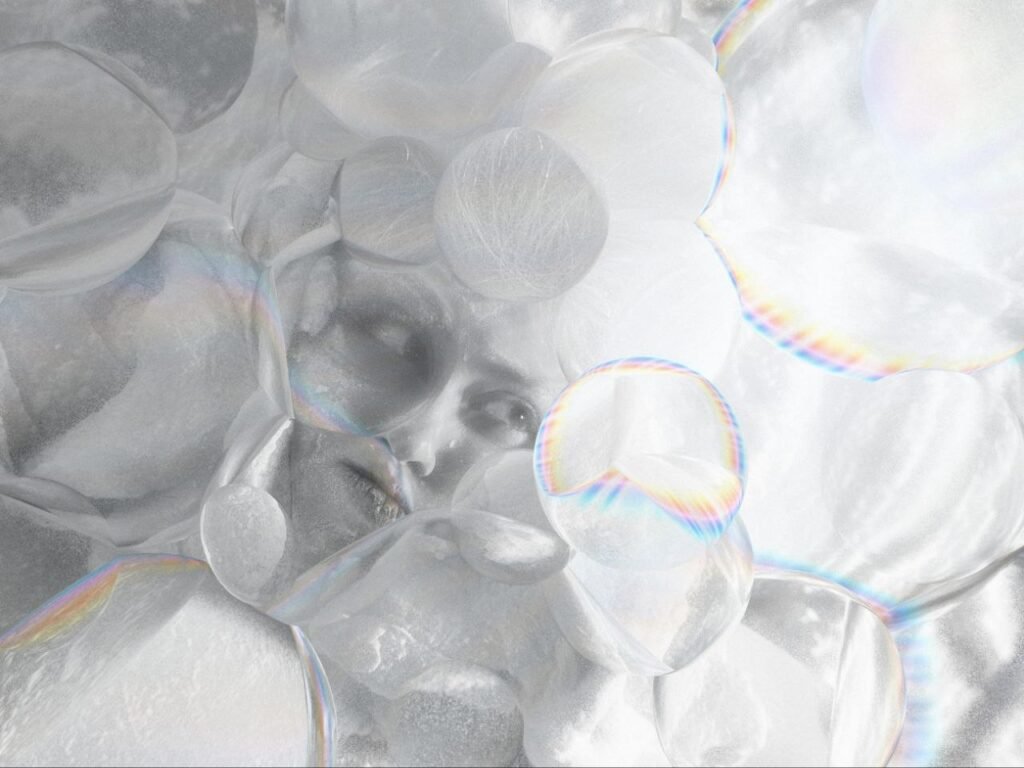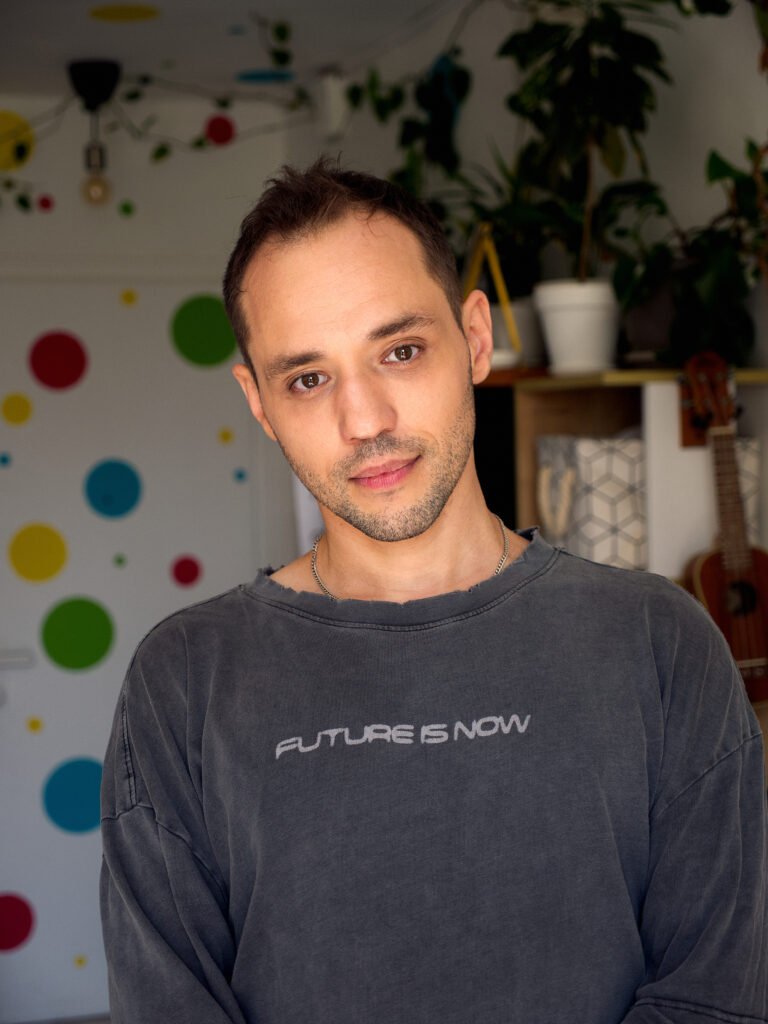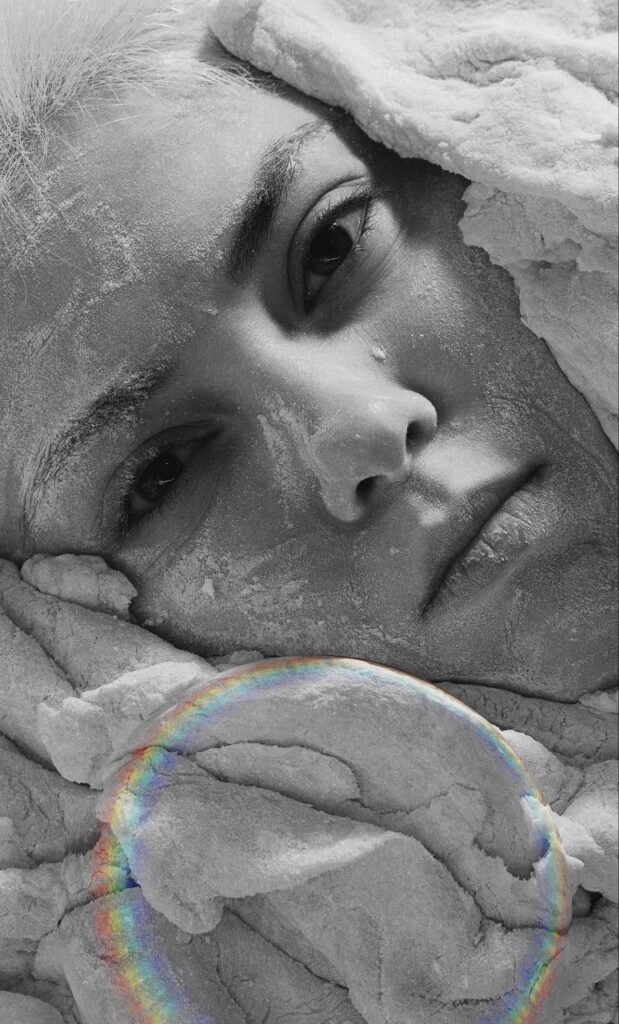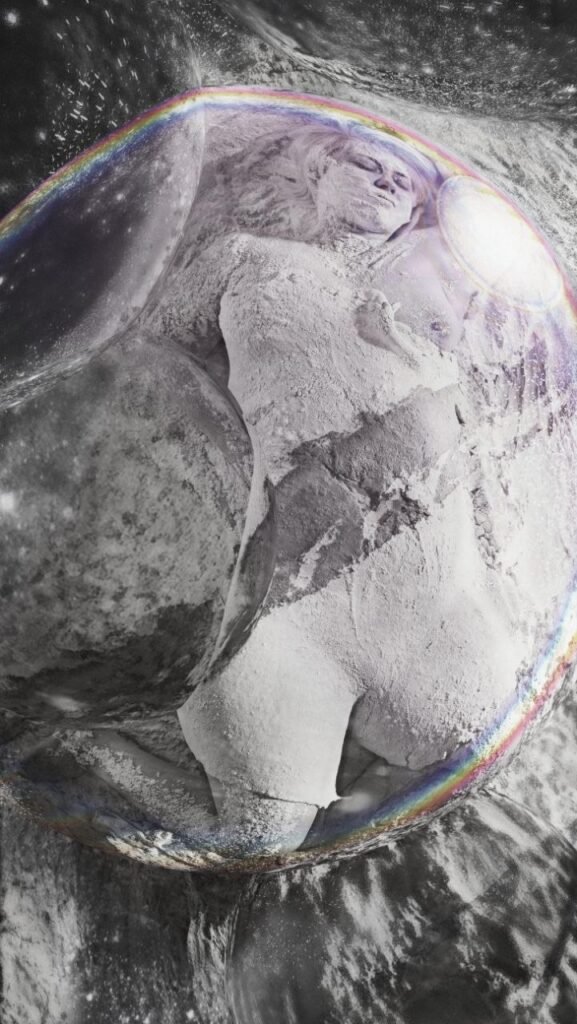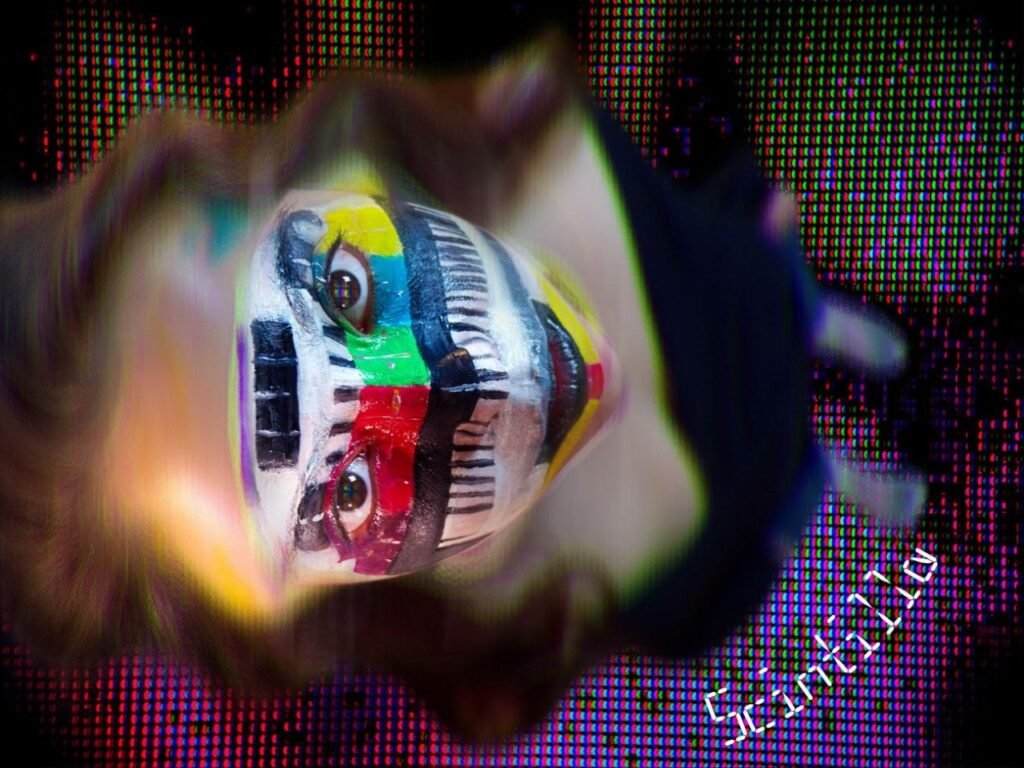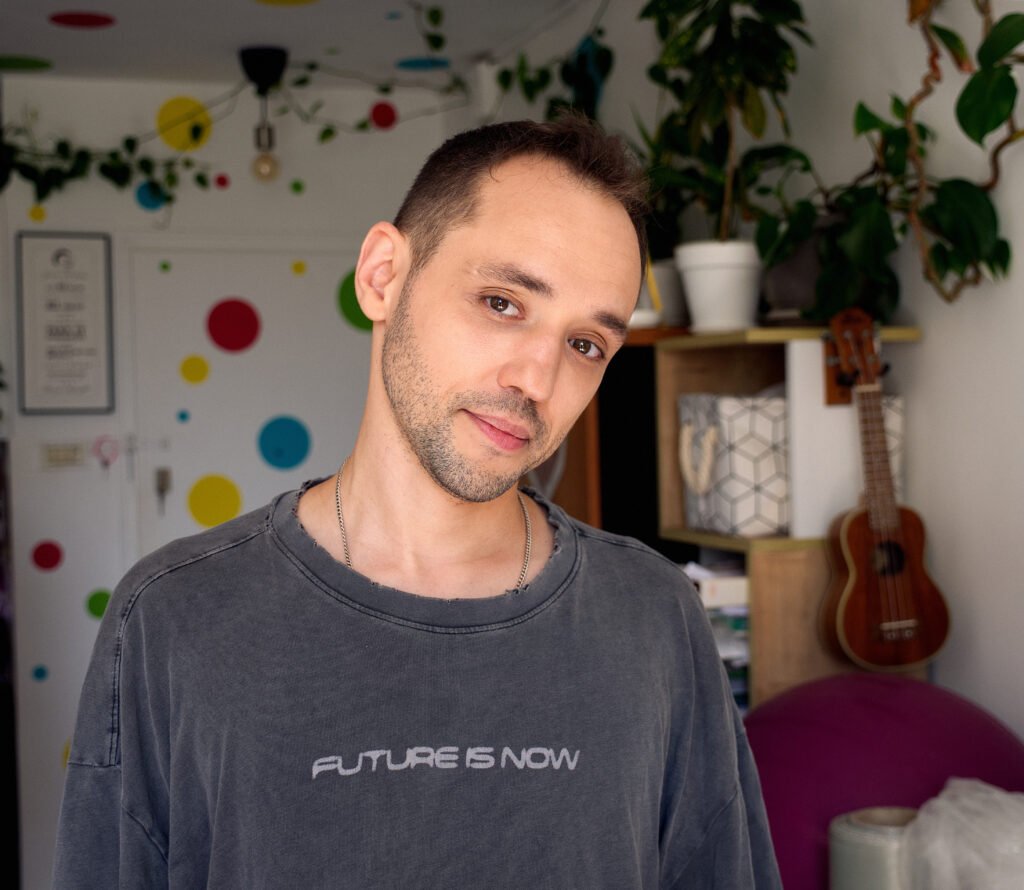
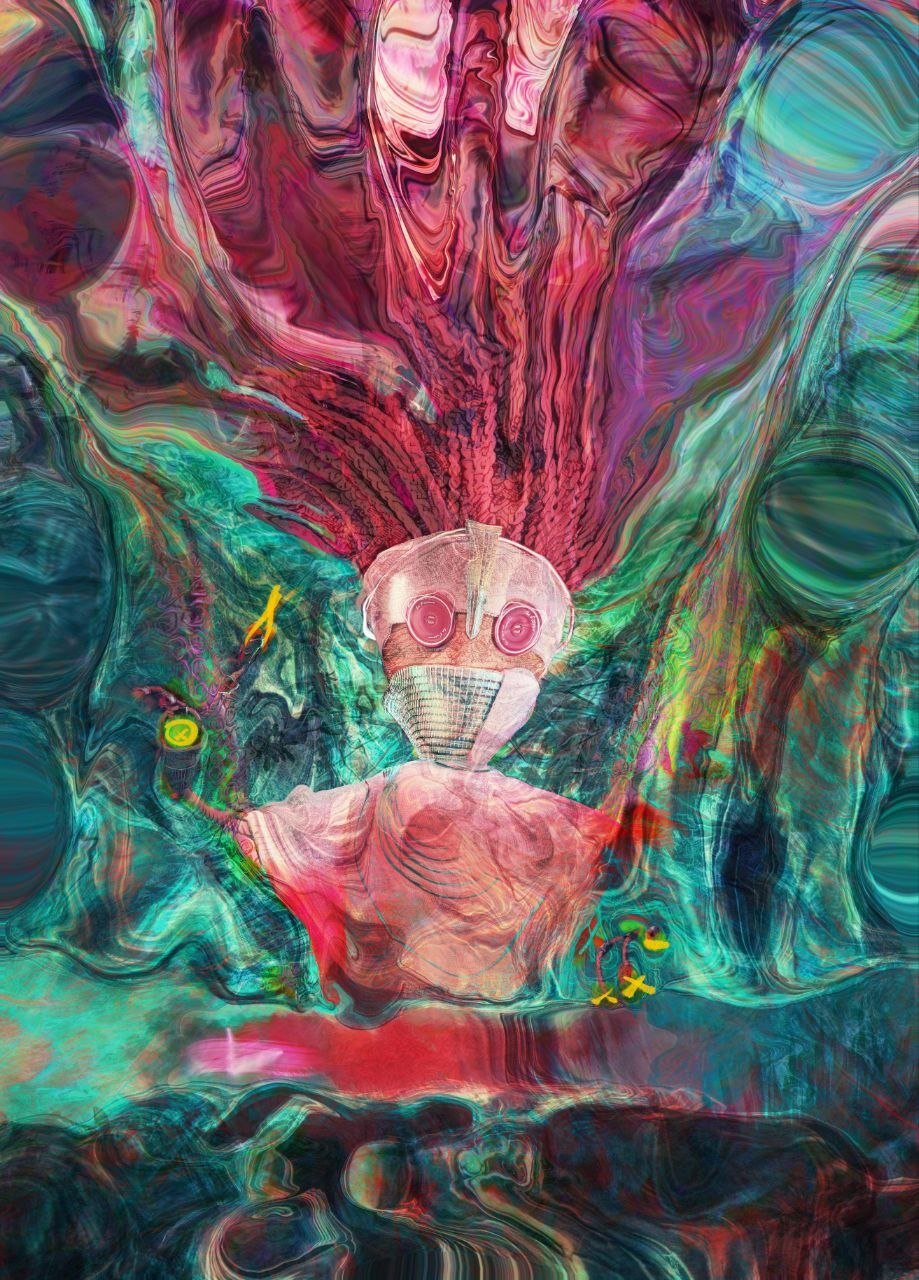
Andrii Gardu’s practice begins where conventional artistic categories start to break down. Originally from Kyiv and now based in Tel Aviv, the self-taught multidisciplinary artist works across photography, video, digital art, installation and experimental materials. Lab-grown meat, mushroom leather, construction materials and medical imagery can all enter his work when they serve the idea.
Rather than committing to a single medium, Gardu follows the questions behind each project. The psyche, biotechnology, identity and material transformation repeatedly intersect. As a result, his practice treats art less as a fixed discipline and more as a method for examining what it means to inhabit a changing human body and an unstable world.
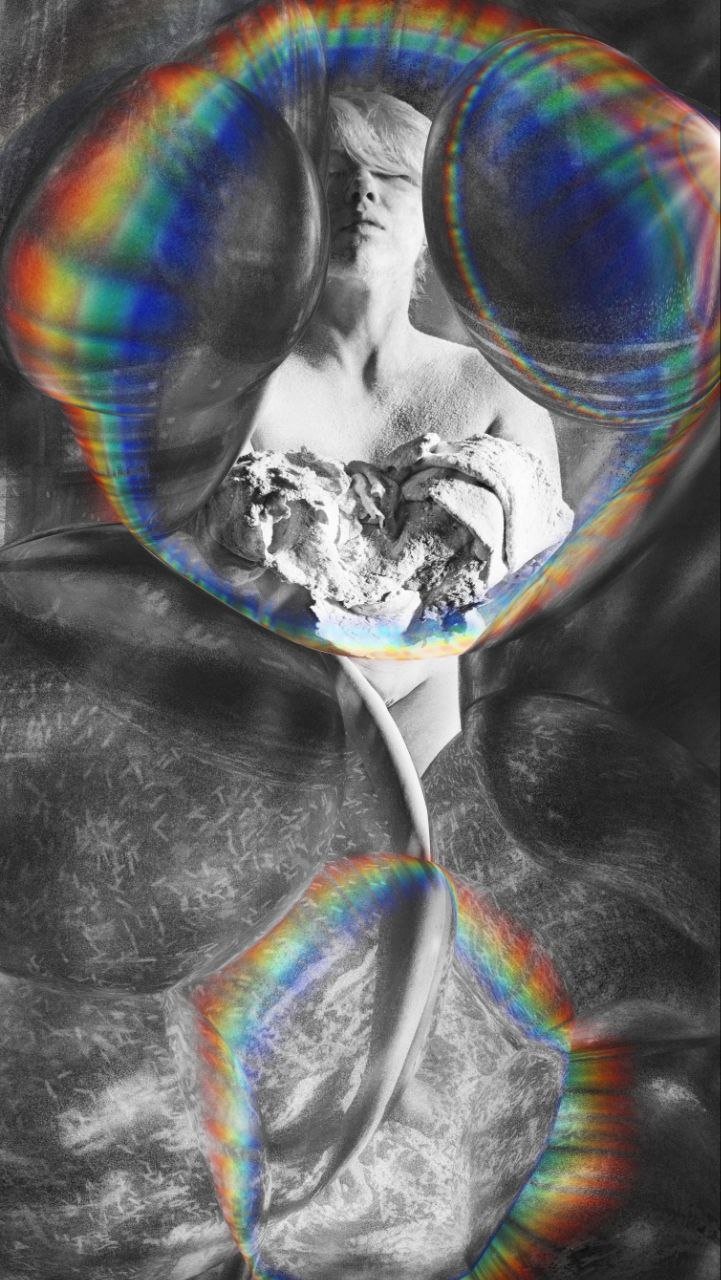
For years, becoming an artist was something Gardu resisted. His parents were artists, but their lives were also affected by mental illness and addiction. His grandmother raised him, and by his early twenties he had lost both parents. Those experiences complicated what an artistic life represented to him.
Instead, he built stability through technical disciplines. Sixteen years in video production, 3D, design and creative direction gave him an extensive visual vocabulary. Yet those skills were largely used to construct images for other people. The shift came when his wife, Liza, recognized what he had struggled to accept: beneath the technical career was an artist who had already learned many different languages for making art.
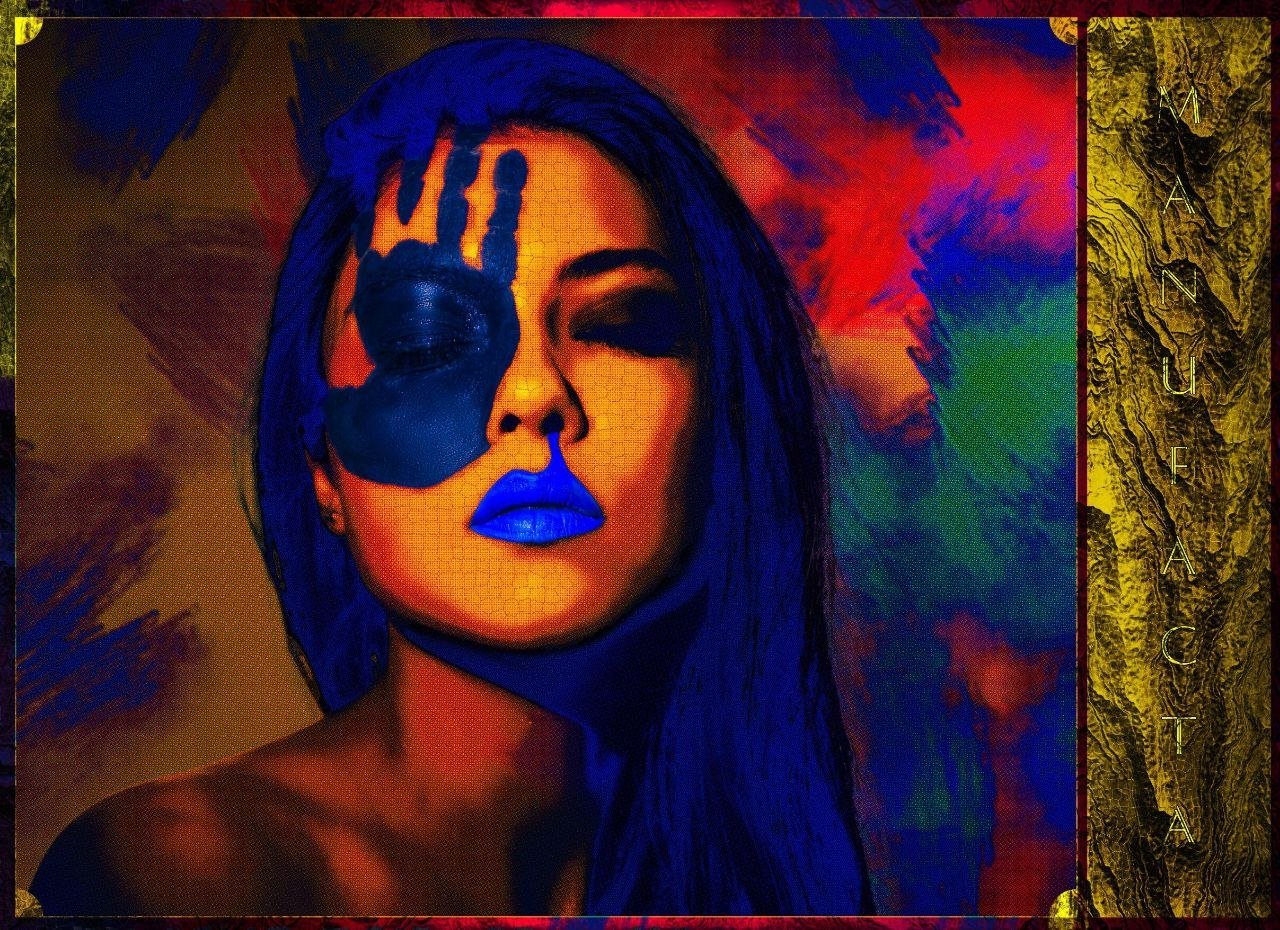
Chaos is not simply a subject within Gardu’s work; it is something he attempts to translate into physical form. His life has moved through unstable family structures, immigration, addiction, war and rapidly changing technology. Art gives him a way to examine the pressure created by those forces rather than pretending they can be neatly resolved.
This is where unusual materials become essential. Cultivated meat can resemble death while raising questions about slaughter. Mushroom leather exists somewhere between organism and manufactured object. Raw dough changes under every touch. Each material carries its own tension before Gardu even begins to work with it.
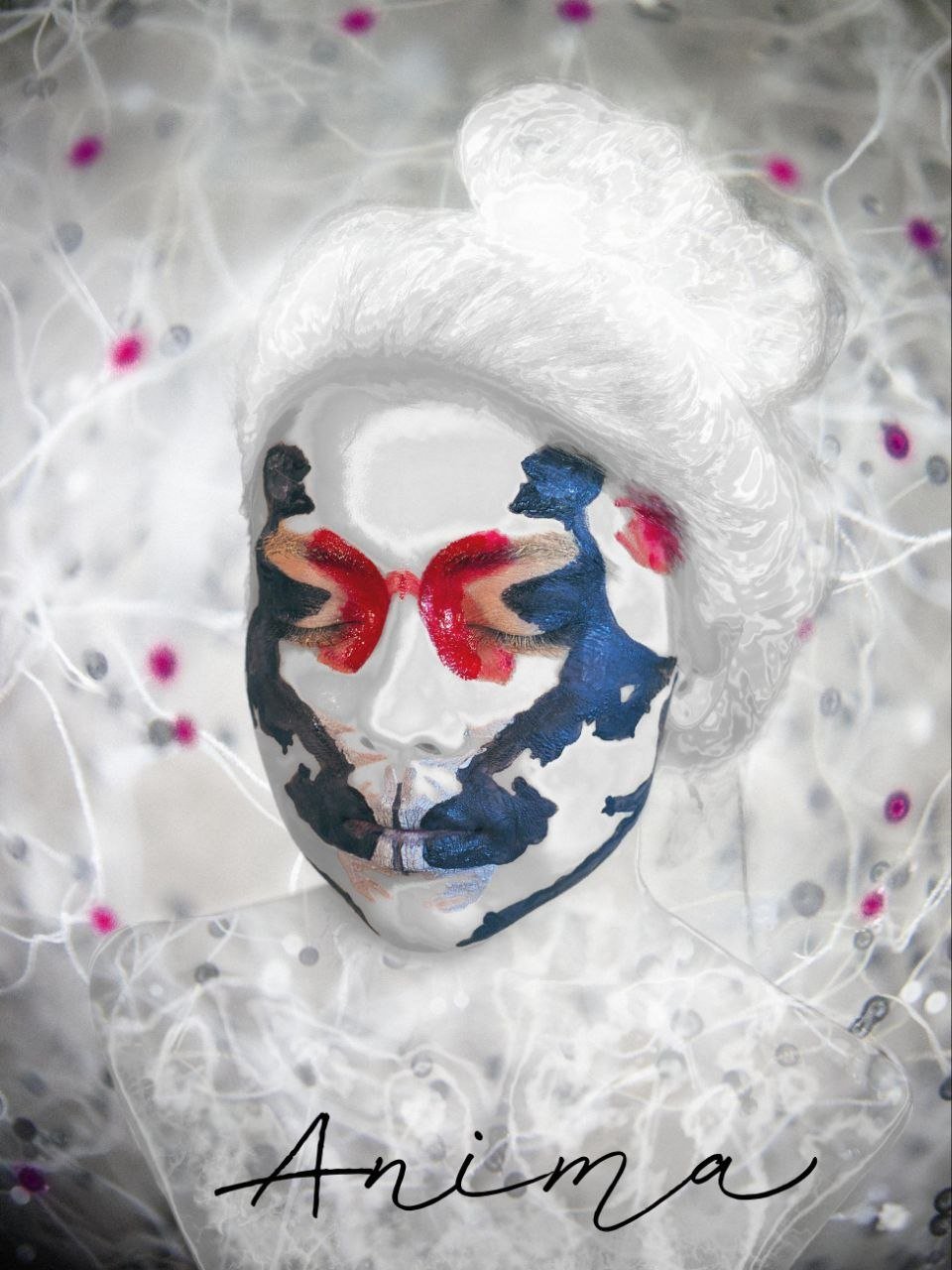
Resilience appears throughout this practice, although not as a simple story of overcoming hardship. Gardu is more interested in what remains after damage. He asks what changes, what disappears and what refuses to leave. The body becomes particularly important within these questions.
Medical scans can turn hidden biological structures into images, while organic materials blur the boundary between living matter and object. In this context, technology does not sit opposite humanity. Instead, science, memory, emotion and the physical body become different ways of investigating the same condition: how a person changes under pressure while continuing to exist.
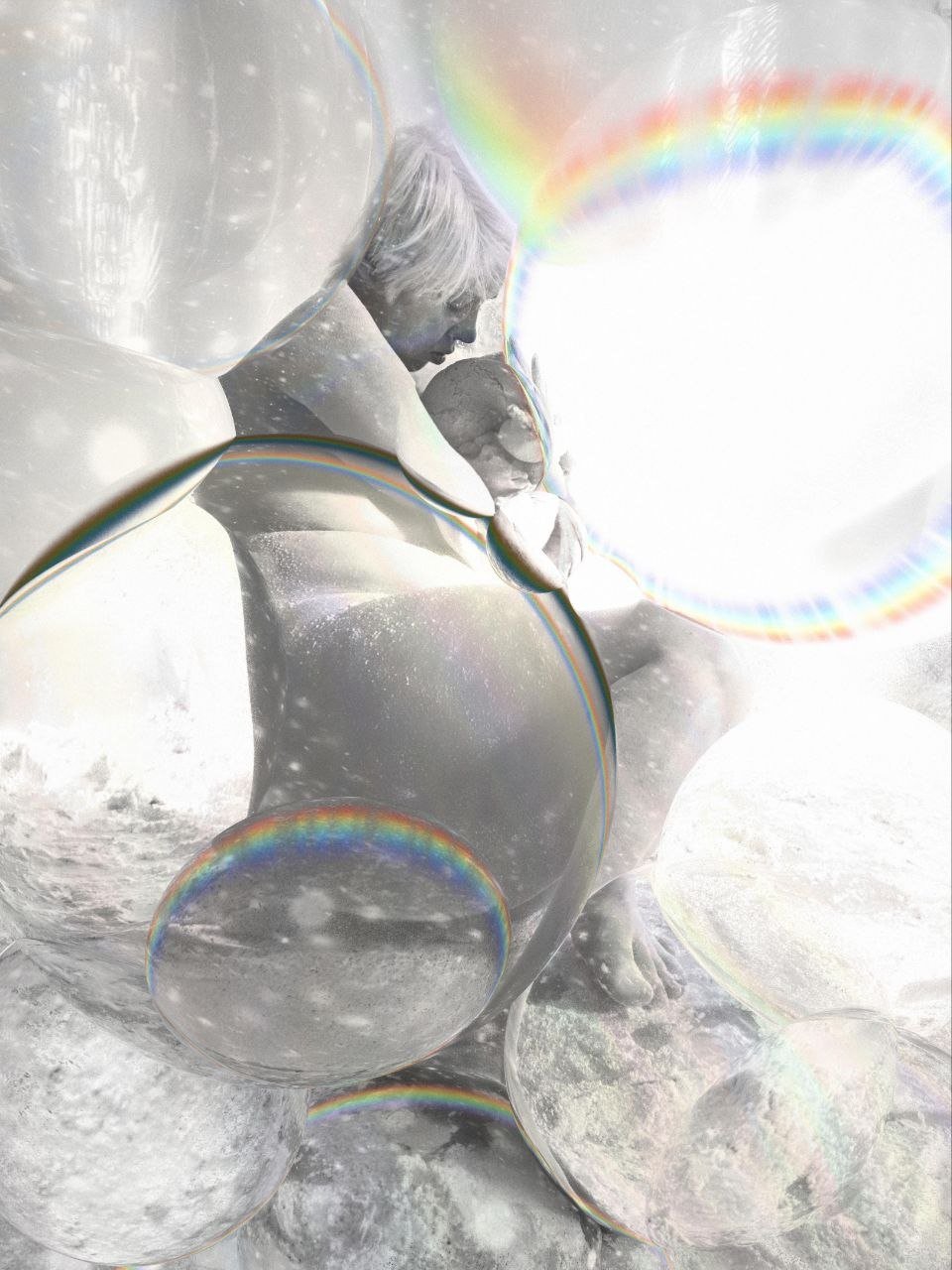
Even the name Gardu carries a story about constructed identity. It began as a writer’s name that Andrii invented when he was young. Years later, he and Liza legally adopted Gardu as their family name when they married. Something imaginary had crossed into lived reality.
That transformation mirrors a larger concern within the work. Gardu sees identities, nations, technologies and belief systems as structures people create partly to produce stability. Pressure, however, can expose their limits. Working independently and together with Liza as LA Gardu, he explores the distance between the identities people construct and what remains when those structures begin to shift.
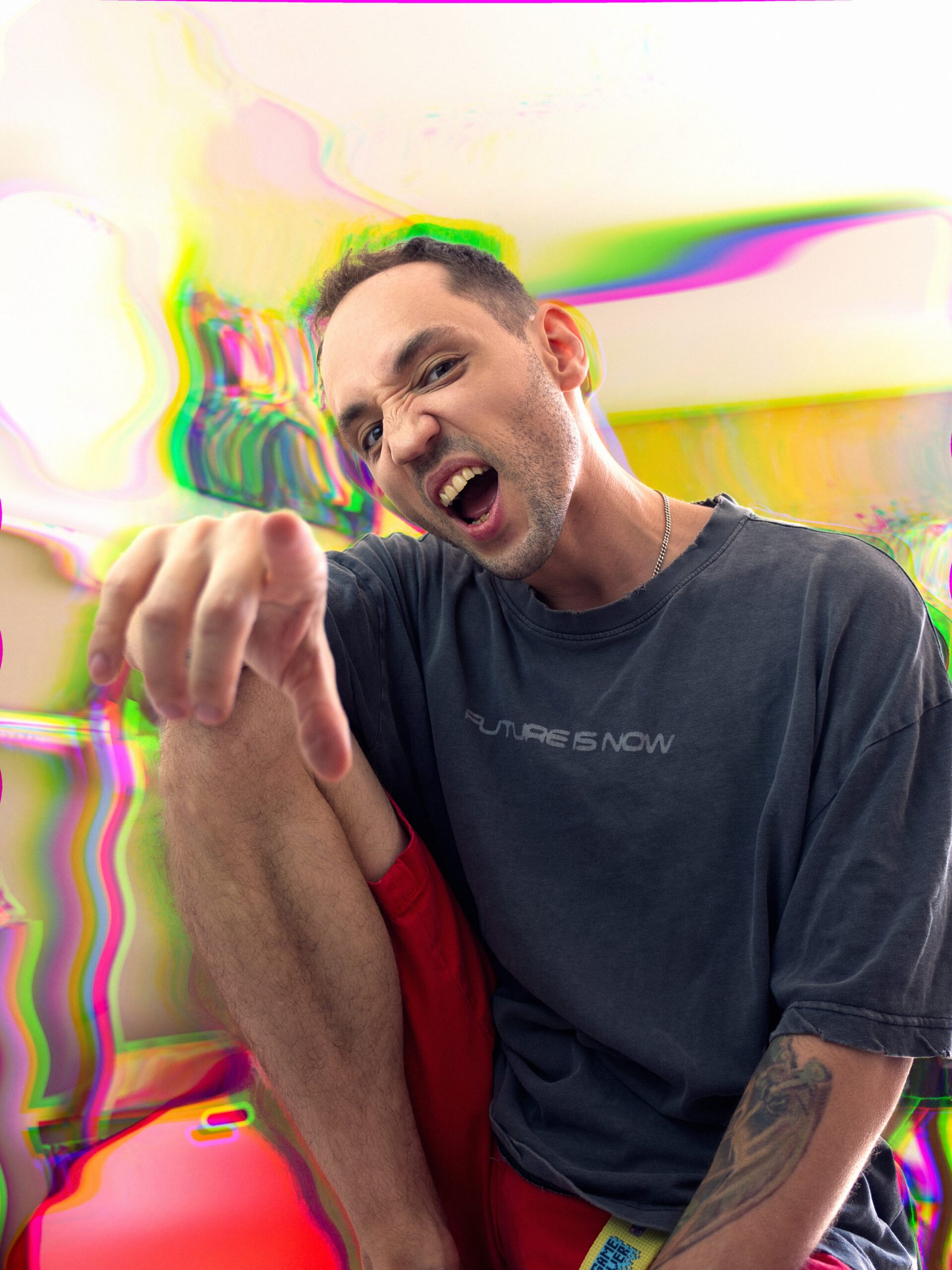
Ultimately, Gardu does not use art to create distance from reality. He uses it to move closer. Every project offers another way to examine the gap between appearance and experience, control and instability, destruction and survival. Curiosity keeps that investigation moving. One work may begin with biotechnology, another with a circulatory scan, raw dough or an unexpected construction material.
Two quotations he returns to illuminate different sides of this worldview: James Joyce’s “Nature abhors a vacuum” and the line “To dispel the darkness, a single candle is enough” from The Last of Us. Between absence and illumination lies much of the territory Gardu continues to investigate. The medium may change from one project to another, but the underlying material remains remarkably consistent: life itself.