Author Archives: admin

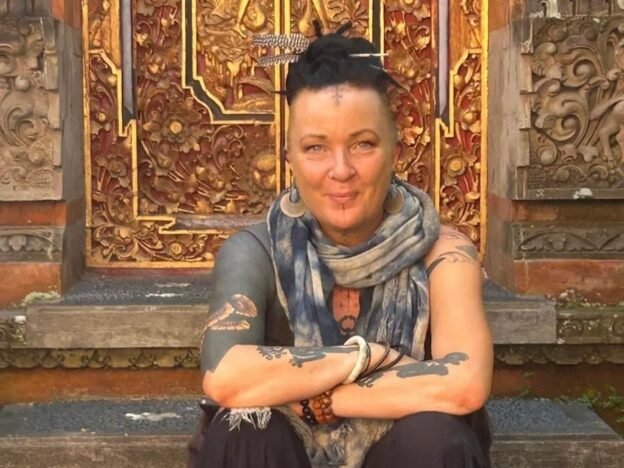
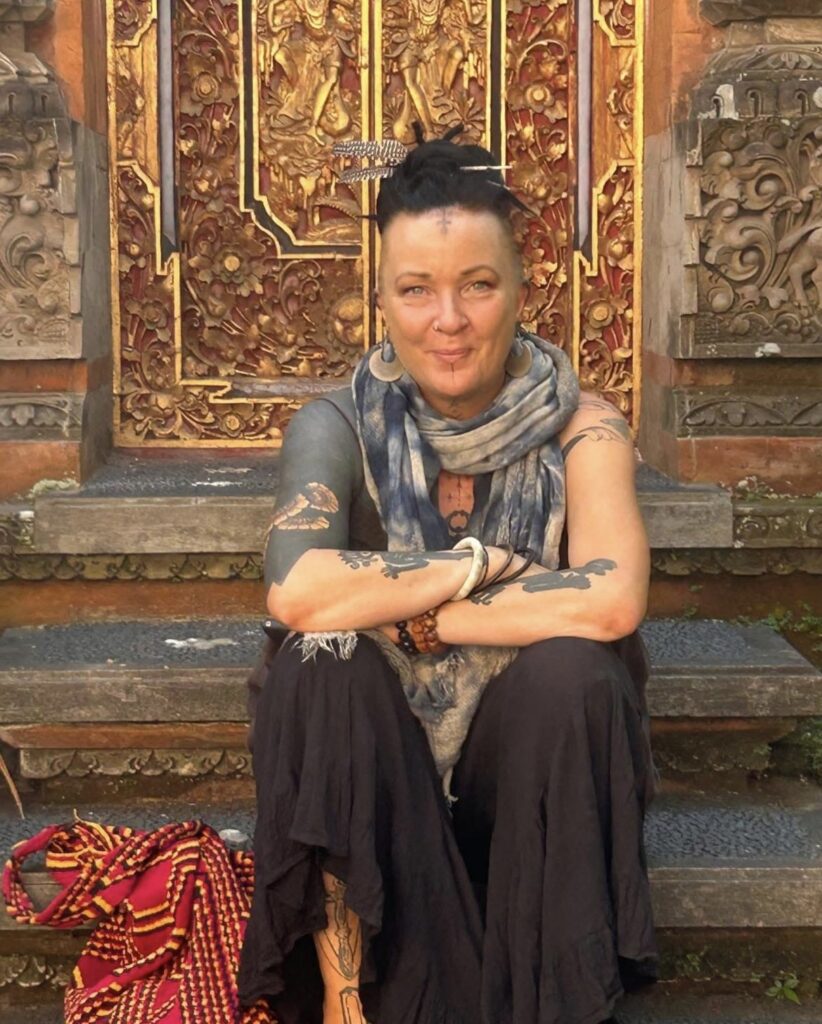
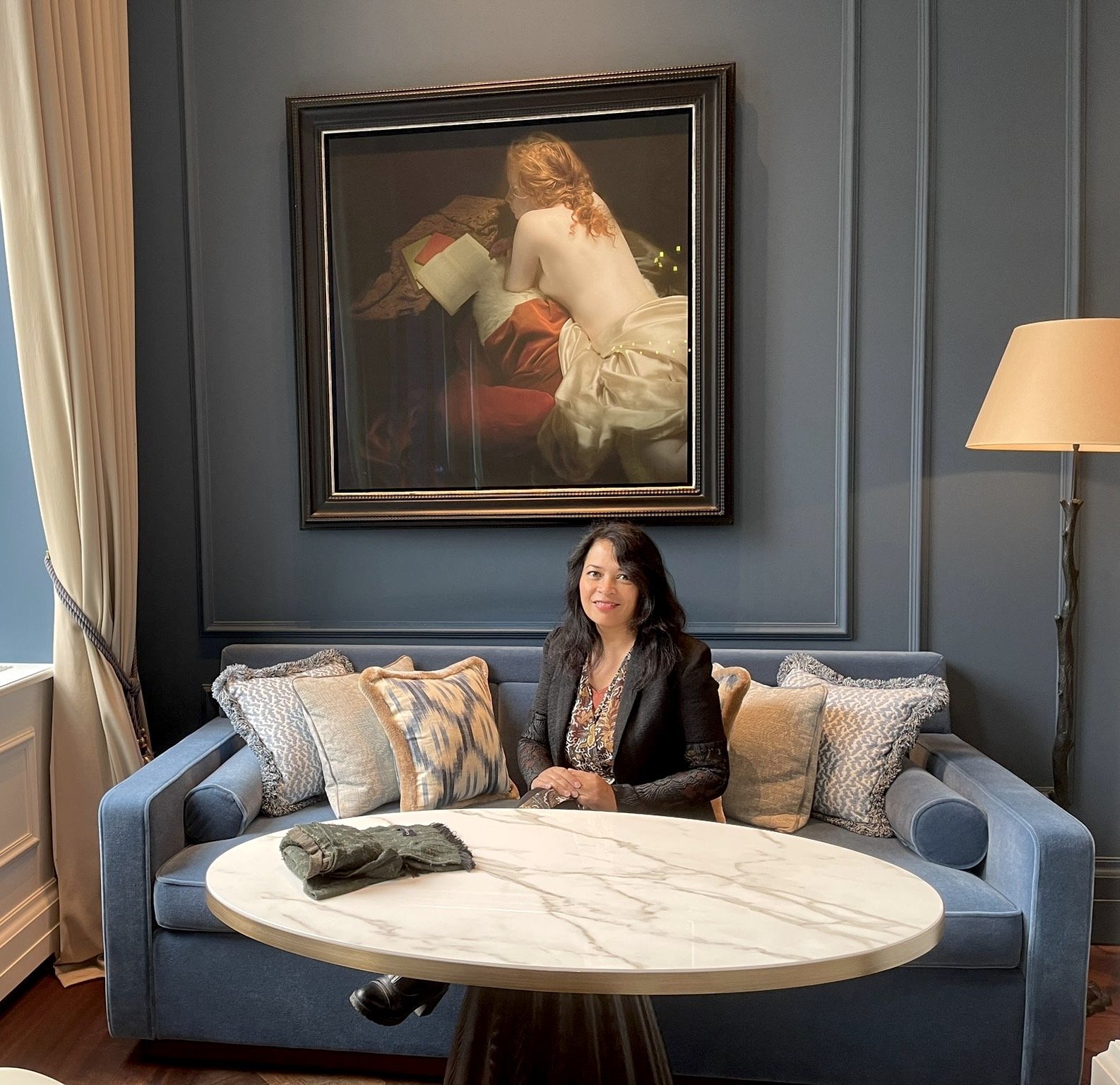
Mariska Karto

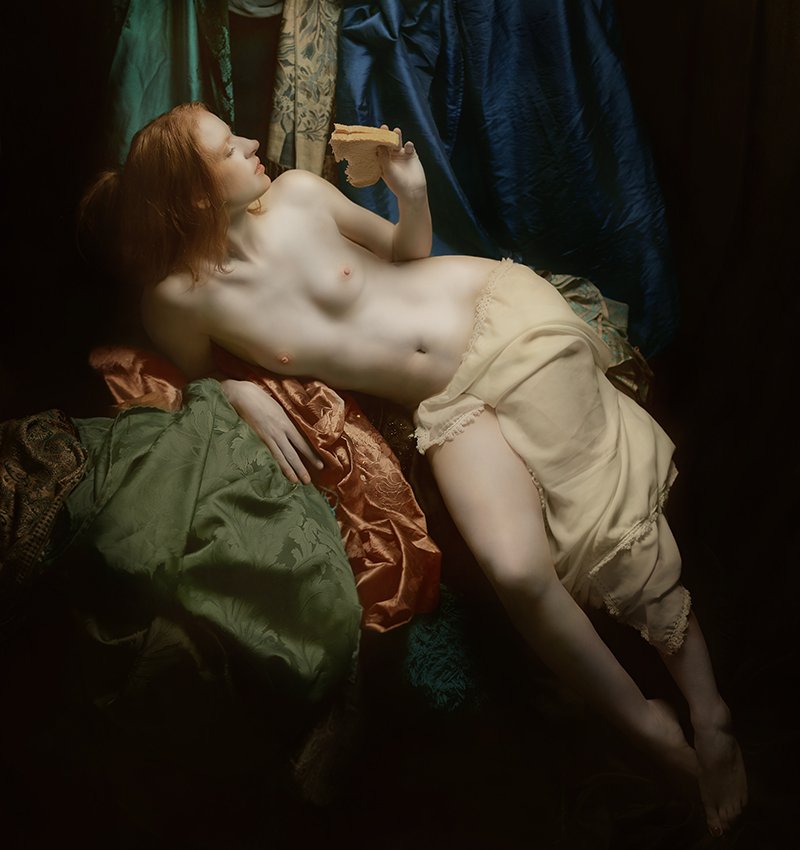
Some artists capture images.
Mariska Karto creates worlds.

Born in Suriname and shaped by roots across South America, Indonesia, Africa, and the Netherlands, Mariska’s work exists at the intersection of identity, emotion, and imagination.

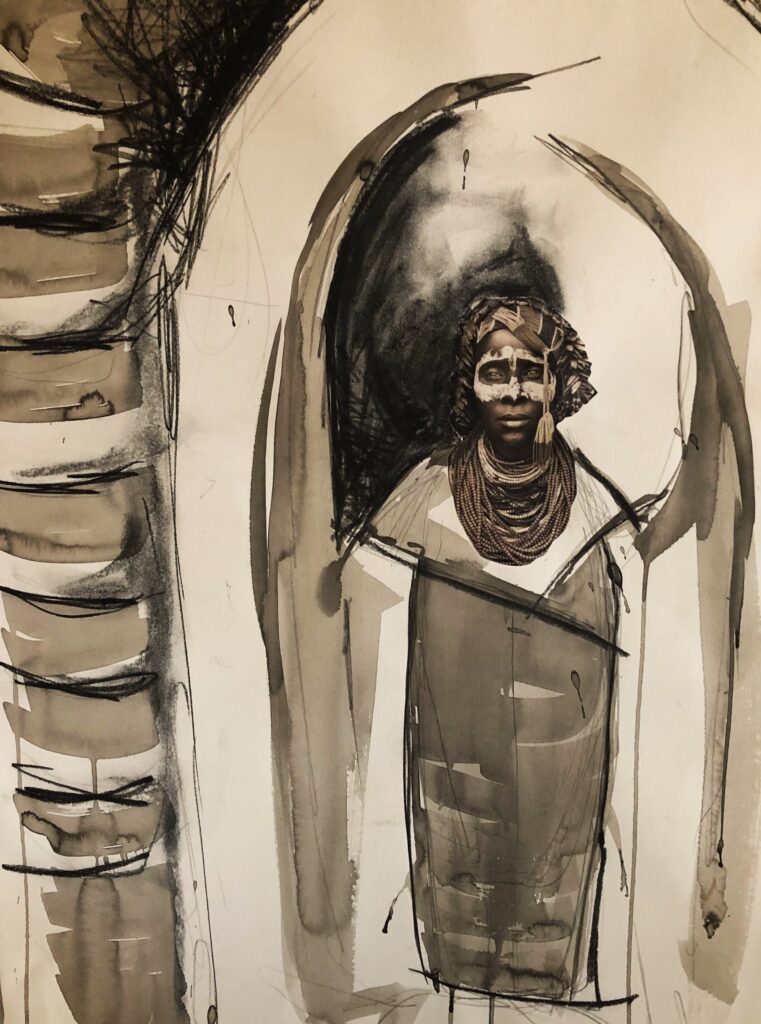
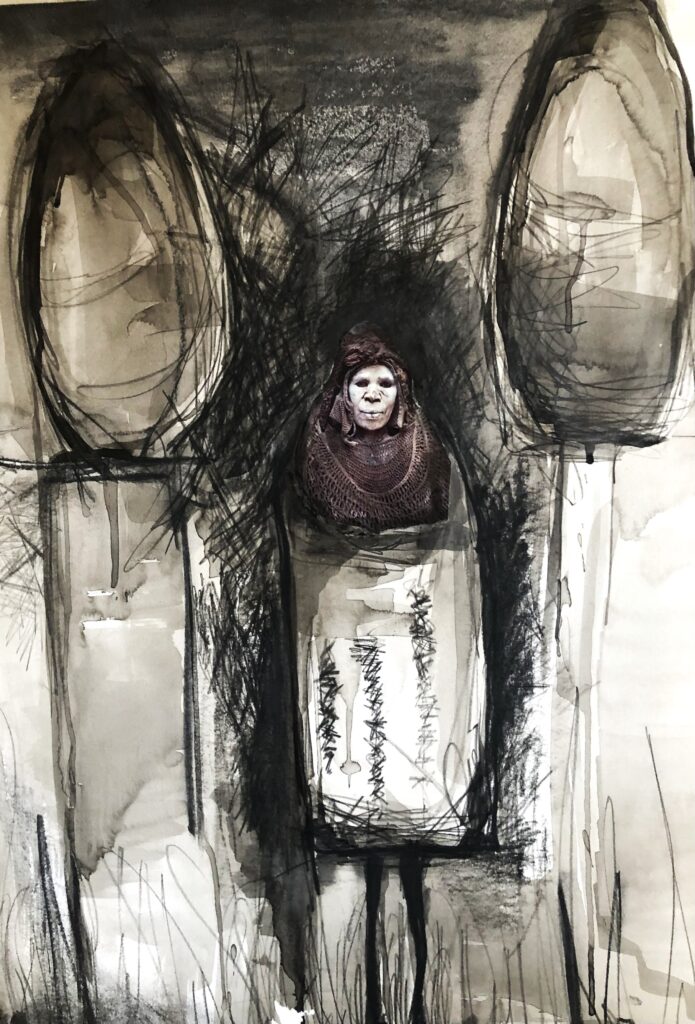
Mariska spends a lot of time carefully constructing her sets, which also involves her other talents. She sketches with charcoal, works with gold, textiles, and is an excellent photo manipulator. All of her talents come together in every piece of work she creates.

What begins as emotion transforms into atmosphere.

Today, her works do not simply present a subject.

Layered. Cinematic. Introspective.
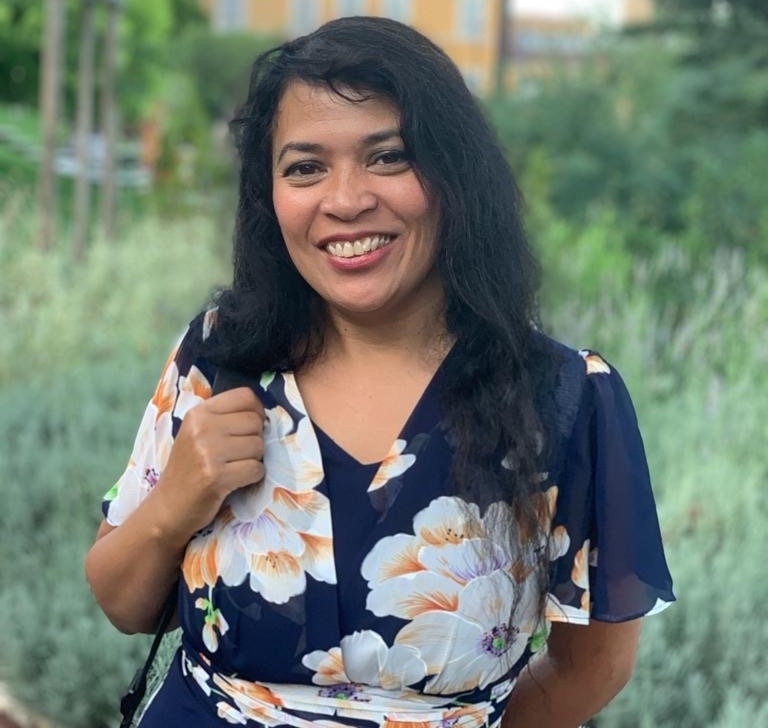


In what ways has your personal journey influenced the way you create?

Mariska’s journey began not with intention, but with necessity.

During a difficult period in her life, she felt an urgent need to express herself. Art was not a choice — it was a response.

She explored drawing.
She worked with textiles.
She experimented with form and texture.

Then came photography.

What started as a tool for expression quickly became her primary language — a way to translate emotion into visual form. That initial spark grew into a lasting force.

Her work is shaped by her multicultural identity.

Surinamese. Indonesian. African. Dutch.

These layers are not separate — they merge into a single visual language, influencing how she sees beauty, femininity, and connection.

Her practice is not constructed. It is lived.
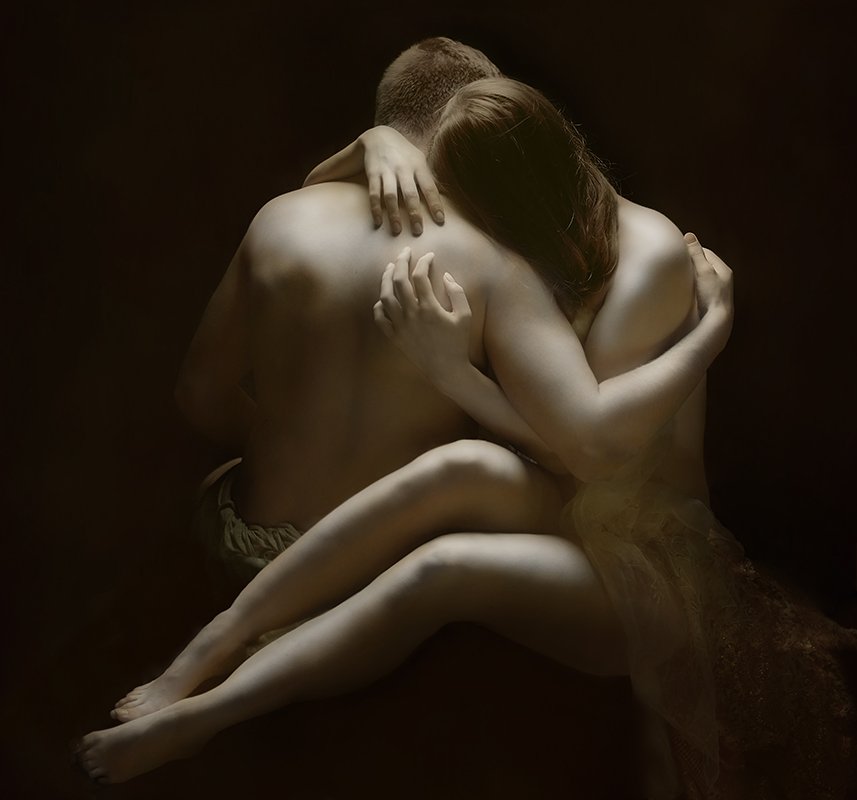
 

Who or what has had the strongest impact on your artistic direction?

Emotion is her foundation.
But Baroque became her turning point.

A defining moment came during a project in Venice. Surrounded by Baroque art, architecture, and history, she experienced something profound.

She saw her inner world reflected externally.

The depth.
The drama.
The intensity.

That encounter stayed with her — shaping her aesthetic into something more theatrical, more layered, more emotional.

Today, her work carries echoes of:

Baroque richness
Fantasy elements
Cultural symbolism
Her vision is immersive.
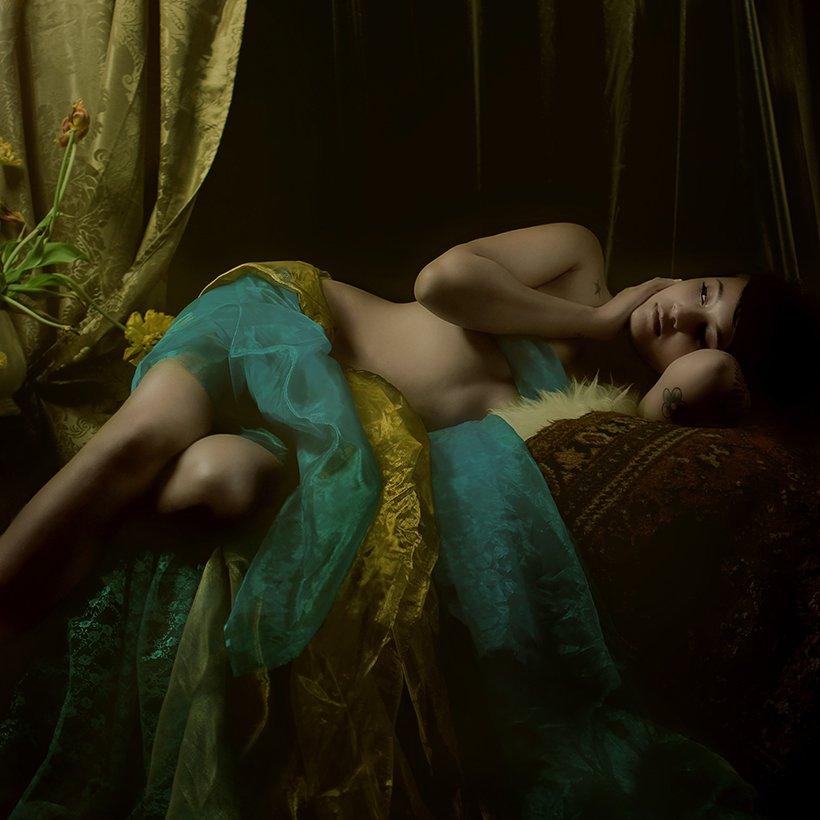
 

What themes, conversations, or challenges are you most drawn to exploring through your work?

At the heart of Mariska’s work lies duality.

Vulnerability and strength.
Darkness and light.
Silence and intensity.

She is deeply drawn to femininity — not as a fixed idea, but as a spectrum.

Her figures move between:

Quiet introspection
Powerful presence
Emotional exposure

Through this, art becomes a mirror.

A way to reveal what is hidden.
A way to confront what is felt but not always seen.

Her work also reflects a broader belief:

That diversity is not division —
it is beauty.

Different cultures, identities, and histories merge into one visual narrative, creating connection rather than separation.
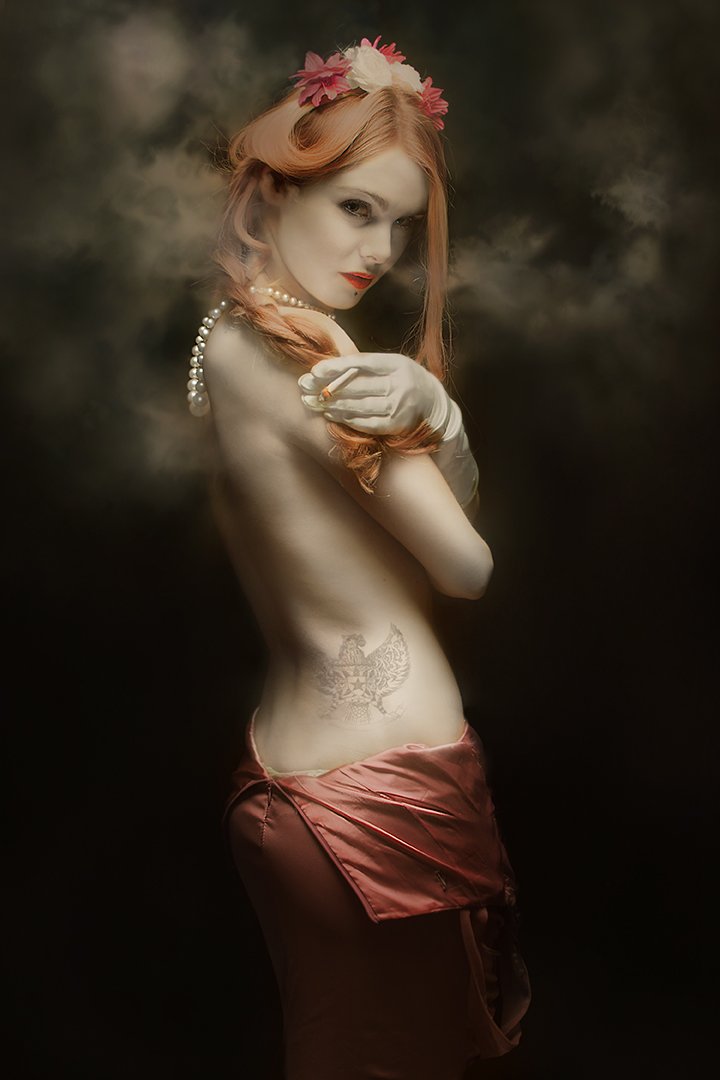
 

Where do you currently create from, and what inspires you about the artistic environment around you?

Mariska’s practice is both solitary and collaborative.

While much of her process happens internally — through concept, planning, and editing — her work also relies on human connection.

She collaborates with models.
She works with friends and creatives.
She builds environments where emotion can be shared and expressed.

Her process is intensive:

Conceptualising.
Building sets.
Directing shoots.
Refining through editing.

Every stage demands presence and energy.

Yet she embraces it fully.

Because for her, creating is not just visual — it is physical, emotional, and human.

Her work is shaped not only by imagination, but by real interaction, real bodies, real presence.
 

Constructing Inner Worlds

Mariska Karto’s work exists between reality and imagination.

Through layered imagery, cultural depth, and emotional intensity, she creates visual worlds that feel both intimate and expansive.

Her work reminds us that identity is not singular.

It is layered.
It is evolving.
It is alive.

In her world, images are not just seen.

They are felt.


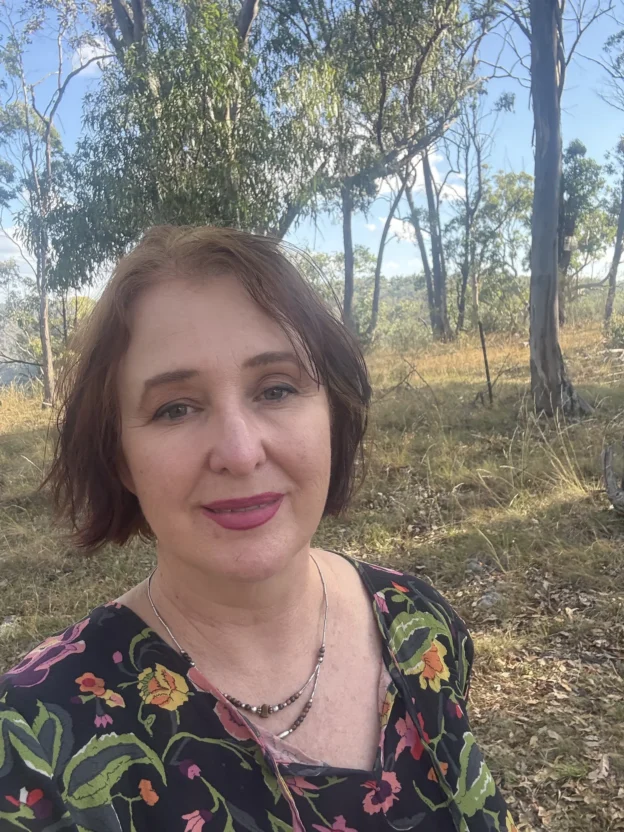
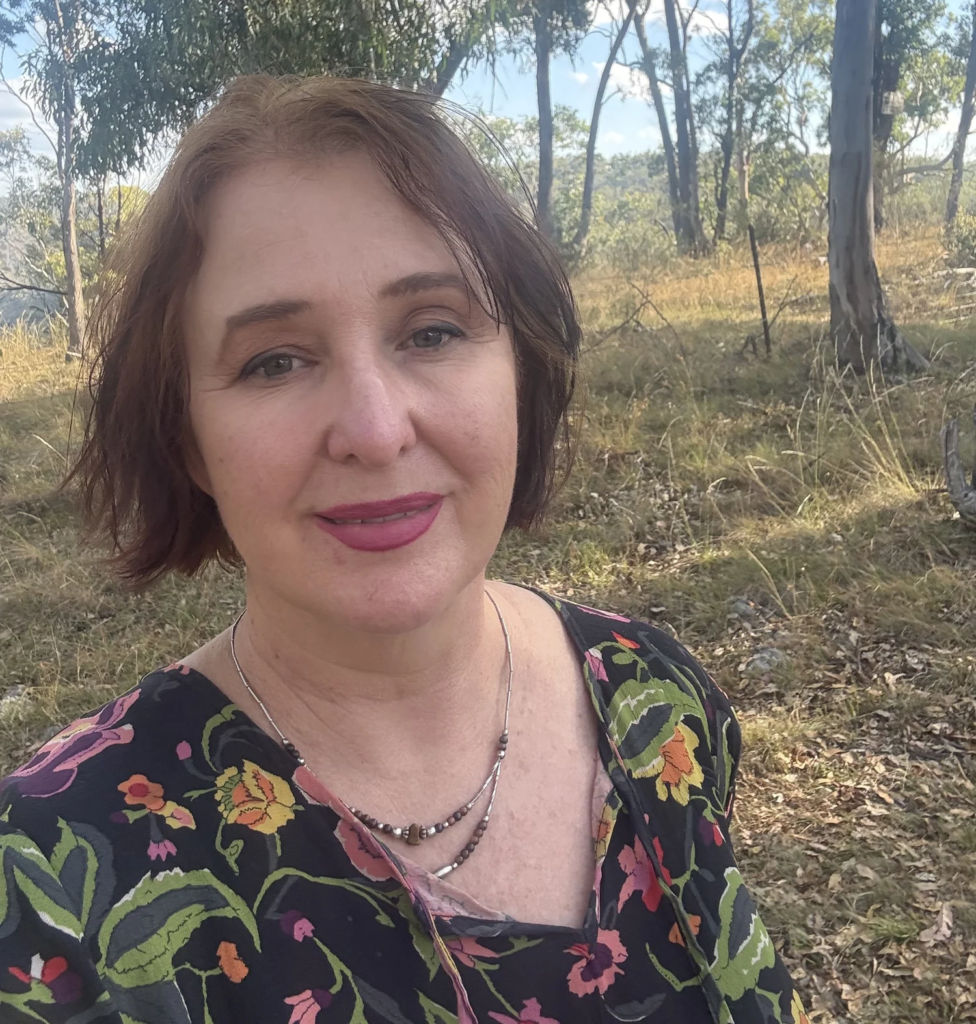
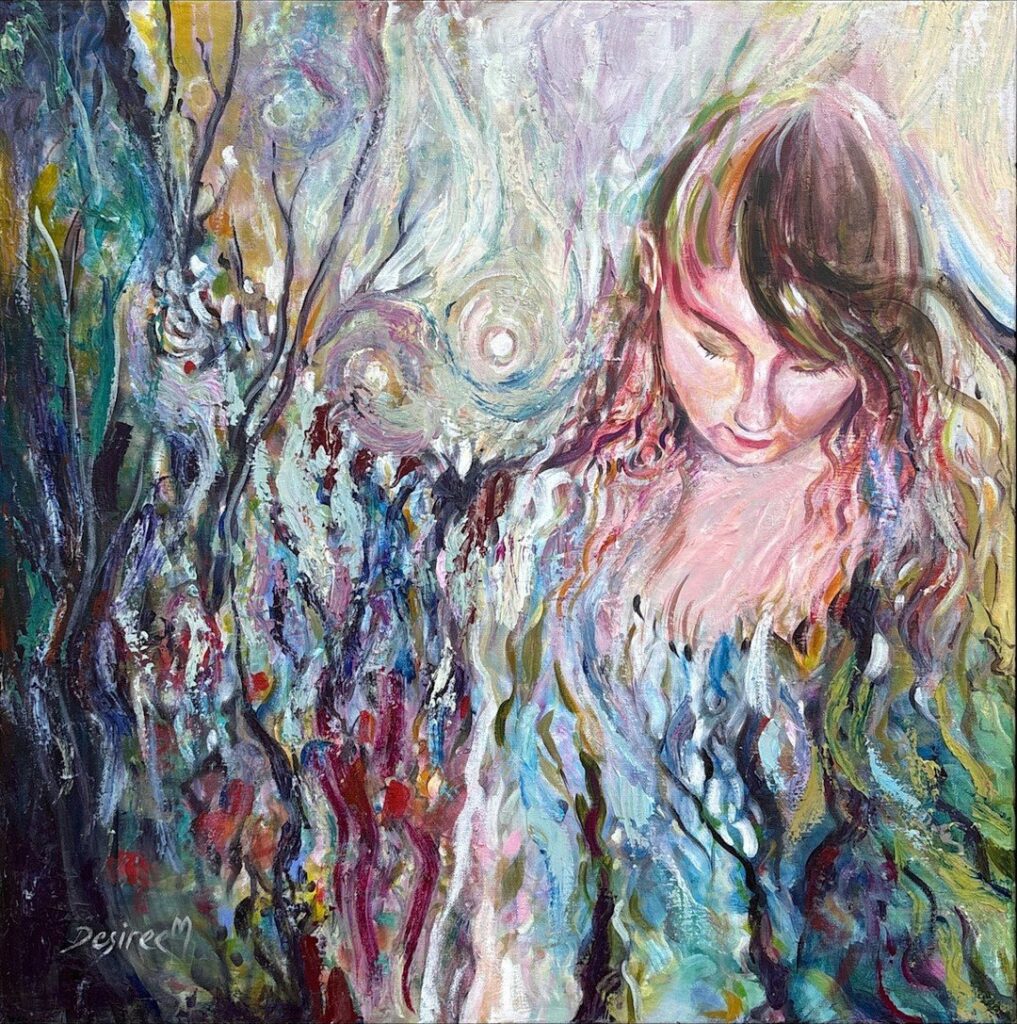
Desiree Martin

Some artists paint what they see.
Desiree Martin paints what she feels.

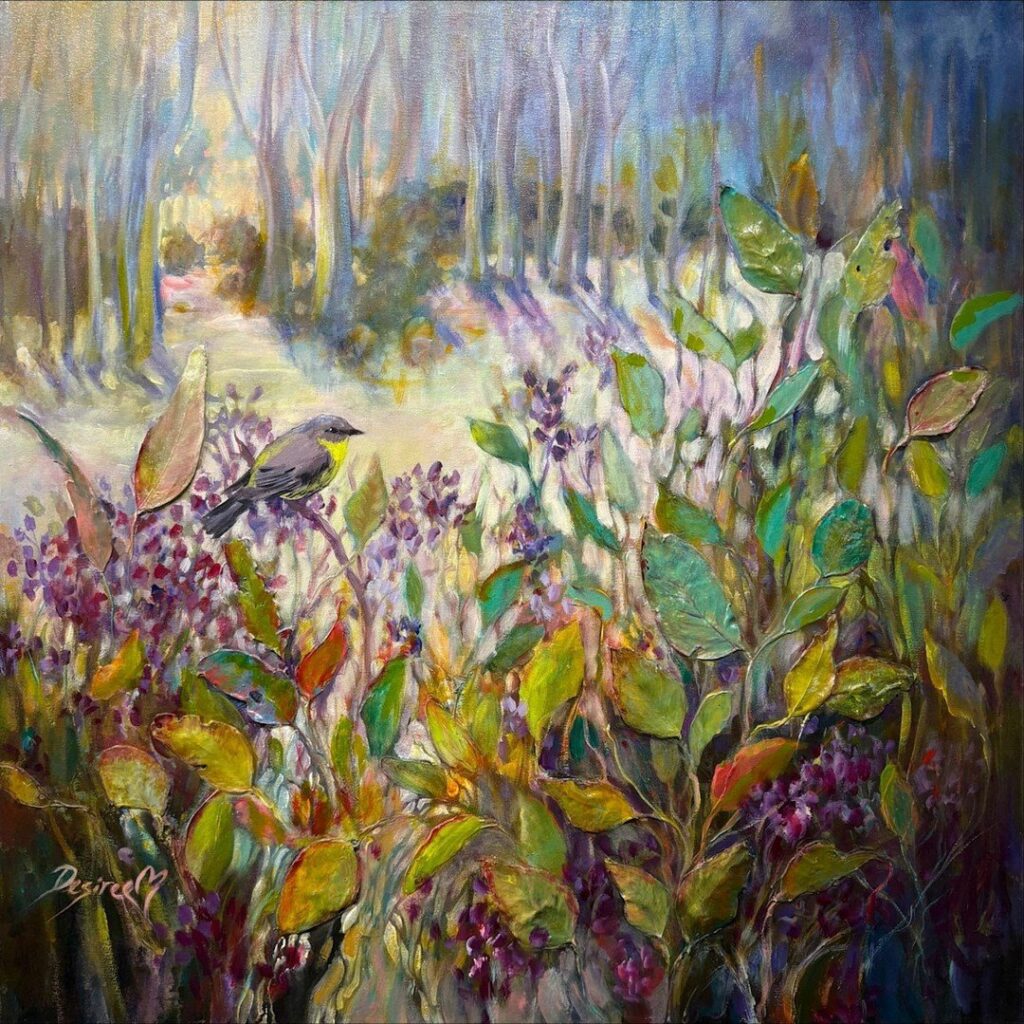
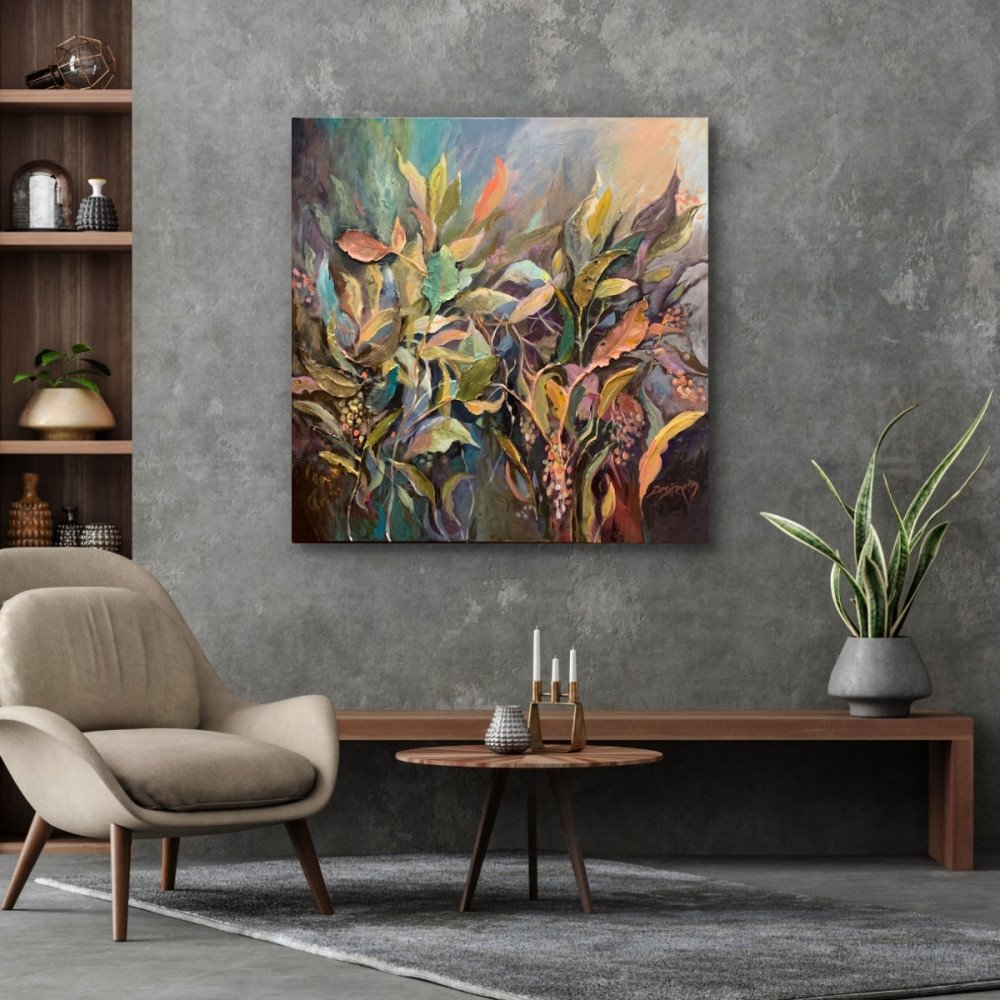
A Sydney-based artist, Desiree’s work exists at the intersection of memory, culture, and place. Rooted in her connection to Australian landscapes and community, her paintings blend abstraction and realism into vibrant, expressive compositions.

What begins as observation transforms into emotion.

Today, her works do not simply depict nature —
they translate belonging.

Grounded. Expressive. Alive.


Who or what has had the strongest impact on your artistic direction?

Country is her greatest influence.

Bushland. Native birds. Open skies.
The quiet energy of everyday Australian life.

Desiree is deeply inspired by how nature holds both stillness and movement. The warmth of light on gum leaves. The rhythm of birds in motion. The subtle poetry of familiar places.

She observes not just how things look — but how they feel.

Working with bold colour, layered textures, and mixed media, she creates compositions that feel both expressive and grounded.

Her work becomes a dialogue:

Between abstraction and recognition.
Between energy and calm.
Between memory and presence.

She captures familiarity without literalness.
Emotion without explanation.

What themes, conversations, or challenges are you most drawn to exploring through your work?

At the heart of Desiree’s practice lies connection.

Connection to land.
Connection to culture.
Connection to self.

Her work explores:

The feeling of belonging
The relationship between people and place
The quiet strength of nature and community
The emotional layers within everyday moments

Her paintings are not about exact representation.
They are about experience.

She builds space for the viewer.

A space to remember.
A space to feel.
A space to interpret.

Rather than defining a narrative, she opens it.

Her works are not fixed meanings.
They are shared experiences.

Where do you currently create from, and what inspires you about the artistic environment around you?

Rooted in Sydney, Desiree creates within a landscape that constantly informs her work.

The energy of Western Sydney.
The familiarity of Parramatta.
The presence of community and culture.

Her environment is not separate from her practice — it is embedded within it.

She observes light, movement, and atmosphere in everyday life. These moments become the foundation of her work.

Her studio becomes a space of translation.

Where colour becomes memory.
Where form becomes feeling.

More than belonging to a specific style, she belongs to a way of seeing — one that values intuition, emotion, and connection.

She continues to evolve, guided by instinct and experience.

Painting Belonging

Desiree Martin’s work exists between feeling and form.

Through colour, texture, and layered expression, she creates paintings that feel alive — grounded in place yet open to interpretation.

Her work reminds us that connection is not something we see.

It is something we feel.

In her world, landscapes are not just places.

They become memory.
They become identity.
They become home.


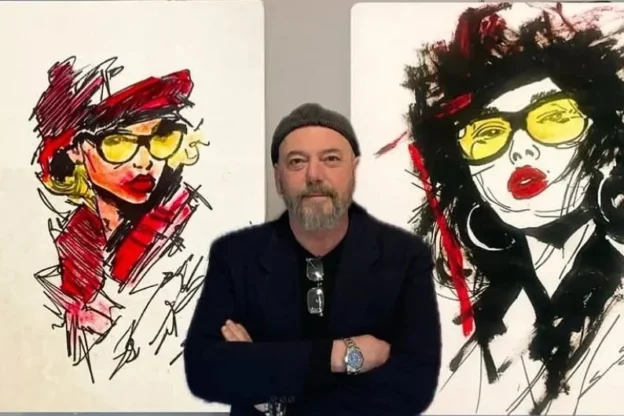
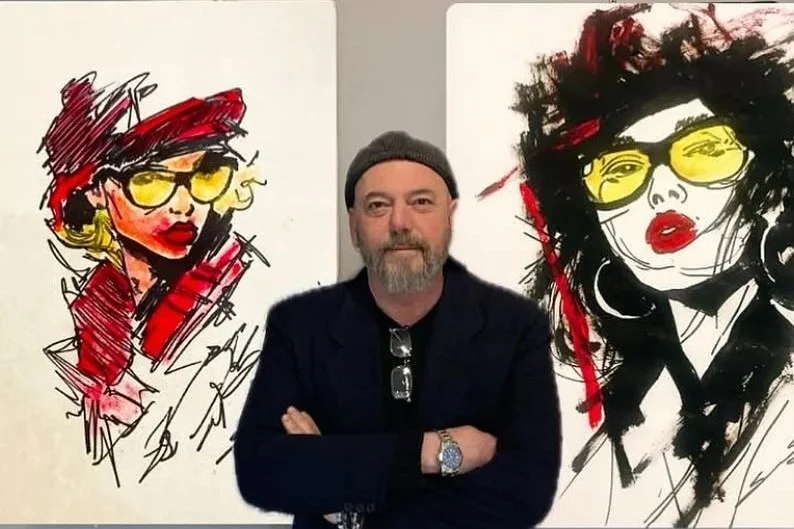
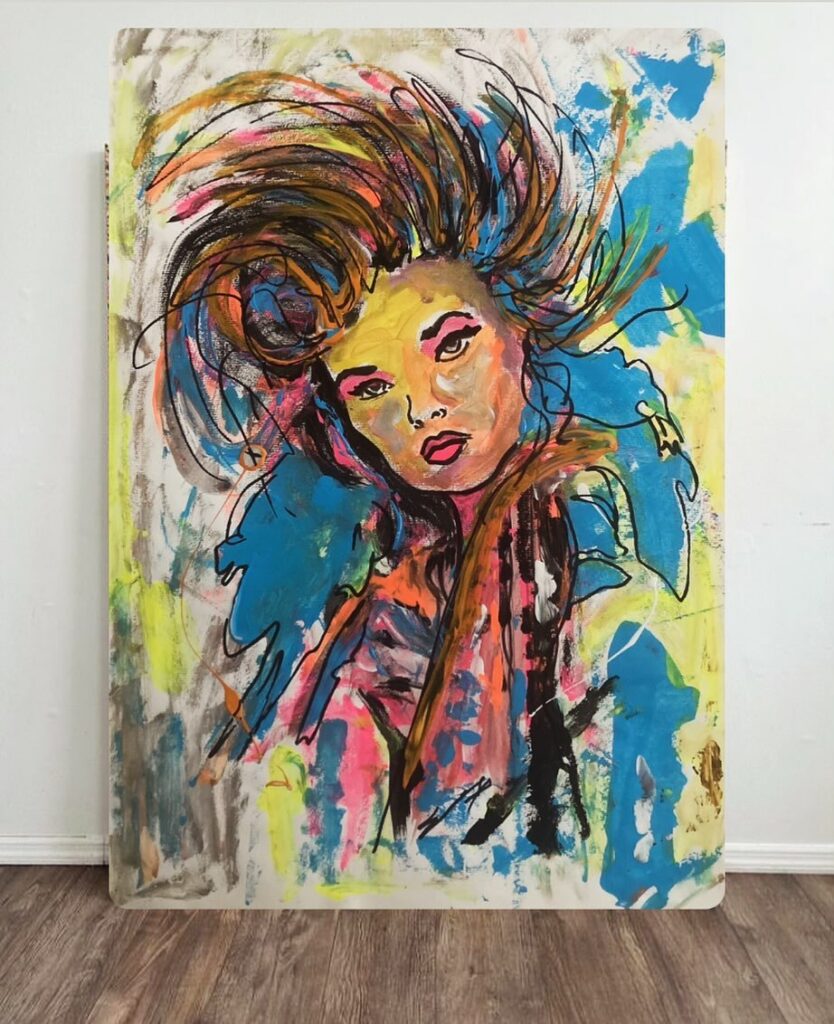
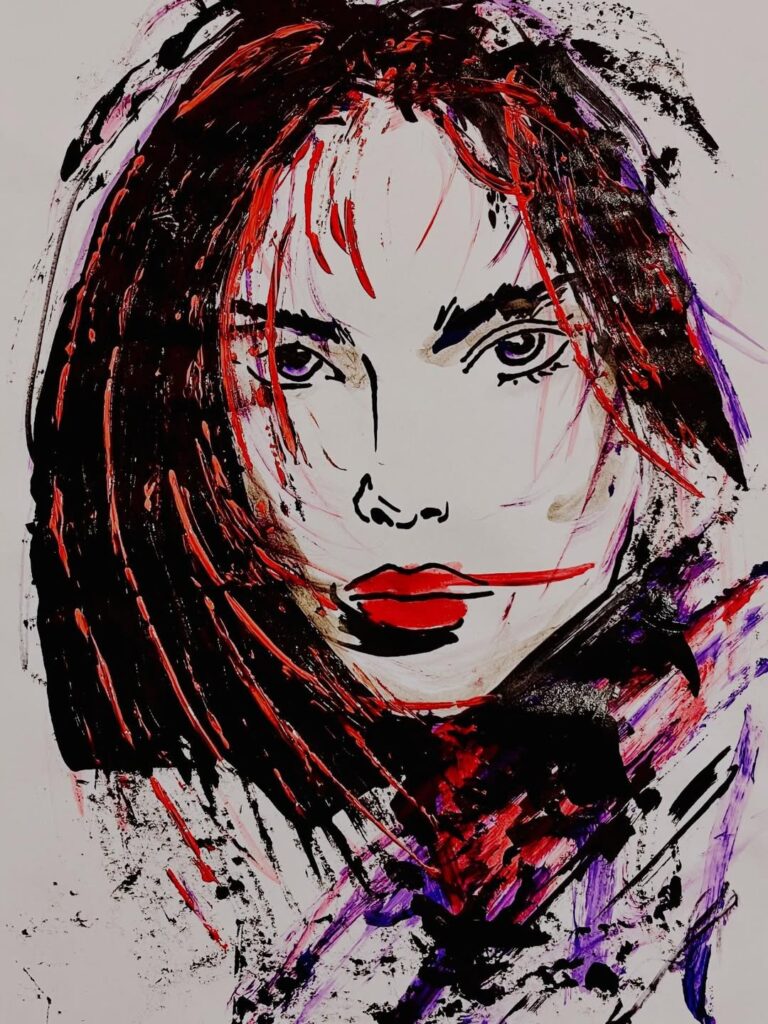
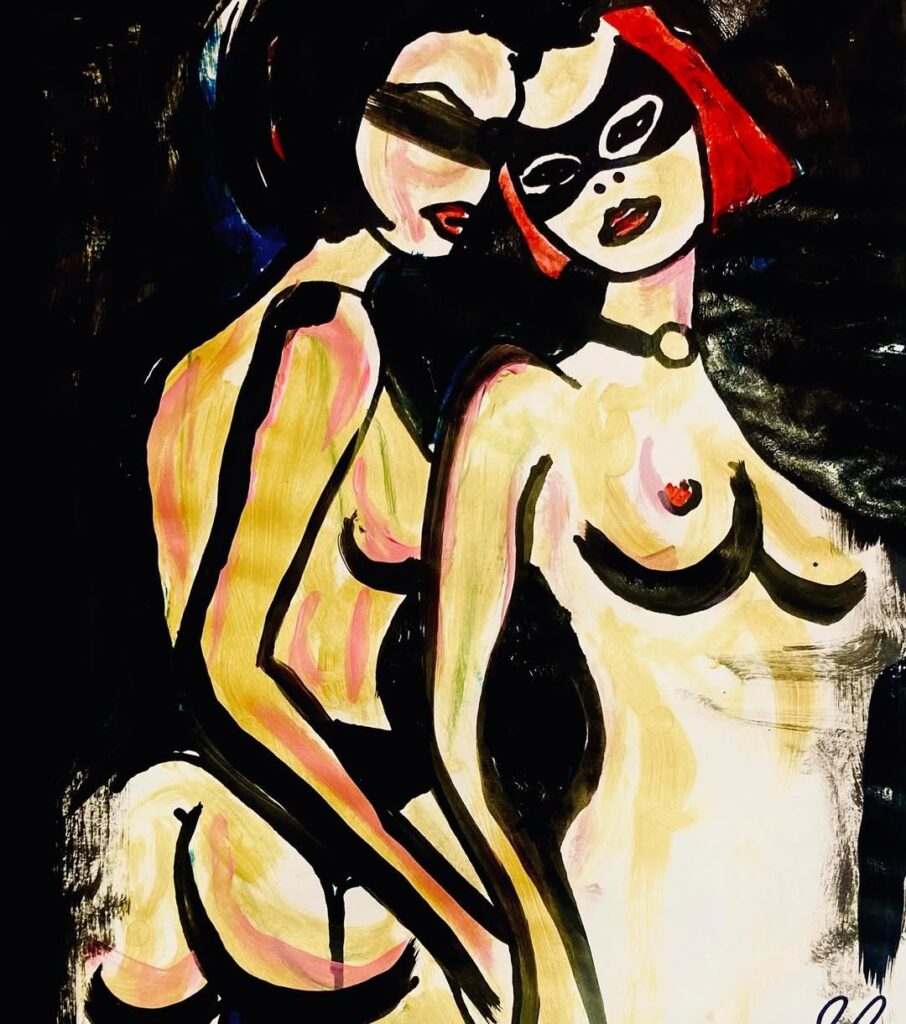
Massimiliano Sciuccati

An Emotional Journey Through Colour and the Feminine

Since beginning his artistic journey in 2018, this artist has quickly established a presence on both national and international stages. With participation in over 50 group exhibitions across Italy and abroad, his work continues to evolve around one central force: emotion.


How did your artistic journey begin and grow so quickly?

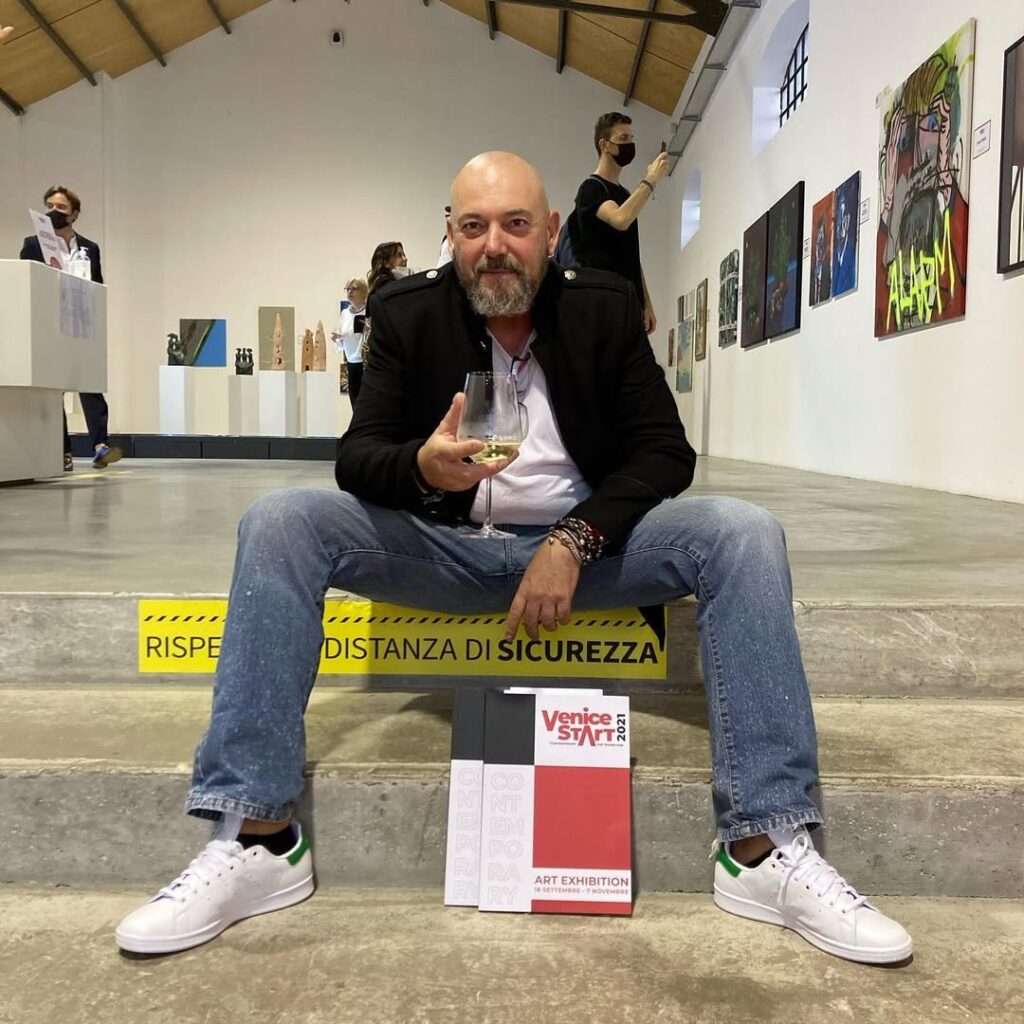
I began my artistic career in 2018, and soon after I started exhibiting my work. My first group exhibition was in 2019 at Art Luxury Gallery in Milan, which opened the door to many opportunities.

Since then, I’ve taken part in over 50 exhibitions, including Venice Start, Pro Biennale in Venice, and international shows like Overseas in Sydney. My work has also been featured in publications such as Atlante dell’Arte De Agostini.

What role do emotions play in your work?

Emotions are the foundation of everything I create.

I draw inspiration from moments in life that leave a strong impression on me. Through colour, I translate those feelings onto the canvas. Art is not just something I do — it is a necessity, my way of expressing what I feel internally.

Why are women central to your artistic practice?

Women are at the heart of my work.

Through painting female figures, I explore their inner worlds — their strength, vulnerability, joy, and struggle. My aim is to go beyond the surface and reveal something deeper: the emotional and psychological layers that define the human experience.


How would you describe the visual language of your art?

My work is driven by energy, movement, and intensity.

I use vibrant colours and expressive forms to represent inner forces. Whether figurative or more abstract, each painting carries emotion — something dynamic that reflects life itself.


What do you want viewers to feel when they experience your work?

I want people to feel something real.

Each painting tells a story, but that story is open to interpretation. I hope viewers connect with the work in their own way — whether it reminds them of a memory, a feeling, or a moment in their life.

More than anything, I want my art to take them on an emotional journey.


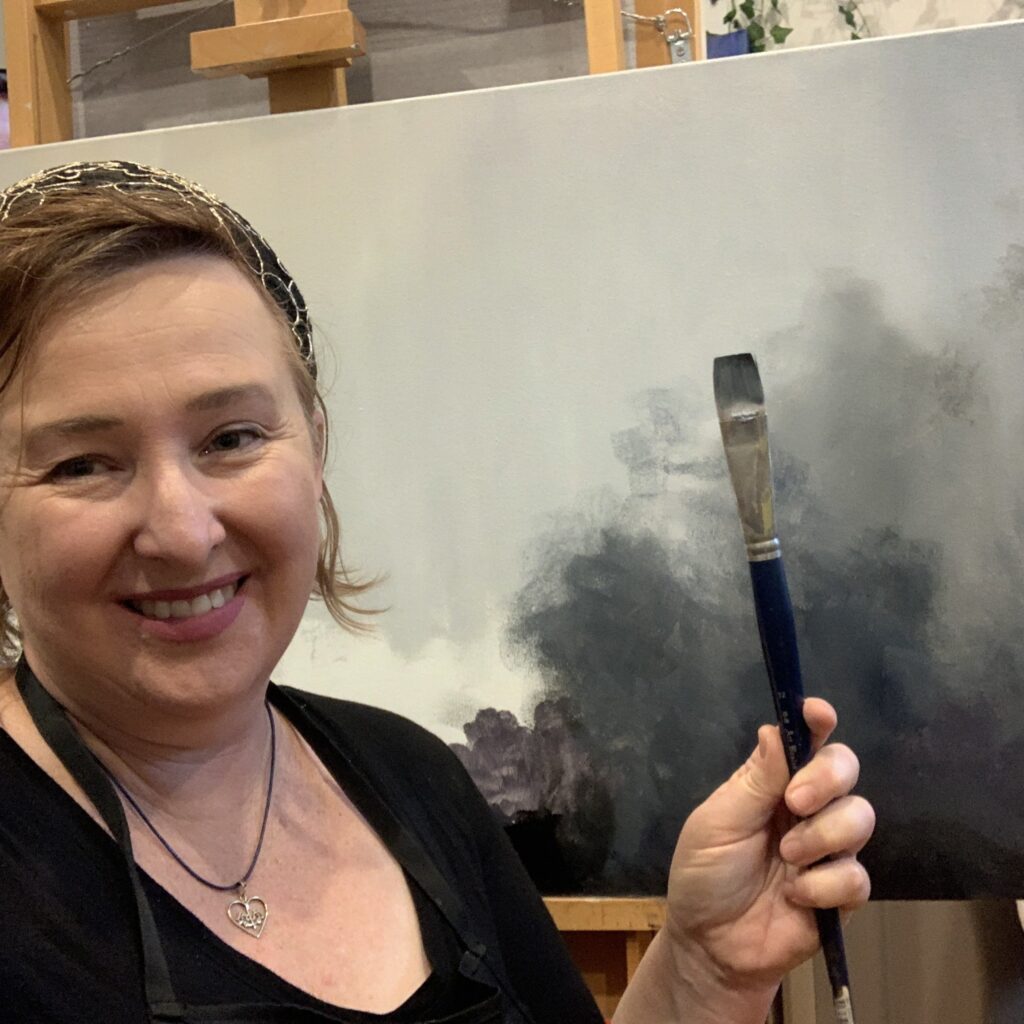
Fiona Reeve

Fiona Reeve


A Practice Rooted in Pattern, Place, and Quiet Observation

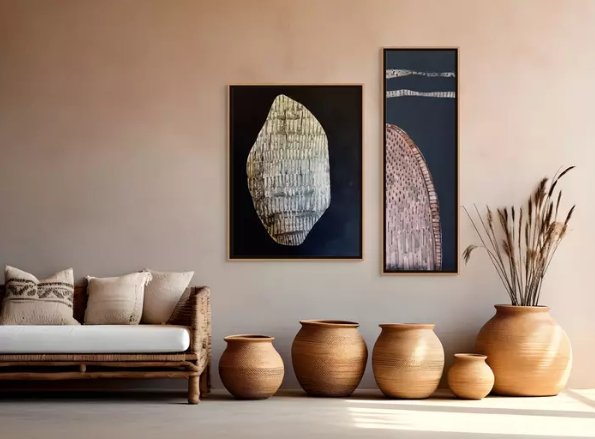
With over three decades of experience, this artist’s work is a reflection of time, place, and attention. Moving between Malaysia, Indonesia, and Canada, their practice has evolved into a quiet exploration of natural forms, repetition, and subtle beauty.

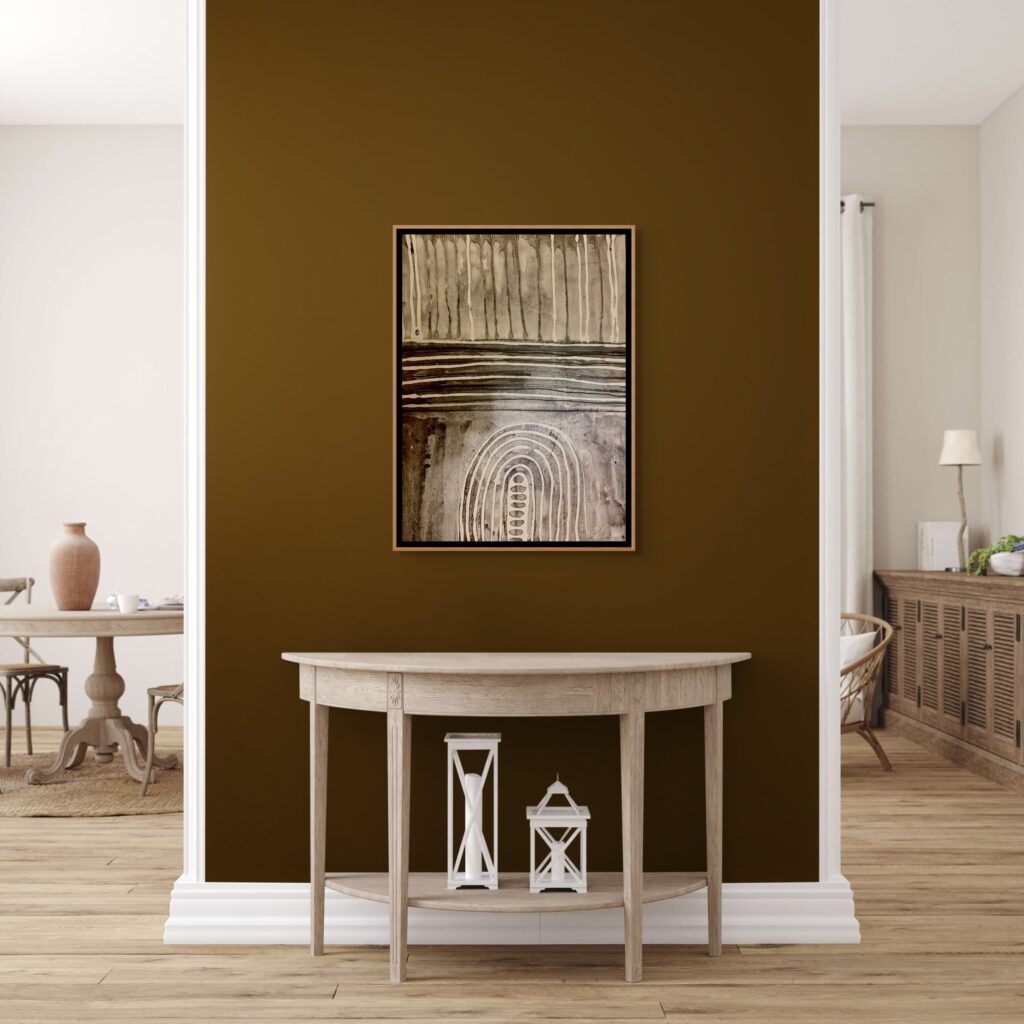
Working with natural pigments and traditional methods, their art is less about expression and more about observation.


How have different places shaped your artistic perspective?

My life has unfolded across Malaysia, Indonesia, and Canada, and each place has influenced how I see the world.

In Southeast Asia, I was surrounded by textile traditions, Indigenous craft, and rich visual patterns found in both culture and nature. Later, Canada introduced a quieter, more expansive landscape that encouraged slower observation.

Each environment taught me something different — together, they shaped the way I approach form, texture, and rhythm in my work.


What role do traditional materials and natural pigments play in your process?

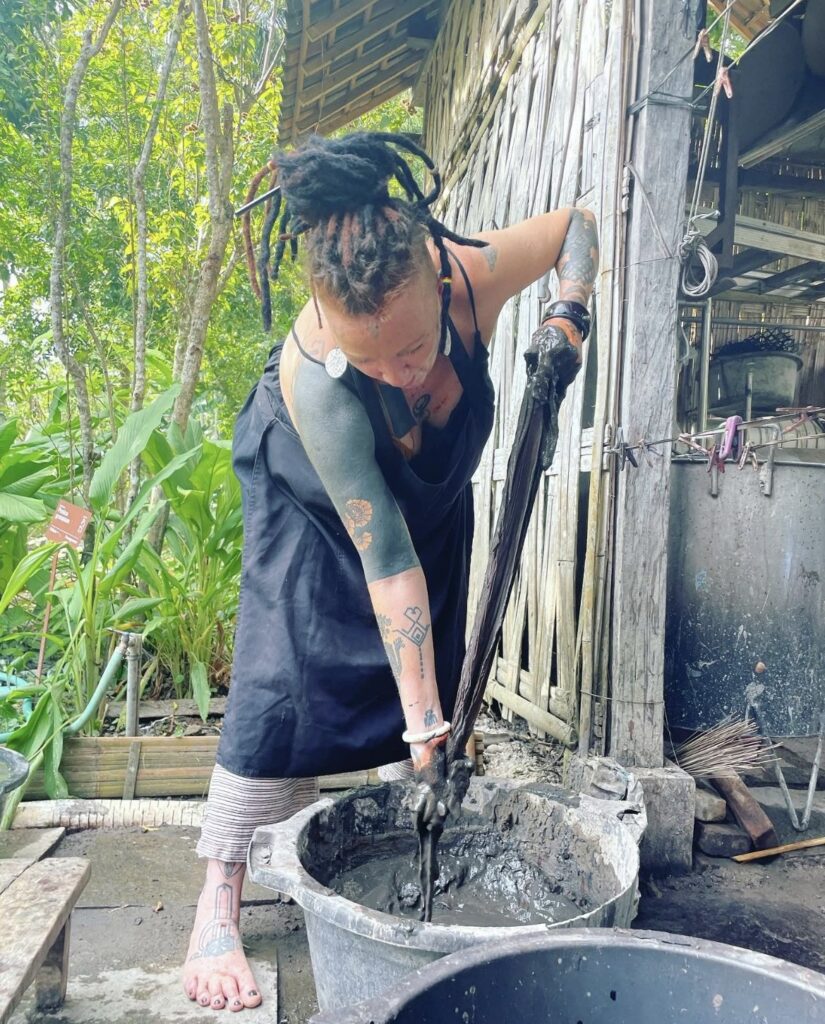
Working with natural pigments is central to my practice.

A turning point came while living in Ubud, Bali, where I studied natural dye techniques. That experience taught me patience and an appreciation for subtle, unpredictable results.

Even today, I continue to work with muted tones and handmade processes. It keeps the work grounded and connected to the natural world.


What inspires the patterns and textures in your work?

I see the world through patterns.

They exist everywhere — in landscapes, woven materials, cultural artifacts, and everyday natural forms. From forest canopies to handmade textiles, these rhythms continue to influence my compositions.

Rather than using bold colour, I focus on structure, repetition, and texture. The intention is to highlight details that are often overlooked.


What drives your approach to creating art today?

My work is guided by a desire to create slowly and intentionally.

In a fast-moving world, I believe there is value in slowing down — in working with care, with respect for materials, and with awareness of process.

I am also motivated by a need to honour traditional craft practices and the cultures that have influenced my journey.


What do you hope viewers take away from your work?

I hope the work invites people to pause.

To look more closely.
To notice subtle details.
To reconnect with the natural world.

For me, art is not about making something loud — it is about revealing something quiet.